



You will not be allowed to compare more than 4 products at a time
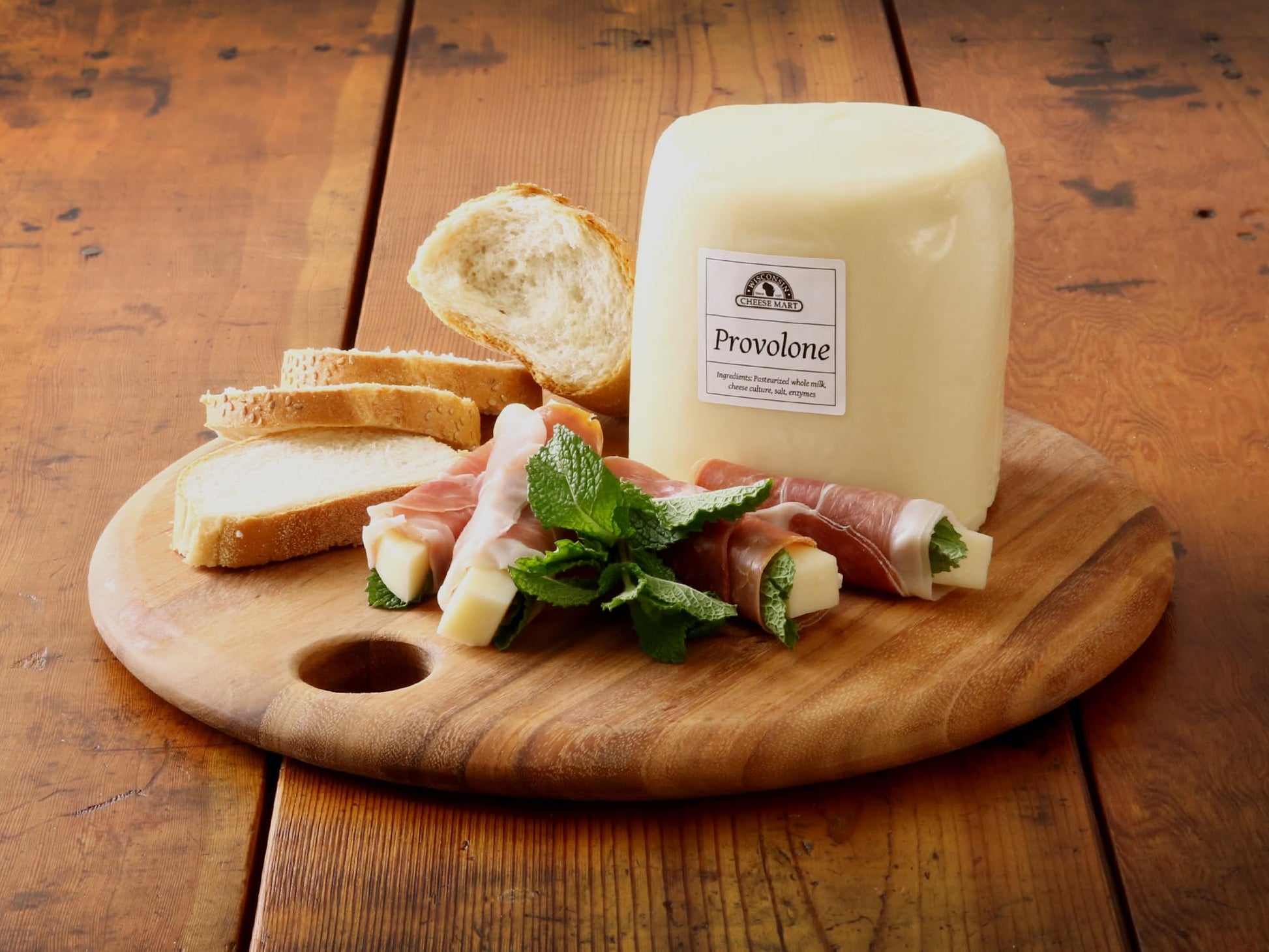
View compareProvolone Cheese 2.75 Lb Loaf
Provolone Cheese 2.75 Lb Loaf
Out of stock
Regular price
$52.30
Sale price
$52.30
Regular price
$52.30
Unit price
per
Shipping calculated at checkout.
Sold by GroceryeShop — Fresh & quality products, delivered in USA.
Returns accepted within 30 days | support@groceryeshop.us
Shipping Information
- Free Standard Shipping — United States only
- Processing Time: 3–5 business days
- Estimated Delivery: 6–10 business days after dispatch
- Securely packed to ensure your purchase arrives in perfect condition
- Tracking number sent via email once dispatched
- Orders over $250 require signature upon delivery. Taxes calculated at checkout.
Returns & Refund
Returns accepted within 30 days of delivery.
Damaged or Defective Item
Free return shipping + replacement or full refund
Wrong Item Received
Free return shipping + replacement or full refund
Change of Mind
Return shipping at customer's expense · Item must be unused & in original packaging
All returns require a Return Authorization (RA) number before sending.
View Full Return & Refund Policy
Safety & Compliance
⚠️
California Proposition 65 Warning
Some products sold on this website may expose you to chemicals known to the State of California to cause cancer, birth defects, or other reproductive harm.
www.P65Warnings.ca.gov
🛒
General Product Safety Advisory
Always read the product label, instructions, and safety warnings before use. Do not use damaged or modified products. Store products in appropriate conditions as specified by the manufacturer.
Keep all products out of reach of children unless specifically designed for their use.
ℹ️
Product Authenticity & Notice
All products sold by GroceryeShop are 100% authentic, sourced directly from trusted suppliers across the USA. Product weights and packaging may vary slightly from images due to seasonal availability and supplier updates.
GroceryeShop — Fresh, Quality Groceries Delivered Nationwide.
Couldn't load pickup availability
Guarantee safe and secure checkout

Product Description
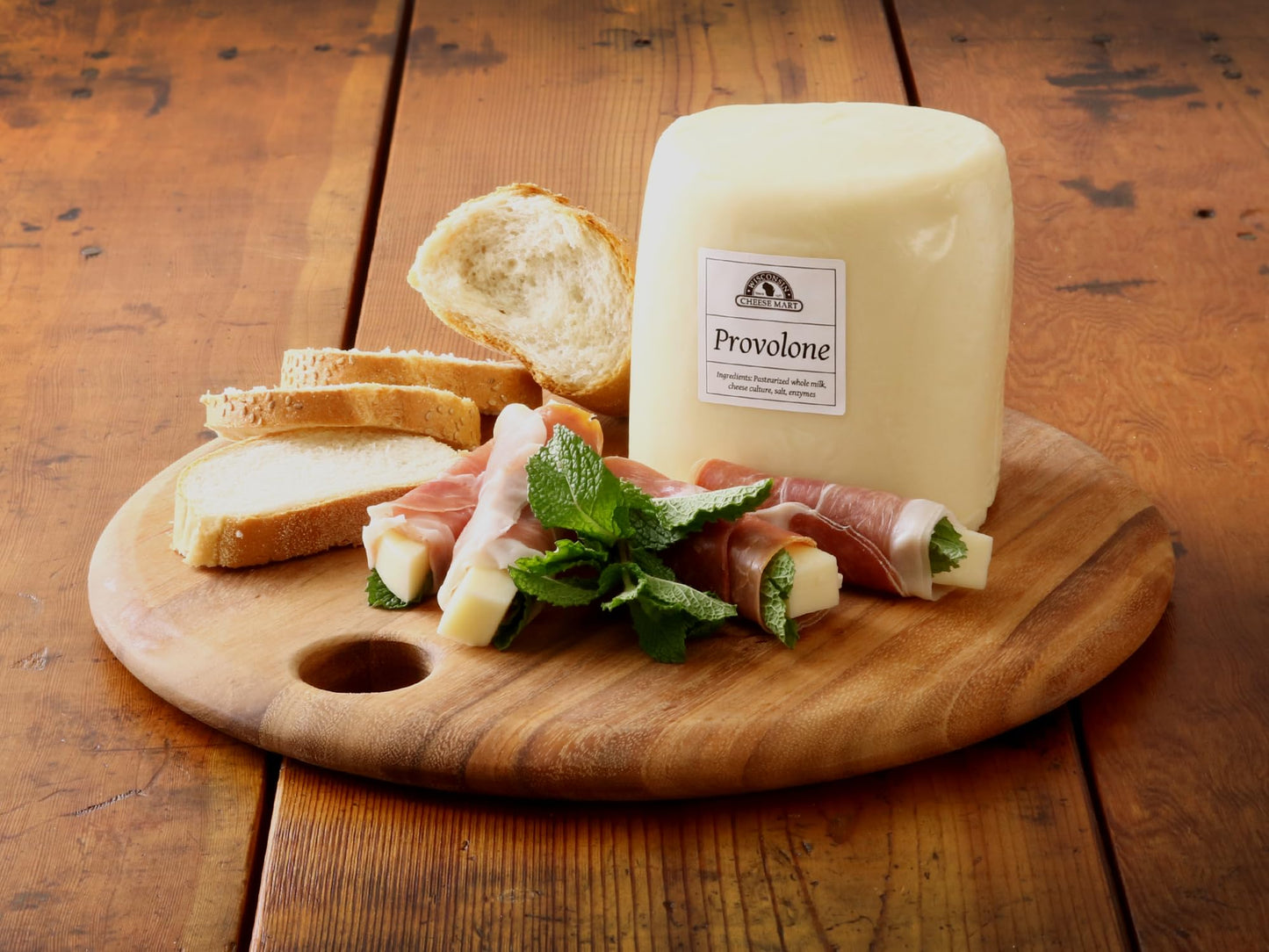
Provolone Cheese Is Closely Related To Mozzarella Cheese In Both Technique And Flavor. Early Wisconsin Cheesemakers Originally Used Ropes To Hang And Cure Provolone Cheese. The Ropes Made It Easy For Cheesemakers To Then Transport The Provolone Cheese By Horseback. This Wisconsin Provolone Is Crafted Using Fresh, Local Cow'S Milk, Brined, And Hung To Age In Special State-Of-The-Art Curing Rooms. Younger Provolone Cheese Is Mild, Buttery, And Slightly Piquant. More Aged Provolone Cheese Has An Irresistibly Sharp Flavor. Provolone Cheese Makes A Delicious Sandwich, Goes Great On A Beef Roast, Or Melted On Top Of Cauliflower.
Frequently Asked Questions
- Q: What is the size of the Provolone cheese loaf? A: The Provolone cheese loaf weighs two point seventy-five pounds. This size is ideal for sharing or for use in multiple recipes.
- Q: What ingredients are used in Provolone cheese? A: Provolone cheese is made from fresh, local cow's milk. It is brined and aged to develop its unique flavor profile.
- Q: How is Provolone cheese made? A: Provolone cheese is crafted using a special process that involves hanging and curing the cheese. This technique enhances its flavor and texture.
- Q: How can I use Provolone cheese? A: You can use Provolone cheese in sandwiches, melted on dishes like cauliflower, or as a topping for beef roasts. Its versatility makes it a great addition to many meals.
- Q: Is Provolone cheese suitable for melting? A: Yes, Provolone cheese melts well. Its creamy texture enhances dishes when used in cooking or baking.
- Q: What flavors does Provolone cheese have? A: Provolone cheese offers a mild, buttery flavor when younger and an irresistibly sharp taste when aged. This makes it suitable for various culinary applications.
- Q: How should I store Provolone cheese? A: Store Provolone cheese in the refrigerator, ideally wrapped in wax paper or plastic wrap to maintain freshness. This helps prevent drying out.
- Q: What is the shelf life of Provolone cheese? A: When stored properly, Provolone cheese can last several weeks in the refrigerator. Always check for signs of spoilage before use.
- Q: Can I freeze Provolone cheese? A: Yes, you can freeze Provolone cheese. However, freezing may change its texture, so it's best used for cooking after thawing.
- Q: Is Provolone cheese safe for those with lactose intolerance? A: Provolone cheese may be tolerable for some people with lactose intolerance due to its aging process. Always consult with a healthcare professional if unsure.
- Q: How does Provolone compare to mozzarella? A: While both cheeses are similar, Provolone has a sharper flavor and firmer texture than mozzarella. This makes it suitable for different culinary uses.
- Q: Is Provolone cheese suitable for sandwiches? A: Yes, Provolone cheese is an excellent choice for sandwiches. Its mild flavor complements various ingredients well.
- Q: What types of dishes can I make with Provolone cheese? A: You can create a variety of dishes with Provolone cheese, including pasta bakes, cheese boards, and sandwiches. Its versatility enhances many recipes.
- Q: What should I do if Provolone cheese arrives damaged? A: If your Provolone cheese arrives damaged, contact customer service immediately for assistance with returns or replacements.
- Q: Does Provolone cheese contain any allergens? A: Provolone cheese is made from milk, which is a common allergen. Always check for potential cross-contamination if you have allergies.