


You will not be allowed to compare more than 4 products at a time
View compareFood to Live Organic Soybeans, 12 Ounces - Dry Soy Beans, Pure and Natural, Nutritious Snack, High-Protein, Perfect for Soy Milk
Food to Live Organic Soybeans, 12 Ounces - Dry Soy Beans, Pure and Natural, Nutritious Snack, High-Protein, Perfect for Soy Milk
Out of stock
Regular price
$13.26
Sale price
$13.26
Regular price
$18.94
Unit price
per
Shipping calculated at checkout.
Sold by Groceryeshop, an authorized reseller.
Shipping Information
- Free Standard Shipping — United States only
- Processing Time: 1–3 business days
- Estimated Delivery: 3–5 business days after dispatch
- Securely packed to ensure your purchase arrives in perfect condition
- Tracking number sent via email once dispatched
- Orders over $250 require signature upon delivery. Taxes calculated at checkout.
Returns & Refund
Returns accepted within 30 days of delivery.
Damaged or Defective Item
Free return shipping + replacement or full refund
Wrong Item Received
Free return shipping + replacement or full refund
Change of Mind
Return shipping at customer's expense · Item must be unused & in original packaging
All returns require a Return Authorization (RA) number before sending.
View Full Return & Refund Policy
Safety & Compliance
⚠️
California Proposition 65 Warning
Some products sold on this website may expose you to chemicals known to the State of California to cause cancer, birth defects, or other reproductive harm.
www.P65Warnings.ca.gov
🛒
General Product Safety Advisory
Always read the product label, instructions, and safety warnings before use. Do not use damaged or modified products. Store products in appropriate conditions as specified by the manufacturer.
Keep all products out of reach of children unless specifically designed for their use.
ℹ️
Product Authenticity & Notice
All products sold by GroceryeShop are 100% authentic, sourced directly from trusted suppliers across the USA. Product weights and packaging may vary slightly from images due to seasonal availability and supplier updates.
GroceryeShop — Fresh, Quality Groceries Delivered Nationwide.
Couldn't load pickup availability
Guarantee safe and secure checkout
Safety & Compliance
Safety & Compliance
⚠️ WARNING (California Proposition 65):
This product may contain chemicals known to the State of California to cause cancer, birth defects, or other reproductive harm.
For more information, please visit www.P65Warnings.ca.gov.


Product Description
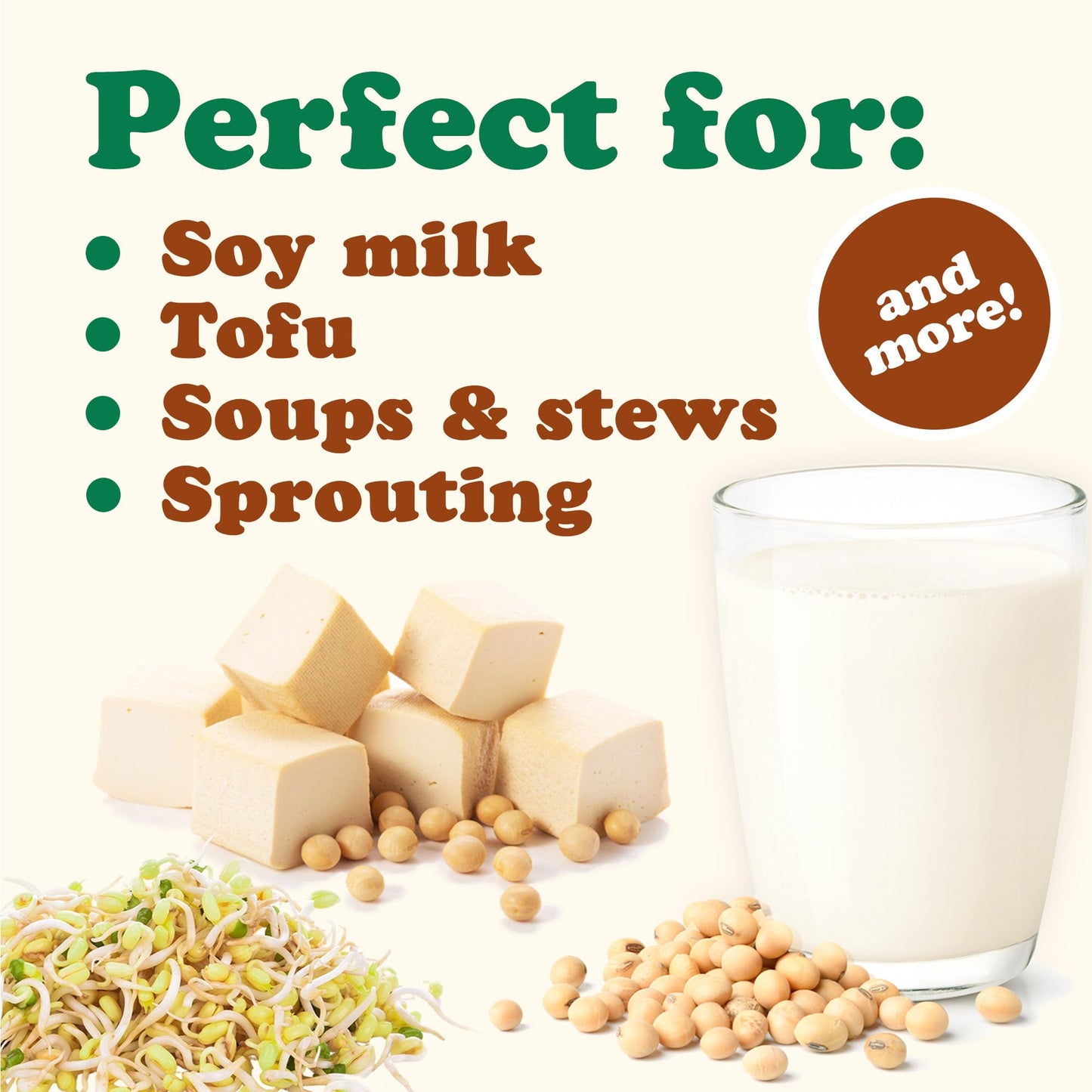
Organic Soybeans are a versatile pantry staple, valued for their nutty flavor and firm texture. These whole beans are carefully sourced and packaged to deliver a simple, plant-based ingredient suitable for a wide range of culinary uses. Naturally rich in plant protein and fiber, they can be a satisfying component in both traditional and contemporary recipes. Once cooked, soybeans hold their shape well, making them ideal for dishes that require a hearty base. Their mild flavor absorbs seasonings easily, complementing both savory and mildly sweet profiles. Whether used as a main ingredient or as an addition to meals, these beans offer flexibility in the kitchen without overpowering other ingredients. Incorporate them into homemade veggie burgers, bean salads, or casseroles. Blend into soups, stews, or slow-cooked chili for extra texture and depth. They can also be lightly roasted and seasoned for a crunchy snack or blended into pastes and spreads for dips and sauces. For a creative twist, try sprouting them before cooking or grinding into flour for baking. To prepare, rinse and soak the beans before cooking, then boil until tender. Store cooked beans in the refrigerator and use within a few days. Keep the dry beans in an airtight container in a cool, dry place to maintain freshness. Whether youre preparing everyday meals or experimenting with new recipes, these soybeans provide a practical and adaptable ingredient for your kitchen.