


You will not be allowed to compare more than 4 products at a time
View compareFood To Live - Adzuki Beans, 20 Pounds Whole Dried Azuki Beans (Red Mung Beans), Raw, Vegan, Kosher, Sproutable, Bulk. Rich In M
Food To Live - Adzuki Beans, 20 Pounds Whole Dried Azuki Beans (Red Mung Beans), Raw, Vegan, Kosher, Sproutable, Bulk. Rich In M
Hurry! Only left 10 in stock
Regular price
$111.10
Sale price
$111.10
Regular price
$158.71
Unit price
per
Shipping calculated at checkout.
Sold by Groceryeshop, an authorized reseller.
Shipping Information
- Free Standard Shipping — United States only
- Processing Time: 1–3 business days
- Estimated Delivery: 3–5 business days after dispatch
- Securely packed to ensure your purchase arrives in perfect condition
- Tracking number sent via email once dispatched
- Orders over $250 require signature upon delivery. Taxes calculated at checkout.
Returns & Refund
Returns accepted within 30 days of delivery.
Damaged or Defective Item
Free return shipping + replacement or full refund
Wrong Item Received
Free return shipping + replacement or full refund
Change of Mind
Return shipping at customer's expense · Item must be unused & in original packaging
All returns require a Return Authorization (RA) number before sending.
View Full Return & Refund Policy
Safety & Compliance
⚠️
California Proposition 65 Warning
Some products sold on this website may expose you to chemicals known to the State of California to cause cancer, birth defects, or other reproductive harm.
www.P65Warnings.ca.gov
🛒
General Product Safety Advisory
Always read the product label, instructions, and safety warnings before use. Do not use damaged or modified products. Store products in appropriate conditions as specified by the manufacturer.
Keep all products out of reach of children unless specifically designed for their use.
ℹ️
Product Authenticity & Notice
All products sold by GroceryeShop are 100% authentic, sourced directly from trusted suppliers across the USA. Product weights and packaging may vary slightly from images due to seasonal availability and supplier updates.
GroceryeShop — Fresh, Quality Groceries Delivered Nationwide.
Couldn't load pickup availability
Guarantee safe and secure checkout
Safety & Compliance
Safety & Compliance
⚠️ WARNING (California Proposition 65):
This product may contain chemicals known to the State of California to cause cancer, birth defects, or other reproductive harm.
For more information, please visit www.P65Warnings.ca.gov.


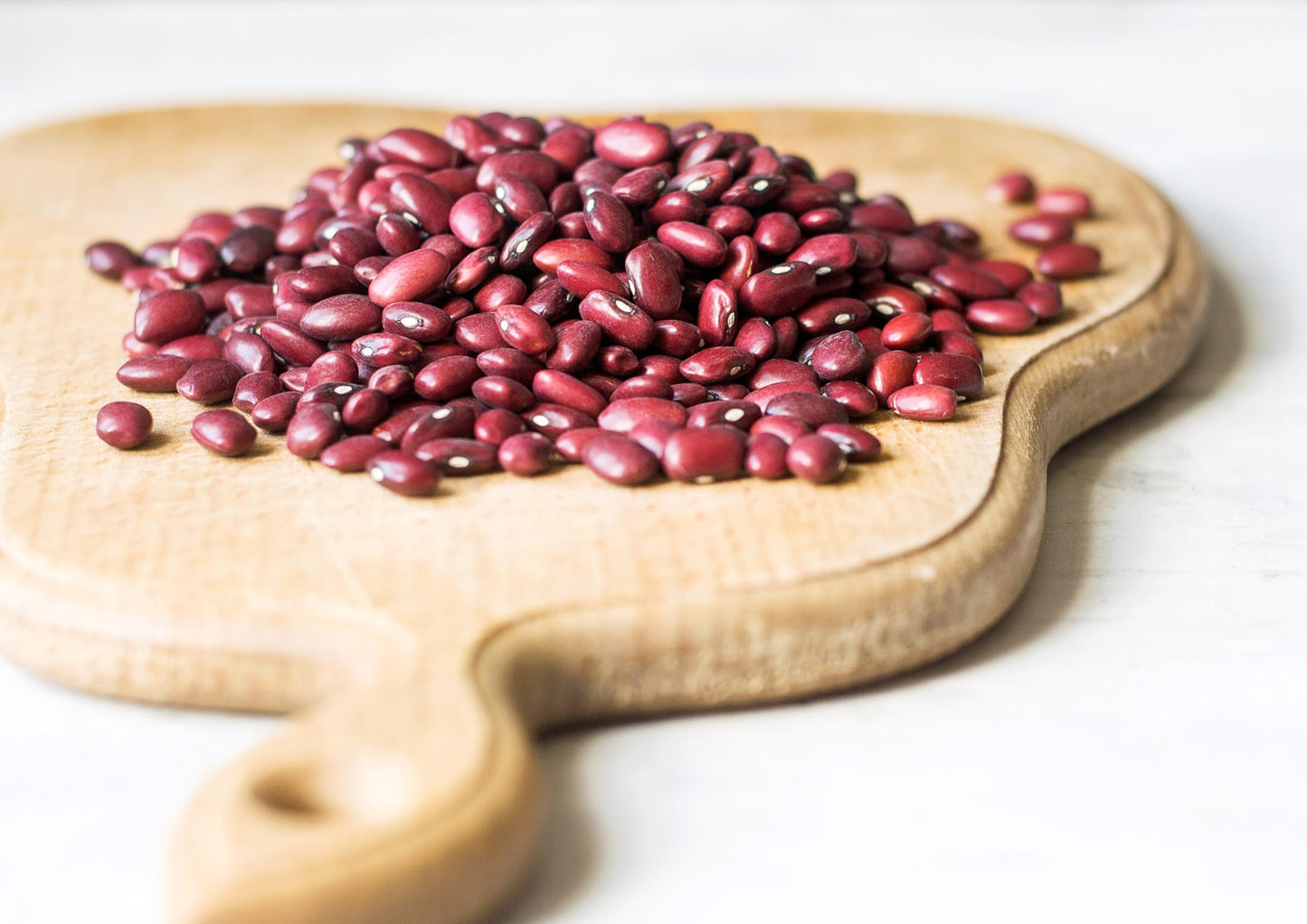
Product Description
Raw Beans, Vegan, Kosher | High Sproutaing Ratio | A Great Source Of Magnesium, Zinc, Iron, Copper, Manganese Potassium, Fiber, And B Vitamins, Such As Niacin, Thiamin And Riboflavin | Amazing Little Beans That Provide Great Benefits
Frequently Asked Questions
- Q: What are Adzuki beans made of? A: Adzuki beans are whole dried beans, specifically red mung beans. They are raw, vegan, and kosher, making them a versatile ingredient.
- Q: How much do the Adzuki beans weigh? A: The Adzuki beans come in a package that weighs twenty pounds, or three hundred twenty ounces, which is ideal for bulk use.
- Q: What vitamins and minerals do Adzuki beans contain? A: Adzuki beans are a great source of magnesium, zinc, iron, copper, manganese, potassium, dietary fiber, and B vitamins such as niacin and thiamin.
- Q: How do I cook Adzuki beans? A: To cook Adzuki beans, soak them in water for several hours, then boil them for about thirty minutes until tender. They can be added to soups, salads, or stir-fries.
- Q: Are Adzuki beans suitable for a vegan diet? A: Yes, Adzuki beans are completely plant-based and are an excellent source of protein for those following a vegan diet.
- Q: Can I sprout Adzuki beans? A: Yes, Adzuki beans have a high sprouting ratio, making them perfect for sprouting at home to enhance their nutritional profile.
- Q: How should I store Adzuki beans? A: Store Adzuki beans in a cool, dry place in an airtight container to maintain their freshness and prevent moisture absorption.
- Q: What is the shelf life of Adzuki beans? A: When stored properly, Adzuki beans can last for several years, maintaining their quality and nutritional value.
- Q: Are Adzuki beans gluten-free? A: Yes, Adzuki beans are naturally gluten-free, making them a safe choice for individuals with gluten sensitivities or celiac disease.
- Q: How do Adzuki beans compare to other beans in nutrients? A: Adzuki beans are particularly rich in fiber and B vitamins compared to other beans, making them a nutrient-dense option.
- Q: Can I substitute Adzuki beans for other beans in recipes? A: Yes, Adzuki beans can often be used as a substitute for pinto or black beans in various recipes, providing a unique flavor.
- Q: What do I do if my Adzuki beans arrive damaged? A: If your Adzuki beans arrive damaged, contact the seller immediately for a replacement or refund according to their return policy.
- Q: Is there a warranty on Adzuki beans? A: Typically, food products like Adzuki beans do not come with a warranty, but customer satisfaction guarantees may apply.
- Q: What should I do if I experience issues with cooking Adzuki beans? A: If you encounter issues, such as beans not softening, ensure they have been soaked properly and cooked long enough.
- Q: Can I find recipes specifically for Adzuki beans? A: Yes, there are numerous recipes available online that focus on Adzuki beans, including soups, stews, and salads.
- Q: Are there any allergens associated with Adzuki beans? A: Adzuki beans are generally considered safe, but it's always best to check for potential allergies if you have sensitivities to legumes.