

The supplement aisle is full of promises. Ashwagandha is one of the few that has real science behind it.
If you've been Googling natural ways to take the edge off anxiety, you've almost certainly landed on ashwagandha. It shows up everywhere — wellness blogs, Reddit threads, your coworker who swears by it. But most of what's written about it either oversells it as a cure-all or dismisses it as another herbal fad. Neither is accurate, and neither helps you decide whether it's actually worth trying.
Here's what the research genuinely supports, what it doesn't, and how to use ashwagandha in a way that gives it a fair shot.
What Ashwagandha Actually Is
Ashwagandha (Withania somnifera) is a root used in Ayurvedic medicine for centuries, primarily as an adaptogen — a substance that's thought to help the body manage stress more effectively. The active compounds most studied are withanolides, a group of naturally occurring steroids found in the root and leaves.
The adaptogen label matters here. Ashwagandha isn't a sedative. It doesn't knock you out or dull your focus. The mechanism researchers focus on is its effect on the hypothalamic-pituitary-adrenal (HPA) axis — essentially the system your body uses to regulate cortisol, the hormone most associated with chronic stress. When that system is chronically overactivated, you feel wired, anxious, and exhausted at the same time. Ashwagandha appears to help modulate that response.
What the Research Actually Shows
Several randomized, double-blind, placebo-controlled trials — the gold standard in clinical research — have looked at ashwagandha and stress or anxiety outcomes. The results are genuinely encouraging, not just statistically significant but meaningfully so in terms of how participants reported feeling.
Key findings from published studies include reductions in self-reported stress and anxiety scores, lower morning cortisol levels in participants taking ashwagandha compared to placebo groups, and improvements in sleep quality — which is closely tied to anxiety for most people. These effects generally appeared after consistent daily use over several weeks, not overnight.
It's worth being honest about the limitations too. Most studies have been relatively small and short in duration. Ashwagandha isn't a replacement for therapy or prescribed medication for clinical anxiety disorders. If you're dealing with serious anxiety, it belongs in your toolkit alongside professional support, not instead of it.
Dosage and Timing: The Questions Everyone Has
The studies that showed meaningful results typically used standardized root extract, and doses in the research have generally ranged from around 300 mg to 600 mg daily. Some studies split this across two doses; others used a single daily dose. The most consistent finding is that consistency matters more than timing — taking it at the same time each day, with food, and sticking with it for at least four to eight weeks is what the research supports.
Morning or evening? There's no definitive answer, but if sleep quality is your main concern, many people find an evening dose useful since ashwagandha's calming effect pairs well with winding down. If daytime stress is the issue, a morning dose makes more practical sense.
One thing to watch: ashwagandha is generally well-tolerated, but it can cause digestive discomfort on an empty stomach. Take it with a meal.
Where It Fits in a Broader Wellness Routine
Ashwagandha works best as part of a routine that already supports your nervous system — not as a standalone fix for a lifestyle that's running on fumes. Sleep, movement, and even scent can all play a supporting role in how your body handles stress day to day.
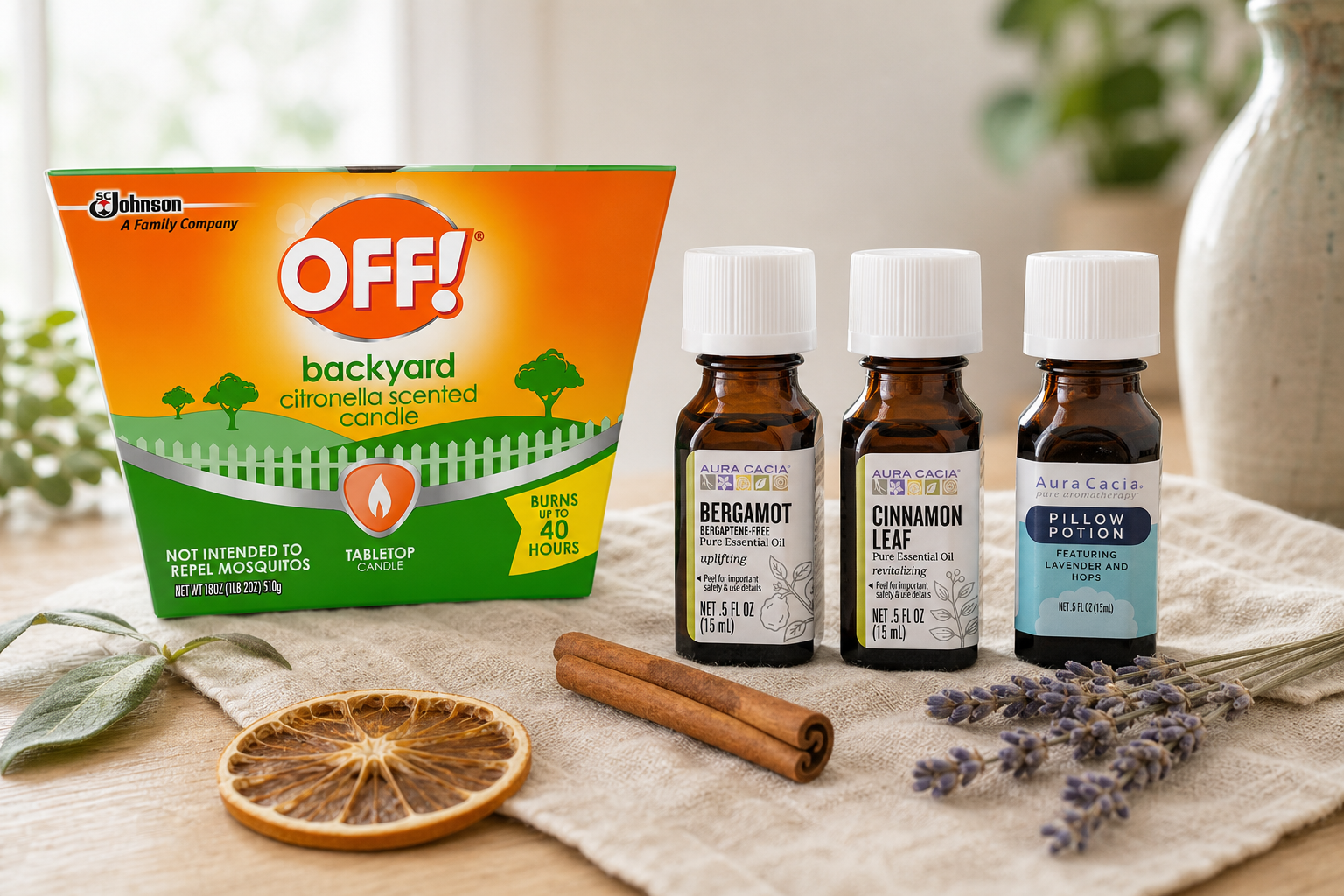
That's where products like the Aura Cacia, Essential Oil Pillow Potion, 0.5 Fl Oz — which features lavender and hops — come in. It's not a supplement, but the ritual of a calming scent before bed is a legitimate part of sleep hygiene, and better sleep directly affects how your stress response functions the next day. Similarly, the Aura Cacia 100% Pure Bergaptene-Free Bergamot Essential Oil is an uplifting option that many people use in a diffuser during the day as part of a stress-management routine. Bergamot's bright, citrusy scent has been studied in aromatherapy contexts for mood support, though it works through a different pathway than an adaptogen like ashwagandha.
The Aura Cacia Cinnamon Leaf Essential Oil, described as revitalizing, is another option worth having on hand — a grounding, warming scent that pairs well with moments of intentional pause during a stressful day. And if you're spending more time outdoors as part of managing stress (fresh air and movement genuinely help), the Off! Citronella Bucket, 18 Oz. (1 Ct) is a practical tabletop candle that burns up to 40 hours, keeping your outdoor space comfortable so you can actually use it.
None of these replace ashwagandha, and ashwagandha doesn't replace the basics. But a well-rounded approach — consistent supplementation, good sleep hygiene, and small daily rituals that signal to your nervous system that it's safe to relax — tends to outperform any single product used in isolation.
Is Ashwagandha Right for You?
It's worth trying if you're dealing with everyday stress and anxiety that feels chronic but manageable — the kind that makes you tense, disrupts your sleep, and follows you into the weekend. It's not the right first call for acute anxiety attacks, panic disorder, or anxiety that's significantly affecting your ability to function. In those cases, please talk to a doctor first.
Also worth knowing: ashwagandha is generally not recommended during pregnancy, and it belongs to the nightshade family, so if you have a known nightshade sensitivity, check with your healthcare provider before starting it.
For most healthy adults dealing with the low-grade, background hum of modern stress, the evidence is solid enough to warrant a genuine trial. Give it at least a month of consistent use before deciding whether it's working for you.
Ready to build out your wellness routine? Browse best sellers at Groceryeshop — including supplements, essential oils, and household essentials — delivered straight to your door.
Frequently Asked Questions
How long does ashwagandha take to work for anxiety?
Most clinical studies that showed meaningful results ran for at least four to eight weeks of daily use. Some people notice subtle changes in sleep quality or stress response sooner, but it's not a fast-acting supplement. Consistency over time is what the research supports — don't judge it after a few days.
Can I take ashwagandha every day long-term?
Most studies have examined use over periods of a few months, and ashwagandha is generally considered well-tolerated for daily use within that timeframe. For longer-term use, it's a good idea to check in with your healthcare provider, especially if you're taking other medications or have an underlying health condition.
Does ashwagandha make you drowsy during the day?
Ashwagandha isn't a sedative, so most people don't experience daytime drowsiness from it. Its calming effect is more about reducing the overactivation of the stress response than inducing sleep. That said, if you're sensitive to it, starting with a lower dose and taking it in the evening can help you gauge how your body responds.
Can I combine ashwagandha with essential oils or other calming practices?
Absolutely — they work through entirely different mechanisms, so there's no conflict. Ashwagandha works internally over time as an adaptogen, while aromatherapy products like lavender or bergamot essential oils work more immediately through scent and sensory cues. Many people find that layering these approaches — a consistent supplement routine plus calming evening rituals — gives better results than either alone.
