


You will not be allowed to compare more than 4 products at a time
View compareAllulose Sweetener 6 Pounds - Natural Sugar Substitutes, No Aftertaste - Keto Friendly, Vegan, Zero Net Carb, Zero Calorie - Gre
Allulose Sweetener 6 Pounds - Natural Sugar Substitutes, No Aftertaste - Keto Friendly, Vegan, Zero Net Carb, Zero Calorie - Gre
Out of stock
Regular price
$40.78
Sale price
$40.78
Regular price
$58.26
Unit price
per
Shipping calculated at checkout.
Sold by GroceryeShop — Fresh & quality products, delivered in USA.
Returns accepted within 30 days | support@groceryeshop.us
Shipping Information
- Free Standard Shipping — United States only
- Processing Time: 3–5 business days
- Estimated Delivery: 6–10 business days after dispatch
- Securely packed to ensure your purchase arrives in perfect condition
- Tracking number sent via email once dispatched
- Orders over $250 require signature upon delivery. Taxes calculated at checkout.
Returns & Refund
Returns accepted within 30 days of delivery.
Damaged or Defective Item
Free return shipping + replacement or full refund
Wrong Item Received
Free return shipping + replacement or full refund
Change of Mind
Return shipping at customer's expense · Item must be unused & in original packaging
All returns require a Return Authorization (RA) number before sending.
View Full Return & Refund Policy
Safety & Compliance
⚠️
California Proposition 65 Warning
Some products sold on this website may expose you to chemicals known to the State of California to cause cancer, birth defects, or other reproductive harm.
www.P65Warnings.ca.gov
🛒
General Product Safety Advisory
Always read the product label, instructions, and safety warnings before use. Do not use damaged or modified products. Store products in appropriate conditions as specified by the manufacturer.
Keep all products out of reach of children unless specifically designed for their use.
ℹ️
Product Authenticity & Notice
All products sold by GroceryeShop are 100% authentic, sourced directly from trusted suppliers across the USA. Product weights and packaging may vary slightly from images due to seasonal availability and supplier updates.
GroceryeShop — Fresh, Quality Groceries Delivered Nationwide.
Couldn't load pickup availability
Guarantee safe and secure checkout


Product Description
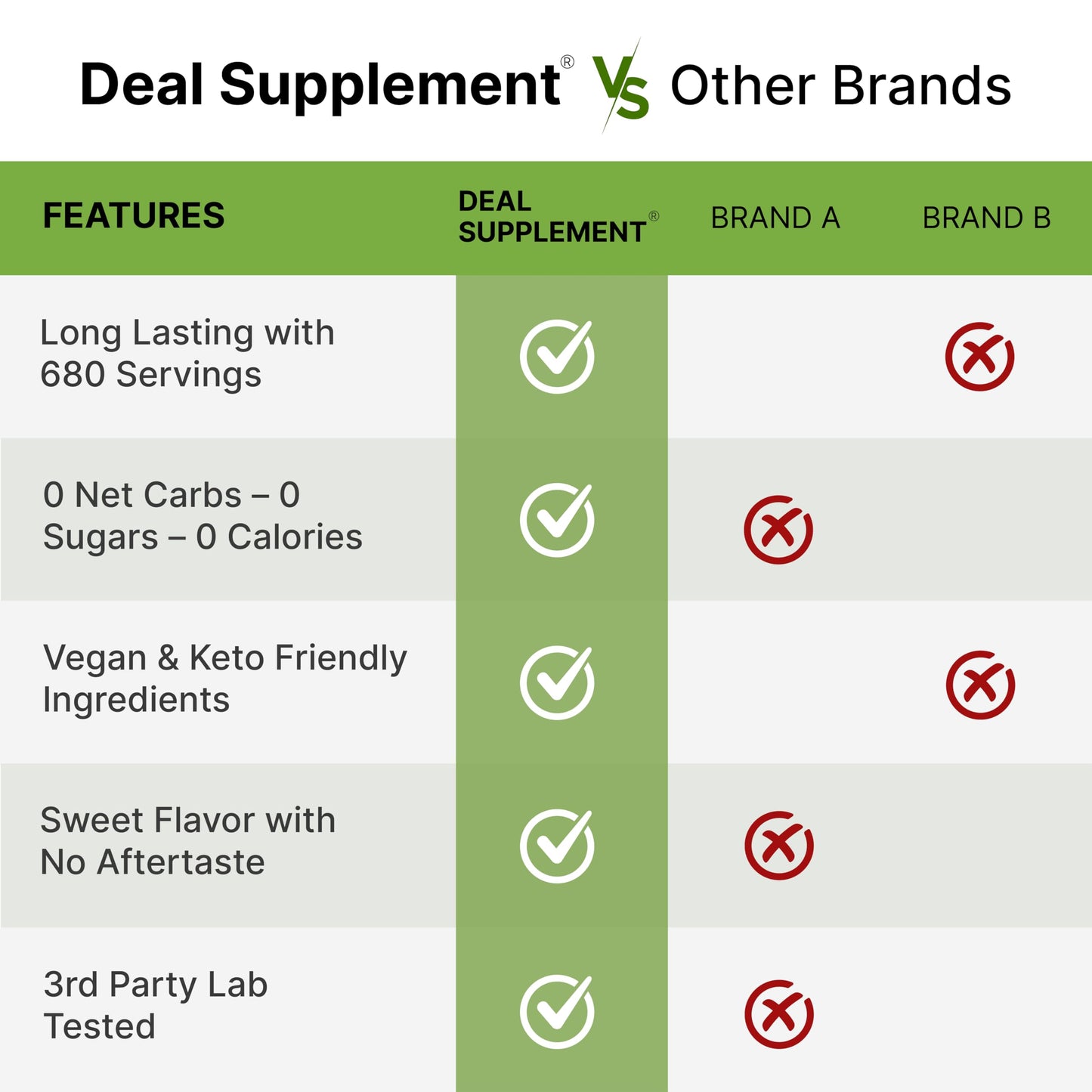
Introducing allulose, the rare natural sweetener thats taking the market by storm. With a history dating back to the 1940s, allulose has been used as a low-calorie sweetener alternative for decades. This unique sugar alternative is derived from natural sources such as fruits and certain types of corn, and its been found to have practically 0 sugar, net carbs, and calories compared to regular table sugar. Allulose is also not fully metabolized by the body, which means it wont spike sugar glucose levels while providing the same sweet taste.
Frequently Asked Questions
- Q: What is this allulose sweetener made of? A: This allulose sweetener is made from natural sources like fruits and certain types of corn. It is a pure and filler-free sugar substitute.
- Q: How much does the allulose sweetener weigh? A: The allulose sweetener weighs six pounds. This bulk supply provides ample servings for various cooking and baking needs.
- Q: What are the nutritional facts of allulose? A: Allulose has zero sugar, zero net carbs, and zero calories. It is a low-calorie sweetener that does not spike glucose levels.
- Q: How do I use allulose sweetener in cooking? A: You can use allulose sweetener just like regular sugar in cooking and baking. It dissolves easily in beverages and can sweeten your favorite recipes.
- Q: Is allulose suitable for keto diets? A: Yes, allulose is keto friendly. It has no net carbs, making it an ideal sugar substitute for those on low-carb diets.
- Q: Can I use allulose in beverages? A: Yes, you can add allulose to beverages. It works well in coffee, smoothies, teas, and other drinks, providing sweetness without calories.
- Q: How should I store allulose sweetener? A: Store allulose sweetener in a cool, dry place. Ensure the container is tightly sealed to maintain its quality and freshness.
- Q: Does allulose have any allergens? A: No, allulose is free from common allergens. It contains no gluten, dairy, eggs, peanuts, soy, wheat, yeast, or tree nuts.
- Q: What is the shelf-life of allulose sweetener? A: Allulose has a long shelf-life when stored properly. It can last for several months to a year, depending on storage conditions.
- Q: Is allulose safe for children? A: Yes, allulose is generally safe for children. However, it's always best to consult a pediatrician before introducing new sweeteners to their diet.
- Q: How does allulose compare to regular sugar? A: Allulose has zero calories and zero sugar compared to regular sugar, which has calories and can impact blood sugar levels. It provides similar sweetness without the drawbacks.
- Q: Can I use allulose for baking desserts? A: Yes, allulose can be used for baking desserts. It bakes and cooks like real sugar, providing sweetness without aftertaste.
- Q: What if my allulose sweetener arrives damaged? A: If your allulose sweetener arrives damaged, contact the retailer for a replacement or refund. Keep the packaging as proof of damage.
- Q: Is allulose vegan-friendly? A: Yes, allulose is vegan-friendly. It is derived from natural plant sources and contains no animal products.
- Q: How do I measure allulose for recipes? A: Use a scoop to measure allulose sweetener, with each scoop providing four grams. Adjust according to your recipe's sweetness needs.