


You will not be allowed to compare more than 4 products at a time
View compareCertified Glyphosate Residue Free Rye Berries | Washington State Grown | 4 Lbs | Non-Gmo | Clear Creek Foods
Certified Glyphosate Residue Free Rye Berries | Washington State Grown | 4 Lbs | Non-Gmo | Clear Creek Foods
Out of stock
Regular price
$26.25
Sale price
$26.25
Regular price
$37.50
Unit price
per
Shipping calculated at checkout.
Sold by GroceryeShop — Fresh & quality products, delivered in USA.
Returns accepted within 30 days | support@groceryeshop.us
Shipping Information
- Free Standard Shipping — United States only
- Processing Time: 3–5 business days
- Estimated Delivery: 6–10 business days after dispatch
- Securely packed to ensure your purchase arrives in perfect condition
- Tracking number sent via email once dispatched
- Orders over $250 require signature upon delivery. Taxes calculated at checkout.
Returns & Refund
Returns accepted within 30 days of delivery.
Damaged or Defective Item
Free return shipping + replacement or full refund
Wrong Item Received
Free return shipping + replacement or full refund
Change of Mind
Return shipping at customer's expense · Item must be unused & in original packaging
All returns require a Return Authorization (RA) number before sending.
View Full Return & Refund Policy
Safety & Compliance
⚠️
California Proposition 65 Warning
Some products sold on this website may expose you to chemicals known to the State of California to cause cancer, birth defects, or other reproductive harm.
www.P65Warnings.ca.gov
🛒
General Product Safety Advisory
Always read the product label, instructions, and safety warnings before use. Do not use damaged or modified products. Store products in appropriate conditions as specified by the manufacturer.
Keep all products out of reach of children unless specifically designed for their use.
ℹ️
Product Authenticity & Notice
All products sold by GroceryeShop are 100% authentic, sourced directly from trusted suppliers across the USA. Product weights and packaging may vary slightly from images due to seasonal availability and supplier updates.
GroceryeShop — Fresh, Quality Groceries Delivered Nationwide.
Couldn't load pickup availability
Guarantee safe and secure checkout


Product Description
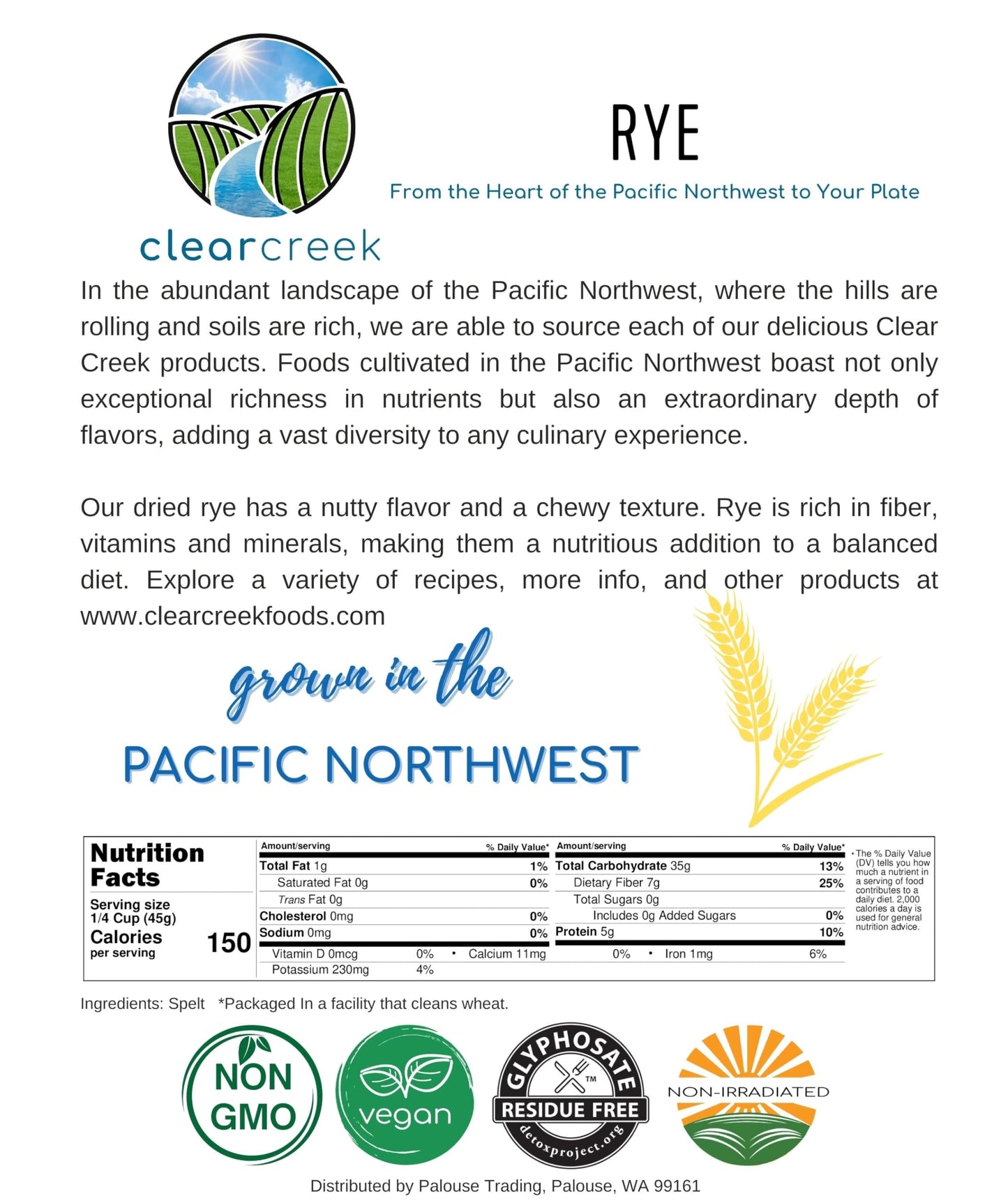
Rye Grain Our Premium Rye Grain Is A Hearty And Flavorful Whole Grain, Known For Its Dense Texture And Slightly Earthy Taste. Packed With Fiber, Vitamins, And Minerals, It Offers Numerous Health Benefits And Is A Great Addition To Any Balanced Diet. Rye Is A Versatile Grain That Can Be Used In A Variety Of Dishes, From Baked Goods To Savory Meals. Intended Uses: Rye Grain Can Be Used To Make A Variety Of Traditional And Modern Recipes. It Is Perfect For Baking Rye Bread, Rolls, And Crackers, Lending A Distinctive Flavor And Texture. Rye Can Also Be Cooked As A Side Dish, Added To Soups And Stews, Or Used In Grain Bowls And Salads. Its Hearty, Rich Flavor Makes It An Excellent Base For Breakfast Porridges Or As A Substitute For Other Grains In Your Favorite Recipes. Whether Youre Baking Or Cooking, Rye Grain Adds A Nutritious And Flavorful Touch To Your Meals!
Frequently Asked Questions
- Q: What are the ingredients in the Certified Glyphosate Residue Free Rye Berries? A: The ingredients consist solely of rye berries. These grains are non-GMO and grown in Washington State, ensuring premium quality.
- Q: How much does the package of rye berries weigh? A: The package contains four pounds of rye berries. This size is ideal for various cooking and baking needs.
- Q: Are the rye berries organic? A: No, the rye berries are not labeled as organic. However, they are certified glyphosate residue free, which ensures minimal chemical exposure.
- Q: How do I cook rye berries? A: To cook rye berries, rinse them, then boil in water for approximately forty to fifty minutes until tender. They can be used in salads, soups, or as a side dish.
- Q: Can I use rye berries for baking bread? A: Yes, rye berries are perfect for baking bread. They lend a distinct flavor and texture, enhancing the overall taste of rye bread.
- Q: What dishes can I make with rye berries? A: You can make various dishes with rye berries, including rye bread, rolls, soups, stews, and grain bowls. They also work well in breakfast porridges.
- Q: How do I store rye berries for long-term use? A: To store rye berries long-term, keep them in an airtight container in a cool, dry place. This method can extend their shelf life significantly.
- Q: What is the shelf life of the rye berries? A: The rye berries have a shelf life of three years when stored properly. In optimal conditions, they can last for decades.
- Q: Are these rye berries gluten-free? A: No, rye berries are not gluten-free. They contain gluten, making them unsuitable for individuals with gluten intolerance or celiac disease.
- Q: Is there a recommended serving size for rye berries? A: A common serving size for rye berries is approximately one quarter cup dry. This amount typically yields about one cup of cooked rye.
- Q: What are the health benefits of rye berries? A: Rye berries are high in fiber, vitamins, and minerals. They support digestive health, help regulate blood sugar levels, and provide essential nutrients.
- Q: How do I know if the rye berries are fresh? A: Fresh rye berries will have a firm texture and a pleasant earthy aroma. Check the packaging for a Best By date to ensure quality.
- Q: Can I use rye berries in salads? A: Yes, rye berries can be used in salads. Their hearty texture adds a nutritious element and pairs well with various ingredients.
- Q: What makes these rye berries different from other grains? A: These rye berries have a unique earthy flavor and dense texture, providing a distinct taste compared to other grains like wheat or rice.
- Q: Where are the rye berries sourced from? A: The rye berries are sourced from Washington State. This region is known for producing high-quality grains with optimal growing conditions.
- Q: What should I do if I receive a damaged package of rye berries? A: If you receive a damaged package, contact the retailer's customer service for replacement or return options. They will assist you with the process.