


You will not be allowed to compare more than 4 products at a time
View compareEastanbul Caraway Seeds 5.6 Oz 100% Natural Carraway Seeds For Cooking, Fresh-Cut Whole Caraway Seed, Aromatic Caraway Seeds For
Eastanbul Caraway Seeds 5.6 Oz 100% Natural Carraway Seeds For Cooking, Fresh-Cut Whole Caraway Seed, Aromatic Caraway Seeds For
Out of stock
Regular price
$13.14
Sale price
$13.14
Regular price
$18.77
Unit price
per
Shipping calculated at checkout.
Sold by GroceryeShop — Fresh & quality products, delivered in USA.
Returns accepted within 30 days | support@groceryeshop.us
Shipping Information
- Free Standard Shipping — United States only
- Processing Time: 3–5 business days
- Estimated Delivery: 6–10 business days after dispatch
- Securely packed to ensure your purchase arrives in perfect condition
- Tracking number sent via email once dispatched
- Orders over $250 require signature upon delivery. Taxes calculated at checkout.
Returns & Refund
Returns accepted within 30 days of delivery.
Damaged or Defective Item
Free return shipping + replacement or full refund
Wrong Item Received
Free return shipping + replacement or full refund
Change of Mind
Return shipping at customer's expense · Item must be unused & in original packaging
All returns require a Return Authorization (RA) number before sending.
View Full Return & Refund Policy
Safety & Compliance
⚠️
California Proposition 65 Warning
Some products sold on this website may expose you to chemicals known to the State of California to cause cancer, birth defects, or other reproductive harm.
www.P65Warnings.ca.gov
🛒
General Product Safety Advisory
Always read the product label, instructions, and safety warnings before use. Do not use damaged or modified products. Store products in appropriate conditions as specified by the manufacturer.
Keep all products out of reach of children unless specifically designed for their use.
ℹ️
Product Authenticity & Notice
All products sold by GroceryeShop are 100% authentic, sourced directly from trusted suppliers across the USA. Product weights and packaging may vary slightly from images due to seasonal availability and supplier updates.
GroceryeShop — Fresh, Quality Groceries Delivered Nationwide.
Couldn't load pickup availability
Guarantee safe and secure checkout


Product Description
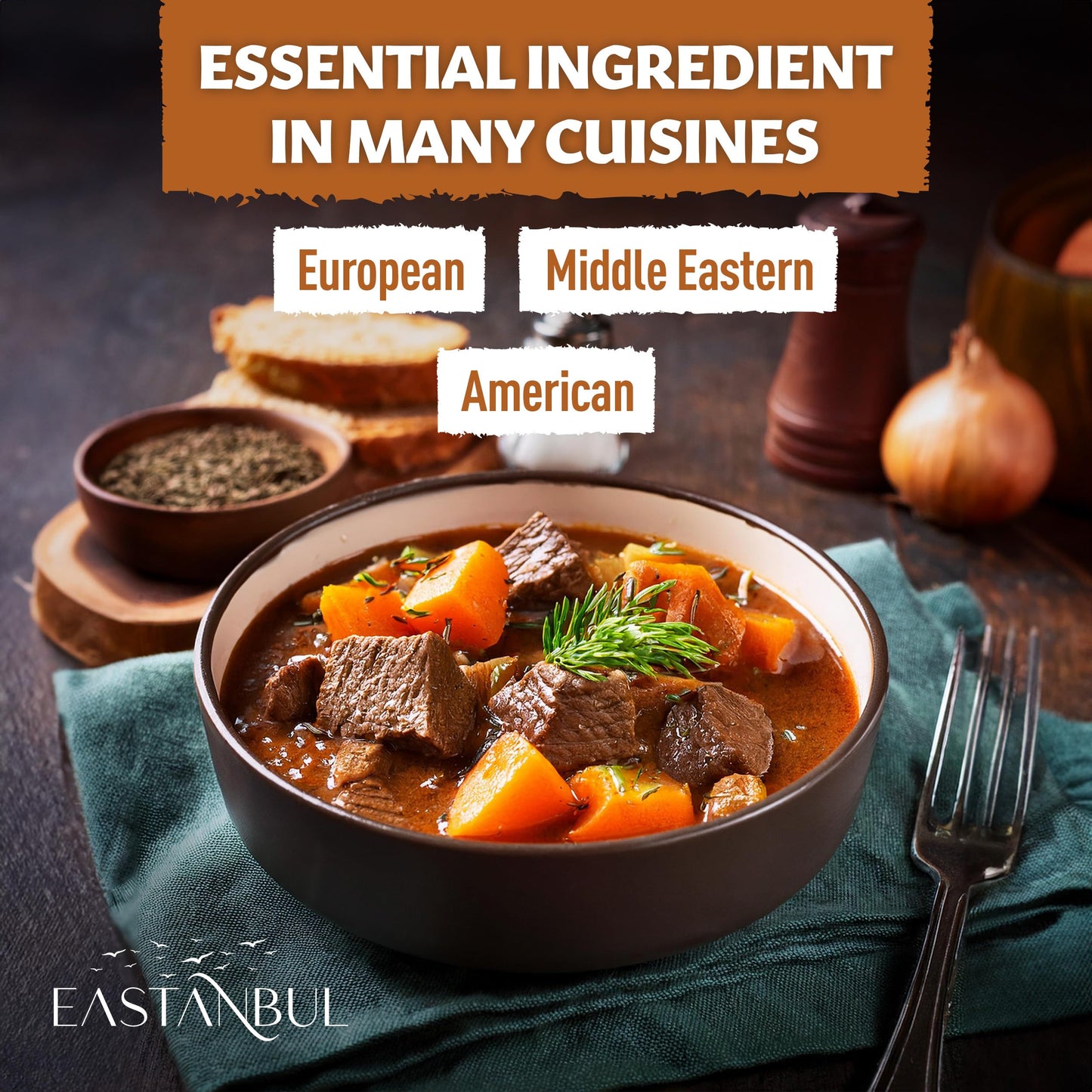
Also Known As: Caraway Seeds, Caraway Seed Origin: Derived From The Carum Carvi Plant, Native To Western Asia Anatolia, Europe, And North Africa. Ingredients: Pure Caraway Seeds, Typically Used Whole But Can Also Be Ground For Various Culinary Applications. Taste And Aroma: Offers A Distinctive Earthy, Anise-Like Flavor With A Hint Of Citrus And Pepper. Uses: Caraway Seeds For Bread Are A Traditional Ingredient, Especially In Rye Bread. Caraway Seeds For Cooking Are Also Used In Soups, Stews, And As A Spice In Meat And Vegetable Dishes. Substitutes: Anise Seeds Or Fennel Seeds Can Be Used As Substitutes, Providing A Similar Licorice-Like Flavor. Fun Fact: Caraway Seeds Have Been Used In Cooking And Medicine For Thousands Of Years, Dating Back To Ancient Rome.
Frequently Asked Questions
- Q: What are the ingredients in Eastanbul Caraway Seeds? A: The only ingredient is pure caraway seeds. They are typically used whole but can also be ground for various culinary applications.
- Q: How much does Eastanbul Caraway Seeds weigh? A: Eastanbul Caraway Seeds weigh five point six ounces. This is approximately one hundred sixty grams.
- Q: Where do Eastanbul Caraway Seeds come from? A: Eastanbul Caraway Seeds are derived from the Carum carvi plant, native to regions in Western Asia, Anatolia, Europe, and North Africa.
- Q: How can I use Eastanbul Caraway Seeds in cooking? A: You can use Eastanbul Caraway Seeds in various dishes, including breads, soups, and stews. They are particularly popular in rye bread and can also be added to pickling juices.
- Q: Are Eastanbul Caraway Seeds suitable for baking? A: Yes, Eastanbul Caraway Seeds are excellent for baking. They are a traditional ingredient in rye bread and can enhance the flavor of other baked goods.
- Q: Can I grind Eastanbul Caraway Seeds? A: Yes, you can grind Eastanbul Caraway Seeds. They can be used whole or ground to suit your culinary needs.
- Q: How should I store Eastanbul Caraway Seeds? A: Store Eastanbul Caraway Seeds in a cool, dry place, ideally in an airtight container. This helps maintain their freshness and flavor.
- Q: What is the shelf life of Eastanbul Caraway Seeds? A: Eastanbul Caraway Seeds can last for up to two years if stored properly. Keeping them in an airtight container away from light is essential.
- Q: Are Eastanbul Caraway Seeds gluten-free? A: Yes, Eastanbul Caraway Seeds are gluten-free. They are a safe spice option for individuals with gluten sensitivities.
- Q: Can I use Eastanbul Caraway Seeds as a substitute for other spices? A: Yes, you can use Eastanbul Caraway Seeds as a substitute for anise or fennel seeds. They provide a similar licorice-like flavor in recipes.
- Q: What cuisines commonly use Eastanbul Caraway Seeds? A: Eastanbul Caraway Seeds are widely used in Central and Eastern European, Middle Eastern, and Scandinavian cuisines. They are ideal for both savory and certain sweet dishes.
- Q: What flavors do Eastanbul Caraway Seeds add to dishes? A: Eastanbul Caraway Seeds offer an earthy, anise-like flavor with hints of citrus and pepper. They enhance the taste of various culinary creations.
- Q: What if my Eastanbul Caraway Seeds arrive damaged? A: If your Eastanbul Caraway Seeds arrive damaged, you can contact customer support for a replacement or refund. They offer a thirty-day money-back guarantee.
- Q: Is there a return policy for Eastanbul Caraway Seeds? A: Yes, Eastanbul has a thirty-day money-back guarantee. If you are not satisfied, you can return the product for a full refund.
- Q: Are Eastanbul Caraway Seeds ethically sourced? A: Yes, Eastanbul Caraway Seeds are sourced responsibly, emphasizing material transparency and workplace diversity. They are committed to customer satisfaction.