
You will not be allowed to compare more than 4 products at a time
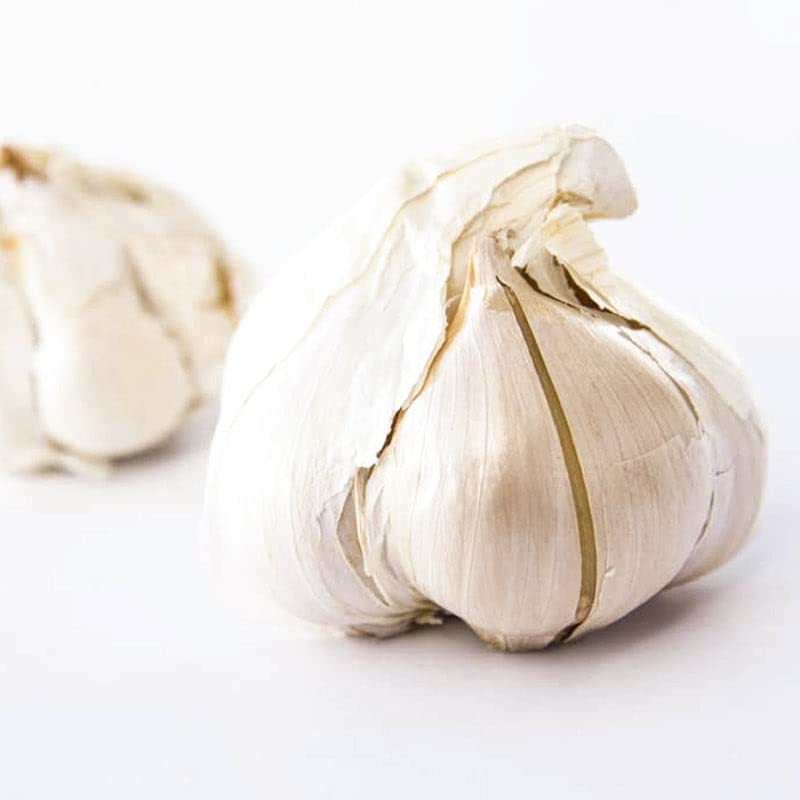
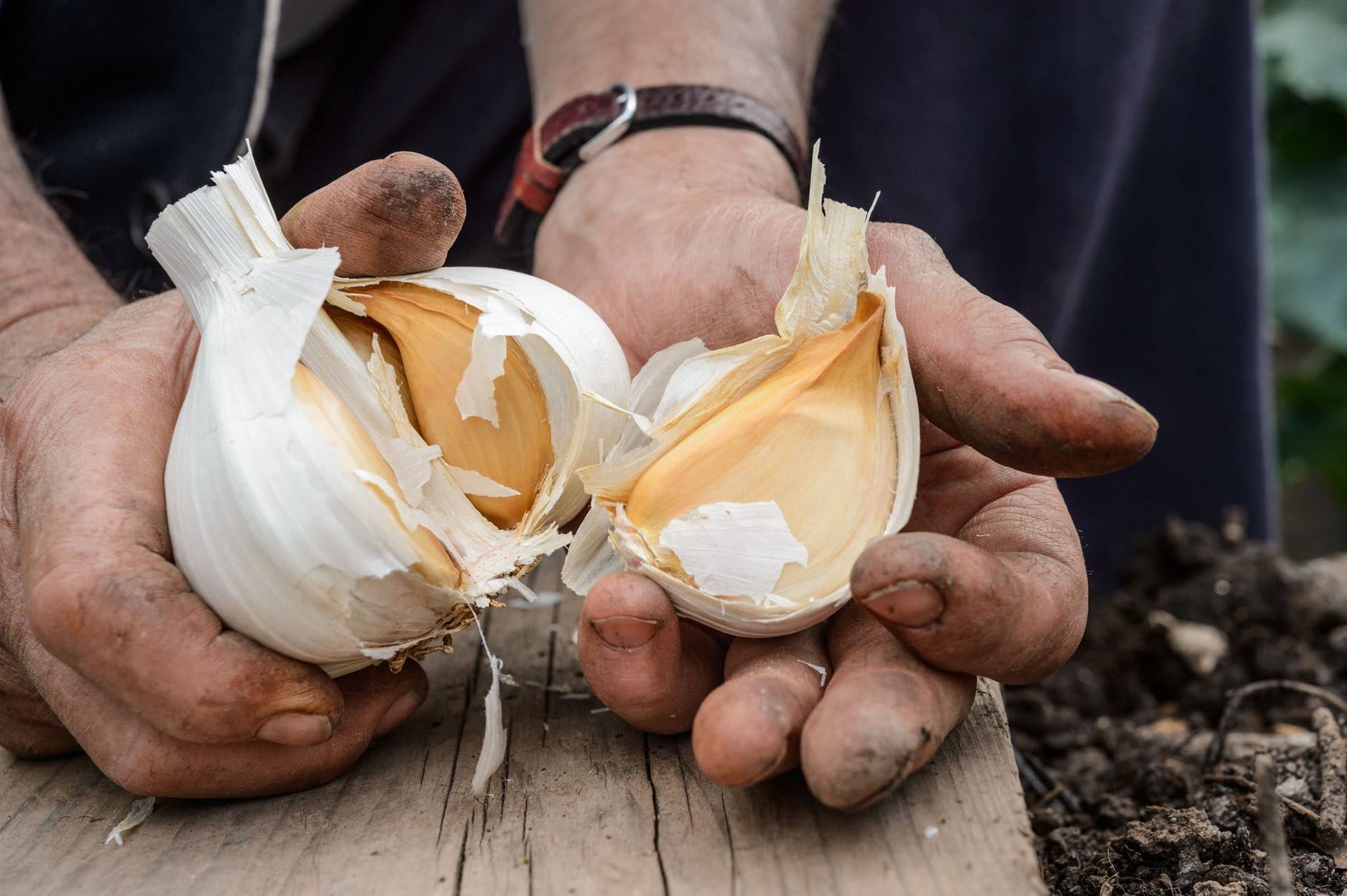
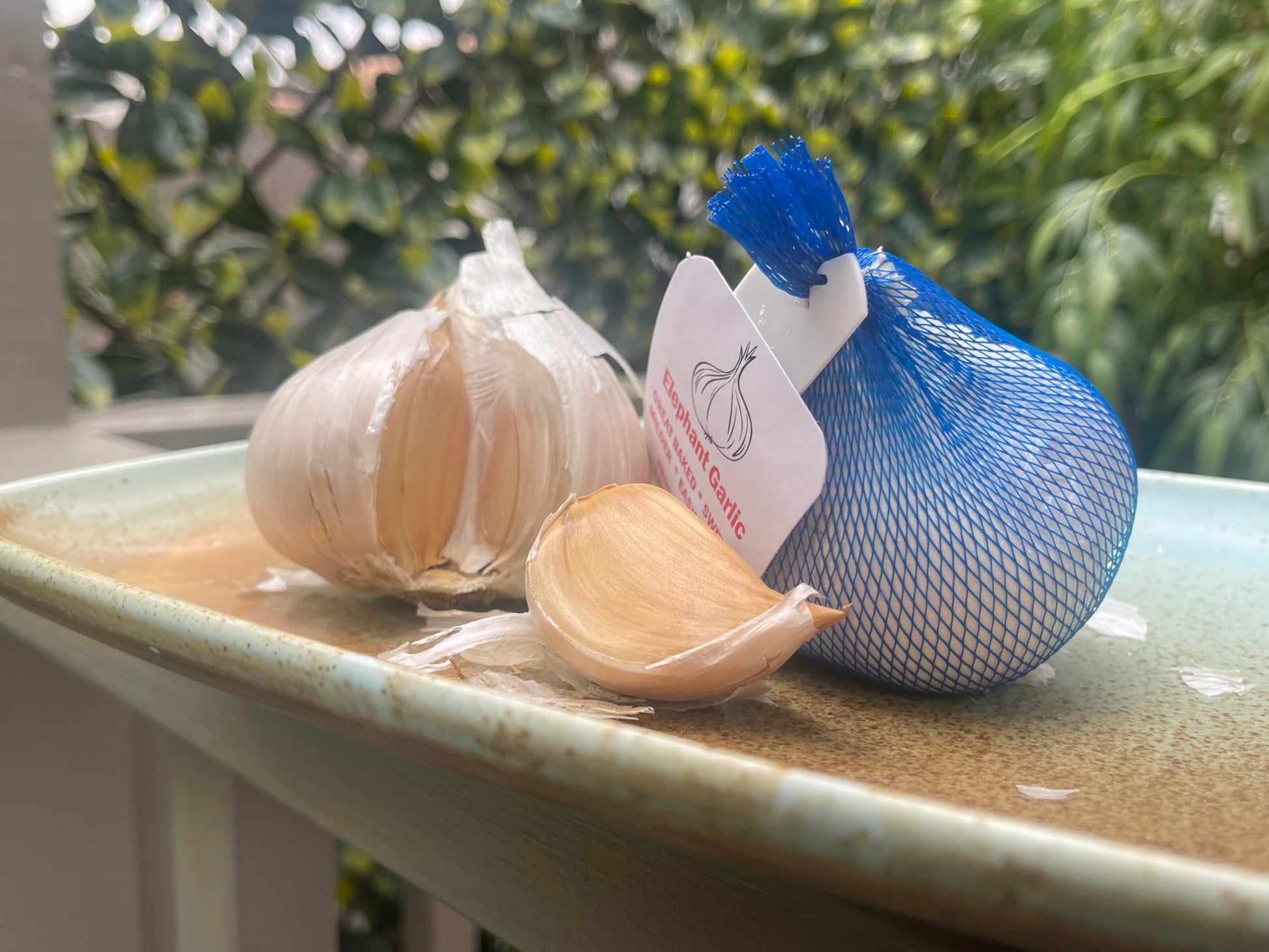
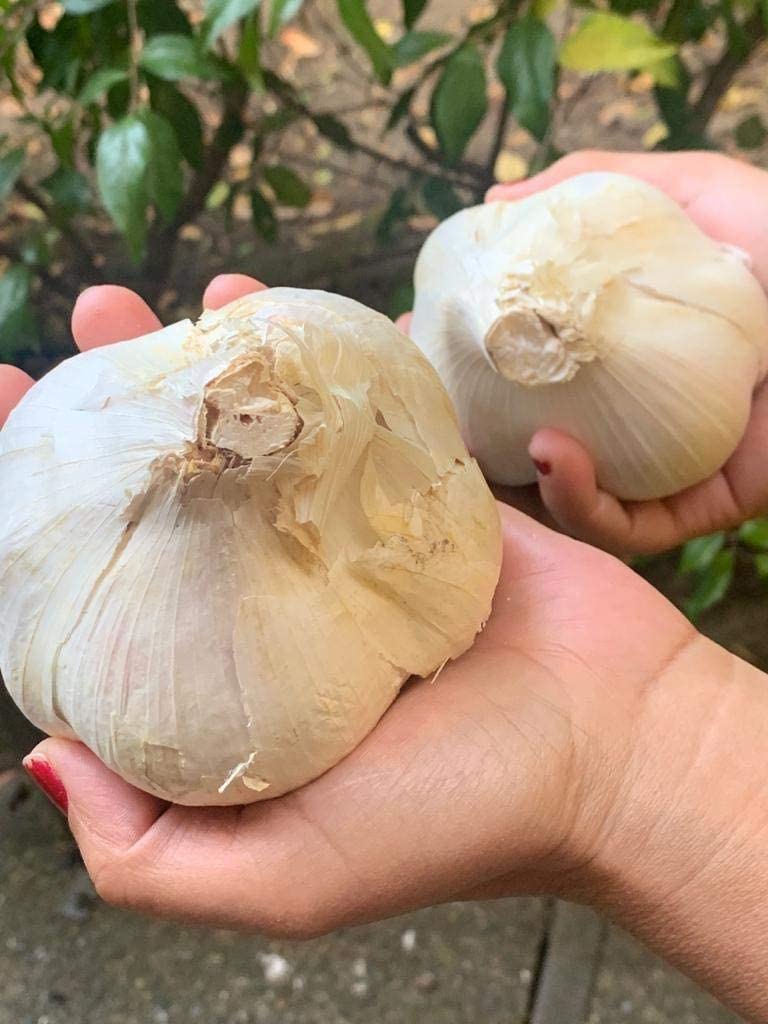
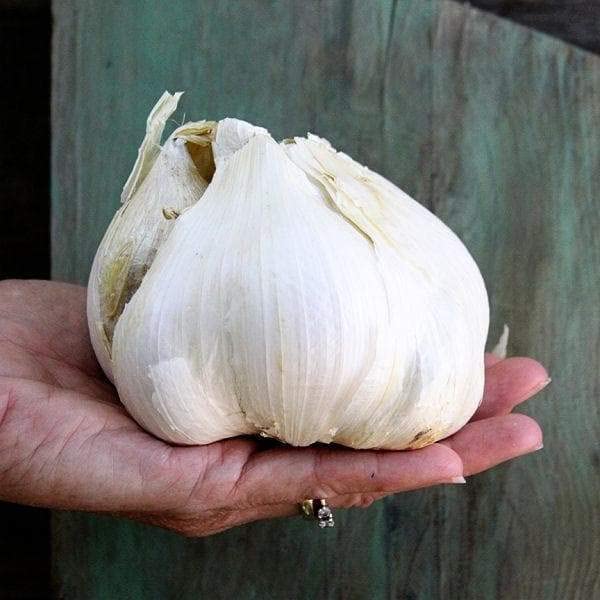
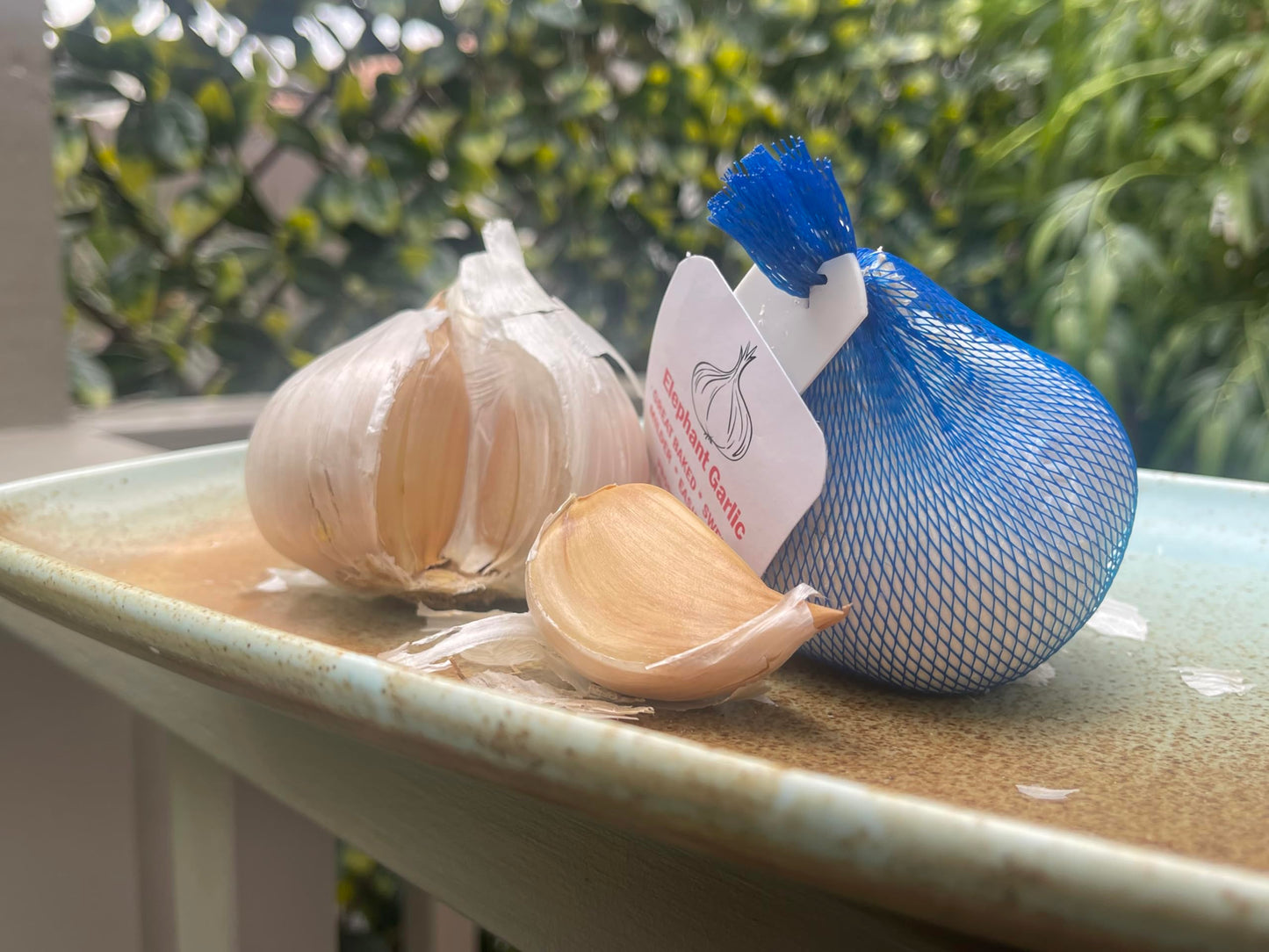
View compareElephant Garlic. Grown In California. 2 Huge Bulbs. Delicious Milder, Mellower Flavor. Great For Cooking, Eating And Planting. G
Elephant Garlic. Grown In California. 2 Huge Bulbs. Delicious Milder, Mellower Flavor. Great For Cooking, Eating And Planting. G
Out of stock
Regular price
$24.28
Sale price
$24.28
Regular price
$34.69
Unit price
per
Shipping calculated at checkout.
Sold by GroceryeShop — Fresh & quality products, delivered in USA.
Returns accepted within 30 days | support@groceryeshop.us
Shipping Information
- Free Standard Shipping — United States only
- Processing Time: 3–5 business days
- Estimated Delivery: 6–10 business days after dispatch
- Securely packed to ensure your purchase arrives in perfect condition
- Tracking number sent via email once dispatched
- Orders over $250 require signature upon delivery. Taxes calculated at checkout.
Returns & Refund
Returns accepted within 30 days of delivery.
Damaged or Defective Item
Free return shipping + replacement or full refund
Wrong Item Received
Free return shipping + replacement or full refund
Change of Mind
Return shipping at customer's expense · Item must be unused & in original packaging
All returns require a Return Authorization (RA) number before sending.
View Full Return & Refund Policy
Safety & Compliance
⚠️
California Proposition 65 Warning
Some products sold on this website may expose you to chemicals known to the State of California to cause cancer, birth defects, or other reproductive harm.
www.P65Warnings.ca.gov
🛒
General Product Safety Advisory
Always read the product label, instructions, and safety warnings before use. Do not use damaged or modified products. Store products in appropriate conditions as specified by the manufacturer.
Keep all products out of reach of children unless specifically designed for their use.
ℹ️
Product Authenticity & Notice
All products sold by GroceryeShop are 100% authentic, sourced directly from trusted suppliers across the USA. Product weights and packaging may vary slightly from images due to seasonal availability and supplier updates.
GroceryeShop — Fresh, Quality Groceries Delivered Nationwide.
Couldn't load pickup availability
Guarantee safe and secure checkout
Product Description
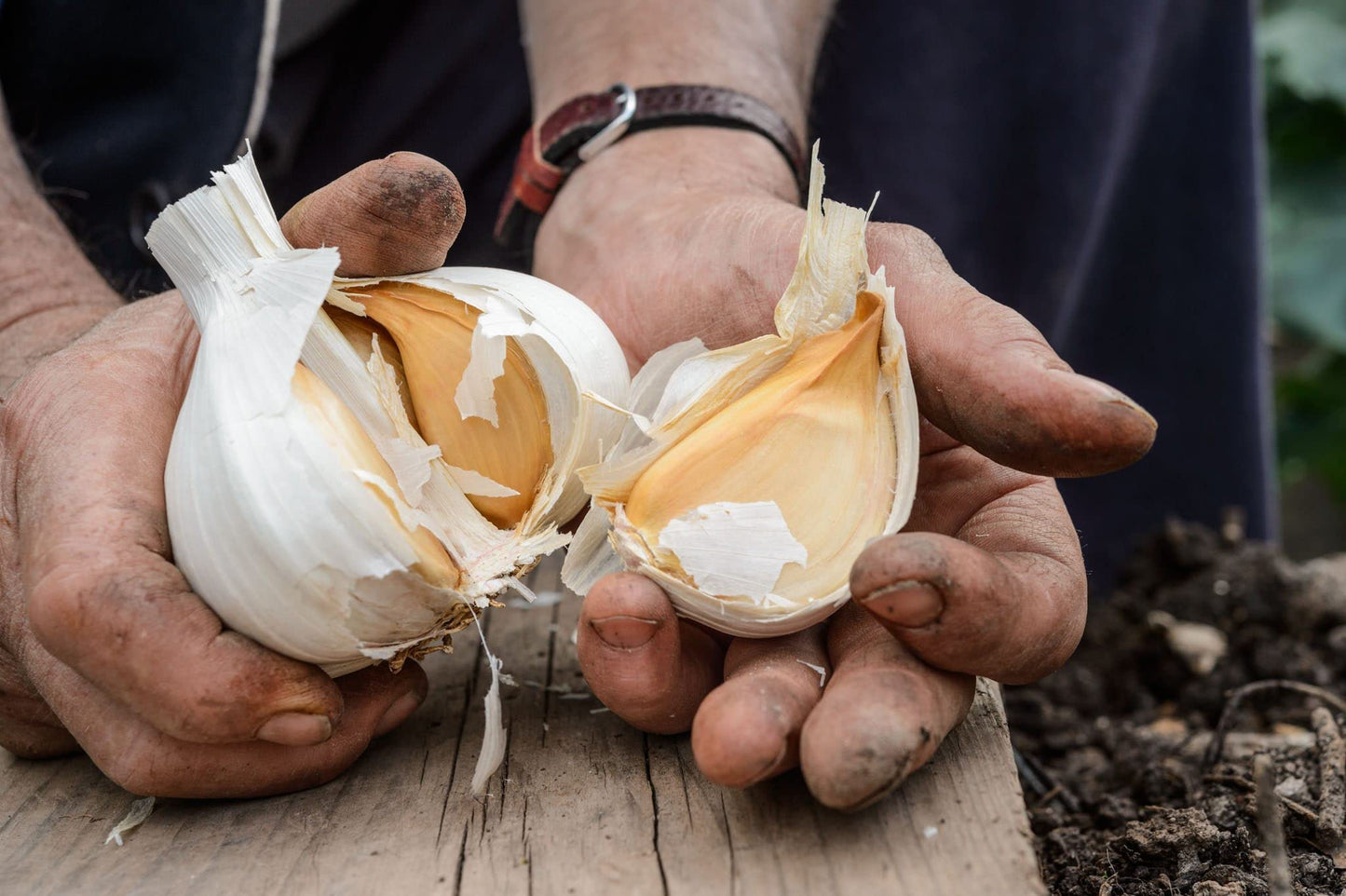
Roasted Elephant Garlic Is Larger And Milder Than Regular Garlic. It'S A Delicious Accompaniment To A Fresh Loaf Of Bread And Is Easy To Tuck In The Oven When Roasting Other Meats And Vegetables. If Your Oven Temp Needs To Be Higher Or Lower For Whatever Else You'Re Roasting, Simply Extend Or Reduce The Cooking Time Of The Garlic Elephant Garlic Prefers A Long, Cool Growing Season And Is Best Planted In Early Fall. The Larger The Planted Clove, The Larger The Bulb It Will Produce, And These Cloves Are Huge. Garlic Grows Best When The Competition With Weeds Is Reduced, Youll Want To Keep Weeds At A Minimum With Frequent Sallow Cultivation. When Planting The Cloves, You Want To Plant With The Blunt End Of The Clove Into The Soil First, The Tip Of The Clove Should Be Slightly Exposed To The Soil. Elephant Garlic Is Considered A Biennial, Which Means It Completes Its Life Cycle In Two Growing Seasons (Fall-Planted, Spring/Summer - Harvest).
Frequently Asked Questions
- Q: What size are the elephant garlic bulbs? A: Each bulb is large, providing a significant amount of garlic for cooking, eating, or planting. Expect two huge bulbs in each purchase.
- Q: What is elephant garlic made of? A: Elephant garlic is a type of garlic, specifically a variety of Allium ampeloprasum. It is known for its milder flavor compared to regular garlic.
- Q: Is elephant garlic organic? A: The product details do not specify whether the garlic is organic. It is best to check with the manufacturer for organic certification.
- Q: How do I roast elephant garlic? A: To roast elephant garlic, wrap the bulbs in foil and place them in the oven alongside meats or vegetables. Adjust cooking time based on the temperature needed for other dishes.
- Q: Can I plant elephant garlic? A: Yes, you can plant elephant garlic. It is best planted in early fall for optimal growth, producing larger bulbs when using sizable cloves.
- Q: How do I prepare elephant garlic for cooking? A: Simply peel the cloves and add them to your dishes. Roasting enhances their natural sweetness and mellower flavor, making them perfect for various recipes.
- Q: How should I store elephant garlic? A: Store elephant garlic in a cool, dry place away from direct sunlight. Proper storage will keep the garlic fresh for several weeks.
- Q: Does elephant garlic have a long shelf life? A: Yes, when stored correctly, elephant garlic can last several weeks. Ensure it is kept in a dry, cool environment to maintain its freshness.
- Q: Is elephant garlic safe for everyone? A: Yes, elephant garlic is generally safe for consumption by most people. However, those with garlic allergies should avoid it.
- Q: How do I keep elephant garlic fresh? A: To keep elephant garlic fresh, store it in a breathable container in a cool, dark place. Avoid moisture to prevent sprouting.
- Q: What dishes pair well with elephant garlic? A: Elephant garlic pairs well with grilled dishes, roasted meats, and savory vegetable medleys. Its milder flavor complements many recipes.
- Q: How does elephant garlic compare to regular garlic? A: Elephant garlic is larger and milder than regular garlic. It offers a sweeter flavor profile, making it suitable for various culinary uses.
- Q: Can I use elephant garlic in place of regular garlic? A: Yes, you can substitute elephant garlic for regular garlic in recipes. Just remember that its flavor is milder, so adjust the quantity according to your taste.
- Q: What benefits does elephant garlic offer? A: Elephant garlic is known for its health benefits, including potential cardiovascular health support and antioxidant properties. It's a nutritious addition to your diet.
- Q: What is the best way to eat elephant garlic? A: Elephant garlic can be eaten raw, roasted, or cooked. Roasting enhances its flavor, making it a delicious addition to breads and savory dishes.