


You will not be allowed to compare more than 4 products at a time
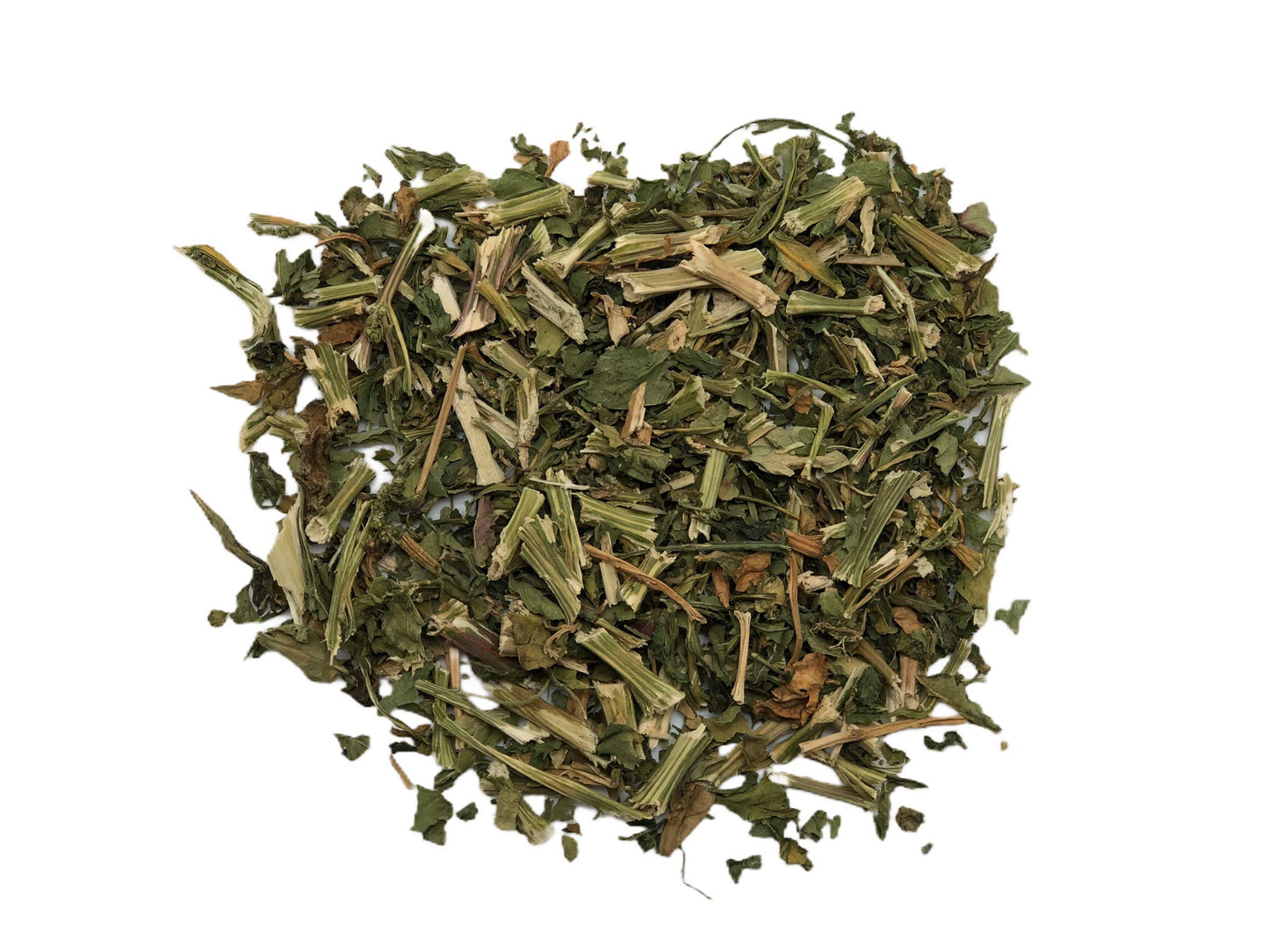
View compareEpazote Dried Cut Herb, 2 Oz, Epazote Natural, Mexican Seasoning, Epazote Spice,Resealable Bag, Product From Mexico, Packaged In The Usa (2 Oz.)
Epazote Dried Cut Herb, 2 Oz, Epazote Natural, Mexican Seasoning, Epazote Spice,Resealable Bag, Product From Mexico, Packaged In The Usa (2 Oz.)
Out of stock
Regular price
$14.46
Sale price
$14.46
Regular price
$20.66
Unit price
per
Shipping calculated at checkout.
Sold by GroceryeShop — Fresh & quality products, delivered in USA.
Returns accepted within 30 days | support@groceryeshop.us
Shipping Information
- Free Standard Shipping — United States only
- Processing Time: 3–5 business days
- Estimated Delivery: 6–10 business days after dispatch
- Securely packed to ensure your purchase arrives in perfect condition
- Tracking number sent via email once dispatched
- Orders over $250 require signature upon delivery. Taxes calculated at checkout.
Returns & Refund
Returns accepted within 30 days of delivery.
Damaged or Defective Item
Free return shipping + replacement or full refund
Wrong Item Received
Free return shipping + replacement or full refund
Change of Mind
Return shipping at customer's expense · Item must be unused & in original packaging
All returns require a Return Authorization (RA) number before sending.
View Full Return & Refund Policy
Safety & Compliance
⚠️
California Proposition 65 Warning
Some products sold on this website may expose you to chemicals known to the State of California to cause cancer, birth defects, or other reproductive harm.
www.P65Warnings.ca.gov
🛒
General Product Safety Advisory
Always read the product label, instructions, and safety warnings before use. Do not use damaged or modified products. Store products in appropriate conditions as specified by the manufacturer.
Keep all products out of reach of children unless specifically designed for their use.
ℹ️
Product Authenticity & Notice
All products sold by GroceryeShop are 100% authentic, sourced directly from trusted suppliers across the USA. Product weights and packaging may vary slightly from images due to seasonal availability and supplier updates.
GroceryeShop — Fresh, Quality Groceries Delivered Nationwide.
Couldn't load pickup availability
Guarantee safe and secure checkout

Product Description
Epazote Herb C/S - This herb includes the stems which have a lot of medicinal value. Also Known As – Dysphania ambrosioides, Chenopodium ambrosioides, known as wormseed, Jesuit's tea, Mexican-tea,[2] payqu (paico), epazote, mastruz, or herba sancti Mariæ, is an annual or short-lived perennial herb native to Central America, South America, and southern Mexico. Culinary uses - D. ambrosioides is used as a leaf vegetable, herb, and herbal tea for its pungent flavor. Raw, it has a resinous, similar to oregano, anise, fennel, or even tarragon, but stronger. The fragrance of D. ambrosioides is strong but difficult to describe. A common analogy is to turpentine or creosote. It has also been compared to citrus, savory, and mint. Although it is traditionally used with black beans for flavor and is also sometimes used to flavor other traditional Mexican dishes: it can be used to season quesadillas and sopes (especially those containing huitlacoche), soups, mole de olla, tamales with cheese and chili peppers, chilaquiles, eggs and potatoes and enchiladas. It is often used as an herb in white fried rice and an important ingredient for making the green salsa for chilaquiles.
Frequently Asked Questions
- Q: What is the size of the Epazote dried cut herb? A: This product is two ounces in weight, packaged in a resealable bag for convenience.
- Q: Is the Epazote herb organic? A: No, the product details do not specify that it is organic.
- Q: Where is the Epazote herb sourced from? A: This herb is sourced from Mexico and packaged in the USA.
- Q: How do I use Epazote in cooking? A: You can use Epazote to flavor traditional Mexican dishes, particularly with black beans, soups, and enchiladas.
- Q: Can I use Epazote in herbal tea? A: Yes, Epazote can be used as an herbal tea due to its unique flavor.
- Q: Is Epazote suitable for vegetarian dishes? A: Yes, it is suitable for vegetarian dishes and enhances the flavor of various plant-based meals.
- Q: How should I store Epazote dried cut herb? A: Store it in a cool, dry place, ensuring the resealable bag is tightly closed for freshness.
- Q: What is the shelf life of dried Epazote? A: When stored properly, dried herbs like Epazote can last for about one to three years.
- Q: Is there any special care required for Epazote? A: No special care is required; just keep it sealed and away from moisture.
- Q: Can I return the Epazote herb if I am not satisfied? A: Yes, there is a thirty-day money-back guarantee if you are not satisfied with the product.
- Q: What if my Epazote herb arrives damaged? A: Contact customer service for assistance with returns or exchanges for damaged items.
- Q: Is Epazote safe for children to consume? A: It is recommended to consult a healthcare professional before giving herbs like Epazote to children.
- Q: How does Epazote compare to other herbs? A: Epazote has a unique, pungent flavor that is stronger than oregano and can be compared to anise or tarragon.
- Q: Is Epazote good for digestive health? A: Epazote has been traditionally used for its digestive benefits, particularly for alleviating gas.
- Q: What is the best way to prepare dishes with Epazote? A: Add Epazote towards the end of cooking to retain its flavor, especially in soups and stews.