


You will not be allowed to compare more than 4 products at a time
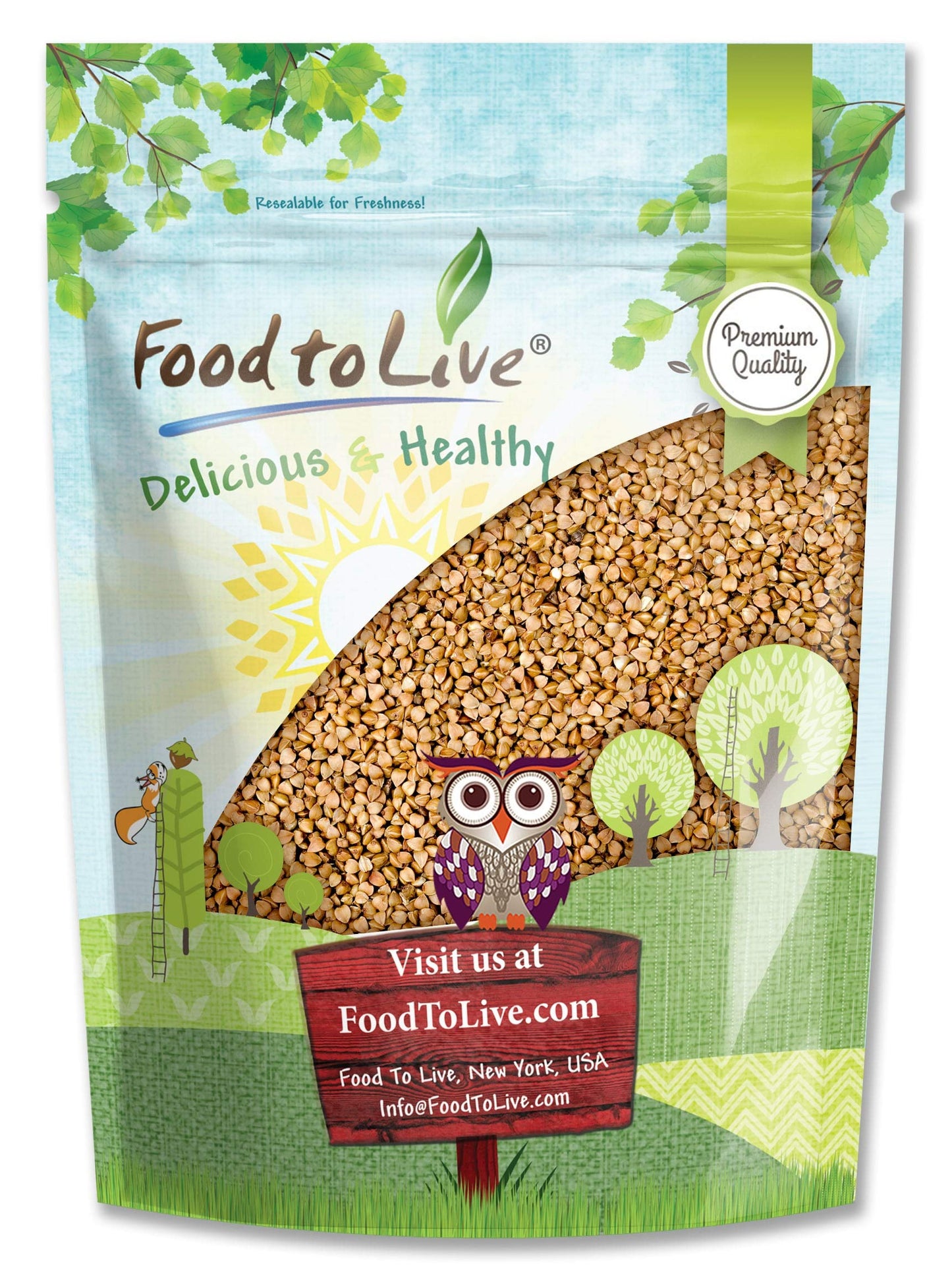
View compareFood to Live Buckwheat Kasha, 2 Pounds - Grechka, Toasted Whole Groats, Made from Hulled Seeds, Kosher, Bulk. Rich in Dietary Fi
Food to Live Buckwheat Kasha, 2 Pounds - Grechka, Toasted Whole Groats, Made from Hulled Seeds, Kosher, Bulk. Rich in Dietary Fi
Out of stock
Regular price
$18.67
Sale price
$18.67
Regular price
$26.67
Unit price
per
Shipping calculated at checkout.
Sold by GroceryeShop — Fresh & quality products, delivered in USA.
Returns accepted within 30 days | support@groceryeshop.us
Shipping Information
- Free Standard Shipping — United States only
- Processing Time: 3–5 business days
- Estimated Delivery: 6–10 business days after dispatch
- Securely packed to ensure your purchase arrives in perfect condition
- Tracking number sent via email once dispatched
- Orders over $250 require signature upon delivery. Taxes calculated at checkout.
Returns & Refund
Returns accepted within 30 days of delivery.
Damaged or Defective Item
Free return shipping + replacement or full refund
Wrong Item Received
Free return shipping + replacement or full refund
Change of Mind
Return shipping at customer's expense · Item must be unused & in original packaging
All returns require a Return Authorization (RA) number before sending.
View Full Return & Refund Policy
Safety & Compliance
⚠️
California Proposition 65 Warning
Some products sold on this website may expose you to chemicals known to the State of California to cause cancer, birth defects, or other reproductive harm.
www.P65Warnings.ca.gov
🛒
General Product Safety Advisory
Always read the product label, instructions, and safety warnings before use. Do not use damaged or modified products. Store products in appropriate conditions as specified by the manufacturer.
Keep all products out of reach of children unless specifically designed for their use.
ℹ️
Product Authenticity & Notice
All products sold by GroceryeShop are 100% authentic, sourced directly from trusted suppliers across the USA. Product weights and packaging may vary slightly from images due to seasonal availability and supplier updates.
GroceryeShop — Fresh, Quality Groceries Delivered Nationwide.
Couldn't load pickup availability
Guarantee safe and secure checkout


Product Description
Buckwheat is a gluten-free grain popular all over the world because of its delightful taste. It's also known as Kasha, Grechka, in some places as well as used to make soba noodles. The grain is delicious, low in calories, and packed with protein and fiber. It contains some essential minerals, B vitamins, and more zinc than the majority of other grains.Slowly toasted buckwheat kernels are called buckwheat kasha. They are different from raw buckwheat groats in flavor, color, texture and cooking time. However, the two types of grain are very similar in nutrients values.Kasha, you get to enjoy hulled and roasted buckwheat groats without any extra effort, where the buckwheat groats do need some spare time to prepare. Usually, our clients use buckwheat groats for sprouting, and you can add sprouts to your morning shakes, or salads.How to Cook Whole Buckwheat KashaToasted buckwheat kasha taste is a bit earthy and nutty. This grain is naturally rich in flavor, and roasting enhances it. It might even be a bit bitter, but if you don't like this, soak the grain for up to an hour.To cook buckwheat kasha, take two parts water or broth and one part grain. Place Kasha in the pot with water, season with salt, and bring to a boil. Let it simmer for 10-20 minutes; water needs to evaporate. Add some butter, and voila, it's ready to eat.Buckwheat tastes great both when al dente and when it's all mushy like porridge.Because of the delicious taste, buckwheat use is versatile; serve it with creamy, savory sauces as well as a side for meat or veggies. Have you tried buckwheat kasha also tastes great with milk and sugar? How about pilaf-style dishes, so much room to experiment.Toasted buckwheat kasha grain keeps well for months as long as you keep it dry.
Frequently Asked Questions
- Q: What are the ingredients in Food to Live Buckwheat Kasha? A: Food to Live Buckwheat Kasha is made from toasted whole groats of hulled buckwheat seeds. It is a gluten-free grain packed with dietary fiber, protein, and essential minerals.
- Q: How much does Food to Live Buckwheat Kasha weigh? A: The product weighs two pounds. This size is suitable for both individual consumption and bulk cooking.
- Q: What is the nutritional profile of Buckwheat Kasha? A: Buckwheat Kasha is rich in dietary fiber, copper, manganese, and magnesium. It also contains B vitamins and more zinc than many other grains.
- Q: How do you cook Food to Live Buckwheat Kasha? A: To cook Buckwheat Kasha, use two parts water or broth to one part grain. Bring to a boil, then simmer for ten to twenty minutes until the water evaporates.
- Q: Can I eat Buckwheat Kasha as a breakfast food? A: Yes, Buckwheat Kasha can be enjoyed as a breakfast food. It tastes great with milk and sugar or can be served as a porridge.
- Q: Is there a recommended soaking time for Buckwheat Kasha? A: Soaking Buckwheat Kasha for up to one hour can reduce any bitterness. This step enhances its flavor and makes it easier to cook.
- Q: How should I store Food to Live Buckwheat Kasha? A: Store Buckwheat Kasha in a cool, dry place to keep it fresh for months. Ensure the packaging is sealed to prevent moisture.
- Q: Does Buckwheat Kasha have a long shelf life? A: Yes, Buckwheat Kasha has a long shelf life when kept dry. It can last for several months without losing quality.
- Q: Can I use Buckwheat Kasha in savory dishes? A: Yes, Buckwheat Kasha is versatile and can be served with savory sauces or as a side dish for meat or vegetables.
- Q: Is this product suitable for a gluten-free diet? A: Yes, Food to Live Buckwheat Kasha is gluten-free. It is an excellent option for those with gluten sensitivities or celiac disease.
- Q: What flavors can I expect from Buckwheat Kasha? A: Buckwheat Kasha has an earthy and nutty flavor with a hint of bitterness. Its rich taste enhances both sweet and savory dishes.
- Q: Is Buckwheat Kasha a good option for weight loss? A: Yes, Buckwheat Kasha is low in calories and high in fiber, making it a diet-friendly option for those looking to manage their weight.
- Q: How does Buckwheat Kasha compare to raw buckwheat groats? A: Toasted Buckwheat Kasha differs in flavor, color, and texture from raw buckwheat groats. It offers a richer taste and shorter cooking time.
- Q: Can I sprout Buckwheat Kasha? A: Yes, many clients use buckwheat groats for sprouting. Sprouted buckwheat can be added to salads or smoothies for added nutrition.
- Q: What cooking methods are best for Buckwheat Kasha? A: Buckwheat Kasha can be boiled or steamed. It can also be incorporated into pilaf-style dishes for added texture and flavor.