


You will not be allowed to compare more than 4 products at a time
View compareFood To Live Hard Red Wheat Berries, 1 Pound – Sprouting For Wheatgrass, Kosher, Raw, Vegan, Bulk
Food To Live Hard Red Wheat Berries, 1 Pound – Sprouting For Wheatgrass, Kosher, Raw, Vegan, Bulk
Hurry! Only left 10 in stock
Regular price
$24.43
Sale price
$24.43
Regular price
$34.90
Unit price
per
Shipping calculated at checkout.
Couldn't load pickup availability
Guarantee safe and secure checkout
Safety & Compliance
Safety & Compliance
⚠️ WARNING (California Proposition 65):
This product may contain chemicals known to the State of California to cause cancer, birth defects, or other reproductive harm.
For more information, please visit www.P65Warnings.ca.gov.


Product Description
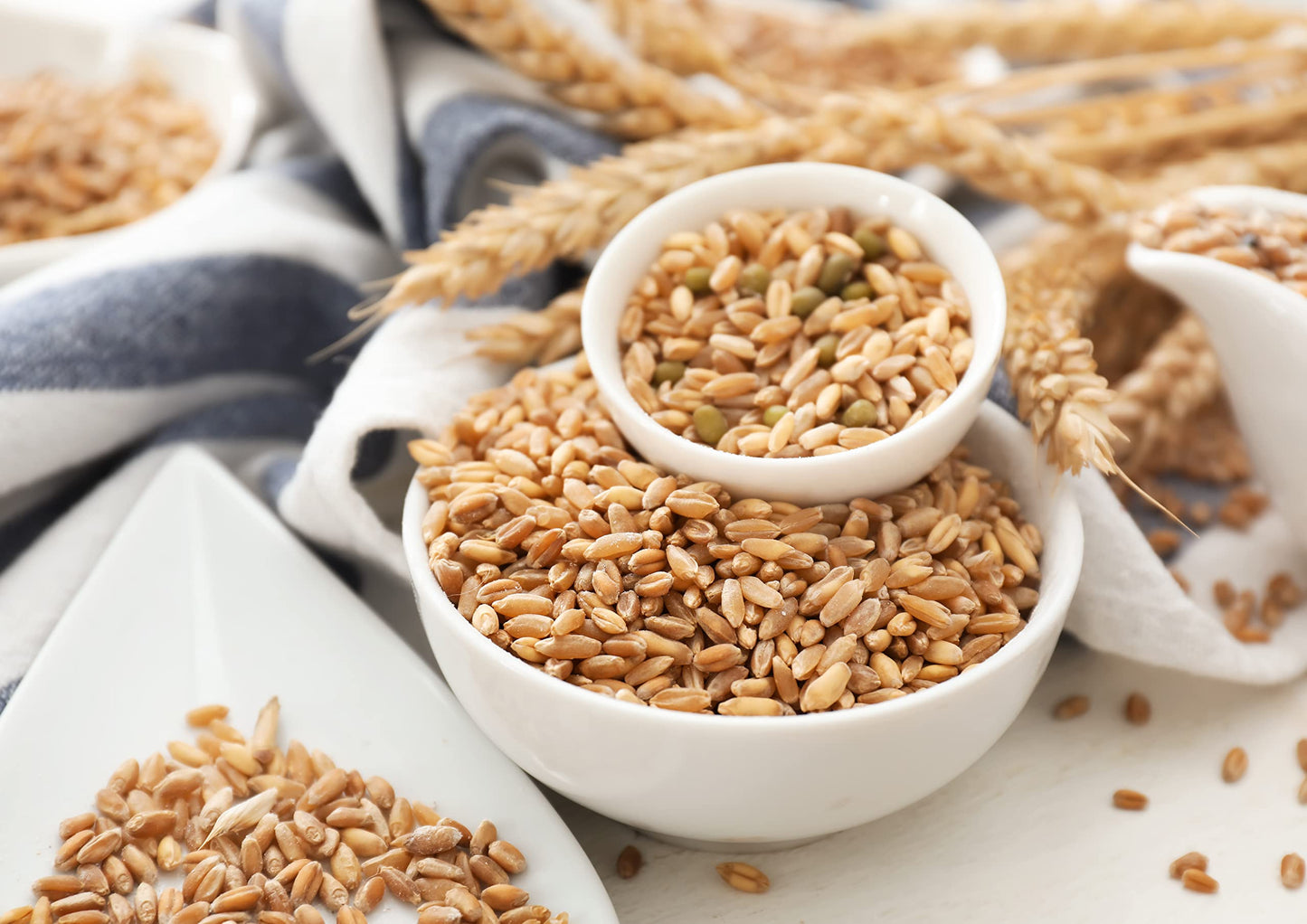
Wheat grains are considered the main grain crop that was first mastered by mankind. Wheat grains contain starch and various carbohydrates. Also, wheat grains contain: vegetable fats; vitamins of group B, PP, E, C, and others; magnesium; calcium; phosphorus; potassium; iron; zinc. Sprouted wheat grain, having a seedling of 1-2 mm, is most valuable in its amino acid, vitamin, and mineral composition compared to conventional ungrown wheat grain. For example, when germinating, the amount of vitamins E and group B in wheat grain increases several times, since vitamin C is present in the composition. How to Use Sprouted wheat is best served for breakfast. Sprouted wheat berries can be consumed both in whole and in a chopped form (chopped in a blender). You can add whole grains of germinated wheat to various salads, soups, side dishes. Shredded sprouted wheat can be used to make healthy cereal and bake bread. Wheatgrass Wheatgrass is prepared by sprouting wheat seeds in water for 7-10 days before harvesting the leaves. Eating raw wheatgrass is more useful than eating cooked wheatgrass as the enzymes responsible for detoxifying the body are thought to be deactivated by cooking foods. Nutritional info: Chlorophyll Vitamins A, C, E, K and B-complex Iron Calcium Magnesium Selenium Amino acids Green sprouts of wheat should be consumed fresh within 20 minutes after cutting to get the maximum benefit from this product. You can consume wheatgrass in many ways: in the form of juice or smoothies; add to various salads and combine with other herbs; prepare sauces and dressings. It is recommended to store wheat grains in a well-ventilated area and in bags made of natural materials.
Frequently Asked Questions
- Q: What are the main ingredients in Food to Live Hard Red Wheat Berries? A: The main ingredient is hard red wheat berries, which are unprocessed wheat kernels. They are non-GMO verified, kosher, raw, and suitable for vegan diets.
- Q: What is the size of the packaging for Food to Live Hard Red Wheat Berries? A: The product comes in a one pound package. This size is ideal for both individual use and bulk purchasing.
- Q: Are Food to Live Hard Red Wheat Berries gluten-free? A: No, Food to Live Hard Red Wheat Berries are not gluten-free. They are made from wheat, which naturally contains gluten.
- Q: How can I use Food to Live Hard Red Wheat Berries in my meals? A: You can use them for breakfast, add them to salads, soups, or side dishes. They can be consumed whole or chopped after blending.
- Q: Is it easy to sprout Food to Live Hard Red Wheat Berries? A: Yes, sprouting them is simple. Just soak the wheat berries in water for seven to ten days, allowing them to germinate.
- Q: Can I make wheatgrass from Food to Live Hard Red Wheat Berries? A: Yes, you can grow wheatgrass using these wheat berries. They have a high germination rate, making them suitable for this purpose.
- Q: How should I store Food to Live Hard Red Wheat Berries? A: Store them in a well-ventilated area, ideally in bags made from natural materials to maintain freshness.
- Q: What is the shelf life of Food to Live Hard Red Wheat Berries? A: The shelf life is up to four years when stored properly. This makes them a convenient bulk purchasing option.
- Q: Is there any special care required for sprouted wheat? A: Yes, fresh green sprouts should be consumed within twenty minutes after cutting to maximize their nutritional benefits.
- Q: How do Food to Live Hard Red Wheat Berries compare to regular wheat? A: They are more nutritious than conventional ungrown wheat due to higher levels of vitamins and minerals after sprouting.
- Q: Are there any allergens in Food to Live Hard Red Wheat Berries? A: While the product is gluten-containing, it does not list any other common allergens. Check packaging for specific allergen information.
- Q: Can I use shredded sprouted wheat in baking? A: Yes, shredded sprouted wheat can be used to make healthy cereals and to bake bread, enhancing nutritional value.
- Q: What nutrients are found in Food to Live Hard Red Wheat Berries? A: They are rich in vitamins A, C, E, K, B-complex, iron, calcium, magnesium, and selenium, among others.
- Q: Is Food to Live Hard Red Wheat Berries suitable for vegans? A: Yes, the product is 100% raw and vegan, making it an excellent choice for those following plant-based diets.
- Q: What dishes can I pair with Food to Live Hard Red Wheat Berries? A: They pair well with salads, soups, protein bowls, veggies, meat, and fish dishes, adding versatility to meals.