


You will not be allowed to compare more than 4 products at a time
View compareGarbanzo Beans | Pardina Lentils | Green Split Peas | 15 Total Lbs | Non-Gmo Project Verified | 100% Non-Irradiated | Certified
Garbanzo Beans | Pardina Lentils | Green Split Peas | 15 Total Lbs | Non-Gmo Project Verified | 100% Non-Irradiated | Certified
Out of stock
Regular price
$79.30
Sale price
$79.30
Regular price
$113.29
Unit price
per
Shipping calculated at checkout.
Sold by GroceryeShop — Fresh & quality products, delivered in USA.
Returns accepted within 30 days | support@groceryeshop.us
Shipping Information
- Free Standard Shipping — United States only
- Processing Time: 3–5 business days
- Estimated Delivery: 6–10 business days after dispatch
- Securely packed to ensure your purchase arrives in perfect condition
- Tracking number sent via email once dispatched
- Orders over $250 require signature upon delivery. Taxes calculated at checkout.
Returns & Refund
Returns accepted within 30 days of delivery.
Damaged or Defective Item
Free return shipping + replacement or full refund
Wrong Item Received
Free return shipping + replacement or full refund
Change of Mind
Return shipping at customer's expense · Item must be unused & in original packaging
All returns require a Return Authorization (RA) number before sending.
View Full Return & Refund Policy
Safety & Compliance
⚠️
California Proposition 65 Warning
Some products sold on this website may expose you to chemicals known to the State of California to cause cancer, birth defects, or other reproductive harm.
www.P65Warnings.ca.gov
🛒
General Product Safety Advisory
Always read the product label, instructions, and safety warnings before use. Do not use damaged or modified products. Store products in appropriate conditions as specified by the manufacturer.
Keep all products out of reach of children unless specifically designed for their use.
ℹ️
Product Authenticity & Notice
All products sold by GroceryeShop are 100% authentic, sourced directly from trusted suppliers across the USA. Product weights and packaging may vary slightly from images due to seasonal availability and supplier updates.
GroceryeShop — Fresh, Quality Groceries Delivered Nationwide.
Couldn't load pickup availability
Guarantee safe and secure checkout


Product Description
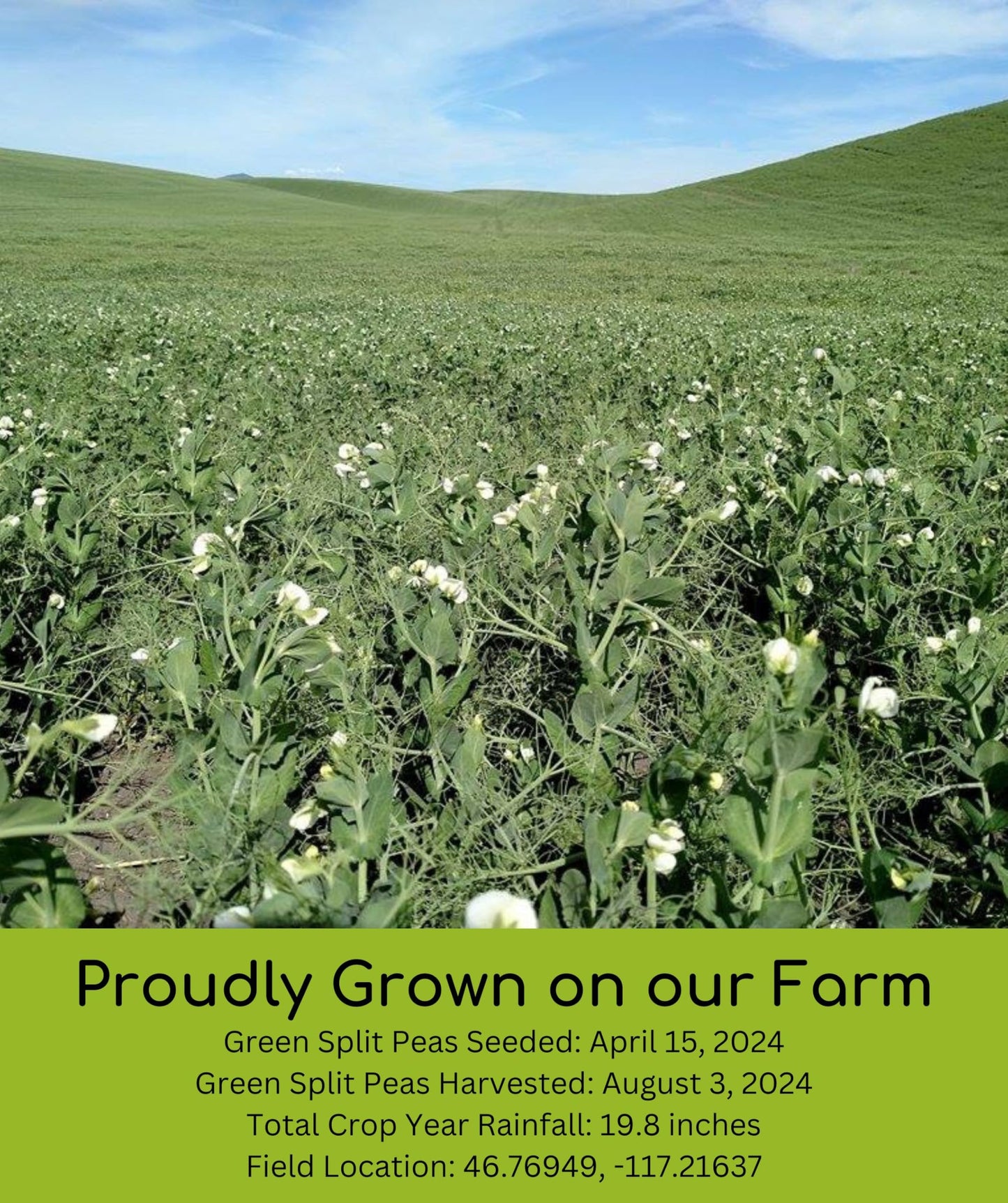
Buy Legumes Grown From The Fertile Soil Of Washington State. The Mader Family Has Been Involved In Agriculture For Five Generations. Our Farm Operations Span Across The South East Part Of Washington State And Are Headquartered In Pullman, Wa. In 2001 We Acted On An Opportunity To Add A Grain And Legume Cleaning Facility To Our Operation. Our Cleaning Facility, Palouse Trading Is Located In Palouse, Wa - Just A Short Drive From Pullman. Palouse Trading Was Originally Named Wallace Grain And Pea When It First Opened Its Doors In The 1930'S. The Plant Was Designed For Quality Not Quantity And Has Cleaned Legumes And Grains For The International Market And Domestic Consumption. Our Food Is Appealing To Our Consumers Because Of Its Nutrition, Aesthetics And Traceability To Our Farm. Each Bag Of Food Comes With A Qr Code That Allows You To See Harvest Details Of Your Food, Seeding Dates, The Field We Grew It In, And More. All Of Our Products Are Certified Kosher Parve, Non-Gmo Project Certified And Our Farming Methods Are Certified Sustainable By The Food Alliance. Our Foods Are Different Because Steve &Amp; Kevin Mader Plant, Harvest, Clean And Package At Our Own Facilities In Washington State There Are Few If Any Companies That Can Track Your Food And Details Of Your Food Back To The Field Like We Do.
Frequently Asked Questions
- Q: What ingredients are in the Certified Glyphosate Residue Free Garbanzo Beans, Brown Lentils, and Green Split Peas? A: This product contains garbanzo beans, brown lentils, and green split peas. All ingredients are certified glyphosate residue free and non-GMO.
- Q: What is the total weight of this product? A: The total weight of this product is fifteen pounds. It includes a mix of legumes ideal for various recipes.
- Q: What are the dimensions of the packaging? A: The packaging dimensions are eleven inches long, eight inches wide, and eight inches high. This size is convenient for storage.
- Q: How should I prepare these legumes before cooking? A: To prepare, rinse the legumes thoroughly before cooking. Soaking them overnight can improve texture and reduce cooking time.
- Q: Can I use this product in soups or salads? A: Yes, you can use these legumes in soups and salads. They add protein and fiber, enhancing the nutritional value of your meals.
- Q: Are these legumes suitable for a vegan diet? A: Yes, this product is suitable for a vegan diet. It provides a plant-based protein source without any animal products.
- Q: What is the shelf life of these legumes? A: The shelf life is three years when stored properly. For best results, keep them in an air-tight container in a cool, dry place.
- Q: How should I store the legumes after opening? A: After opening, store the legumes in an air-tight container. This helps maintain freshness and prevents moisture absorption.
- Q: Is this product safe for kids? A: Yes, this product is safe for kids. It is made from natural ingredients with no harmful additives.
- Q: What should I do if the bag arrives damaged? A: If the bag arrives damaged, contact customer support for a replacement. Please keep the original packaging for reference.
- Q: How do I know if these legumes are truly non-GMO? A: This product is Non-GMO Project Verified. You can verify this by checking the certification label on the packaging.
- Q: Are these legumes gluten-free? A: Yes, these legumes are gluten-free. They are a great alternative for those with gluten sensitivities.
- Q: What variety of legumes does this product contain? A: This product contains a variety of legumes: garbanzo beans, brown lentils, and green split peas. Each offers unique flavors and nutritional benefits.
- Q: Can I cook these legumes in a pressure cooker? A: Yes, you can cook these legumes in a pressure cooker. This method significantly reduces cooking time.
- Q: Is there a QR code on the packaging? A: Yes, each bag includes a QR code. Scanning it provides detailed information about the harvest and traceability of your food.
- Q: What farming methods are used for these legumes? A: These legumes are farmed using sustainable methods. The farming practices are certified sustainable by the Food Alliance.