


You will not be allowed to compare more than 4 products at a time
View compareGiuseppe Giusti Saba - Italian Saba Cooked Grape Must Made In Modena, Italy - Gourmet Gift, Sweet And Fruity Flavor, 250Ml Bottl
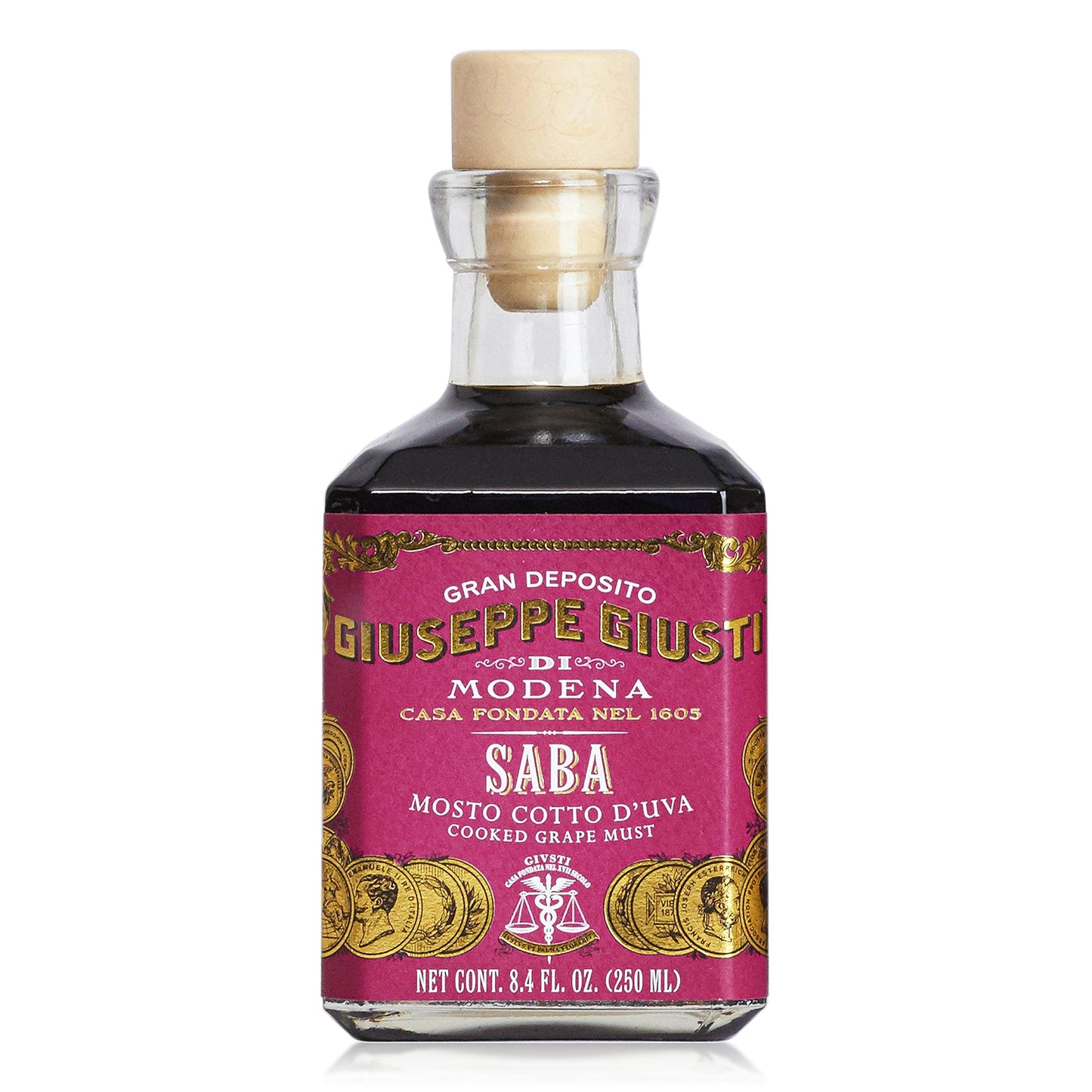
Giuseppe Giusti Saba - Italian Saba Cooked Grape Must Made In Modena, Italy - Gourmet Gift, Sweet And Fruity Flavor, 250Ml Bottl
Hurry! Only left 1 in stock
Regular price
$59.78
Sale price
$59.78
Regular price
$59.78
Unit price
per
Shipping calculated at checkout.
Sold by GroceryeShop — Fresh & quality products, delivered in USA.
Returns accepted within 30 days | support@groceryeshop.us
Shipping Information
- Free Standard Shipping — United States only
- Processing Time: 3–5 business days
- Estimated Delivery: 6–10 business days after dispatch
- Securely packed to ensure your purchase arrives in perfect condition
- Tracking number sent via email once dispatched
- Orders over $250 require signature upon delivery. Taxes calculated at checkout.
Returns & Refund
Returns accepted within 30 days of delivery.
Damaged or Defective Item
Free return shipping + replacement or full refund
Wrong Item Received
Free return shipping + replacement or full refund
Change of Mind
Return shipping at customer's expense · Item must be unused & in original packaging
All returns require a Return Authorization (RA) number before sending.
View Full Return & Refund Policy
Safety & Compliance
⚠️
California Proposition 65 Warning
Some products sold on this website may expose you to chemicals known to the State of California to cause cancer, birth defects, or other reproductive harm.
www.P65Warnings.ca.gov
🛒
General Product Safety Advisory
Always read the product label, instructions, and safety warnings before use. Do not use damaged or modified products. Store products in appropriate conditions as specified by the manufacturer.
Keep all products out of reach of children unless specifically designed for their use.
ℹ️
Product Authenticity & Notice
All products sold by GroceryeShop are 100% authentic, sourced directly from trusted suppliers across the USA. Product weights and packaging may vary slightly from images due to seasonal availability and supplier updates.
GroceryeShop — Fresh, Quality Groceries Delivered Nationwide.
Couldn't load pickup availability
Guarantee safe and secure checkout


Product Description
Sweet Flavor. The Saba, A Local Name For Cooked Grape Must, Is A Fresh Product, Appreciated Locally Since The Age Of The Ancient Romans. The Must Of Local Grapes Is Cooked Until A Particularly Sweet, And Thick Concentrate Is Acquired. A Bottle Of Saba Makes For A Decadent Gourmet Gift For Chefs, Cooks, And Housewarmings. . Versatile Food Pairings. Traditionally Saba Accompanied Cheeses, But More Recently, Thanks To Its Sweetness, It Has Been Rediscovered For Desserts, Such As Ice Cream, Creams, And Ricotta Based Cakes. It Can Even Be Added To Savory Dishes For A Little Sweet Surprise. The Possibilities Are Endless!. Created In Modena, Italy. Giuseppe Giusti Was Founded In 1605 And Is The Longest Running And Most Prestigious Balsamic Vinegar Producer In The World. Dedicated To Constantly Improving Its Attention To The Environment, Giusti Adopts The Most Modern And Best Practices In Order To Reduce The Environmental Impact For Greater Sustainable Agriculture. All Of Giuseppe Giusti'S Vinegars Are Igp Certified To Ensure You That They Are Authentic.
Frequently Asked Questions
- Q: What is the size of the Giusti Saba Cooked Grape Must? A: The Giusti Saba Cooked Grape Must comes in a size of eight point four five fluid ounces. This is a convenient size for adding gourmet flavor to various dishes.
- Q: What ingredients are in Giusti Saba? A: Giusti Saba is made from cooked grape must, which is the juice extracted from local Italian grapes. This results in a naturally sweet and thick concentrate.
- Q: What color is the Giusti Saba Cooked Grape Must? A: The Giusti Saba Cooked Grape Must is a deep balsamic vinegar of Modena black color. This rich hue enhances its visual appeal in gourmet presentations.
- Q: How do I use Giusti Saba in cooking? A: You can use Giusti Saba as a sweetener for desserts or as a glaze for savory dishes. It's versatile for pairing with cheeses, ice cream, and ricotta cakes.
- Q: Is Giusti Saba suitable for all diets? A: Yes, Giusti Saba is suitable for a variety of diets, including vegetarian and gluten-free. Its natural ingredients make it a great addition for many culinary uses.
- Q: Can I use Giusti Saba in salad dressings? A: Yes, you can absolutely use Giusti Saba in salad dressings. Its sweet flavor adds a delightful twist to vinaigrettes and enhances fresh salads.
- Q: How should I store Giusti Saba to maintain its quality? A: It is best to store Giusti Saba in a cool, dark place away from direct sunlight. This will help preserve its flavor and quality over time.
- Q: What is the shelf life of Giusti Saba? A: The shelf life of Giusti Saba is typically up to three years if stored properly. Always check for any signs of spoilage before use.
- Q: Does Giusti Saba need to be refrigerated after opening? A: No, Giusti Saba does not need refrigeration after opening. However, keeping it in a cool area will help maintain its flavor.
- Q: Can I use Giusti Saba as a gift? A: Yes, Giusti Saba makes for an excellent gift. Its gourmet nature and unique flavor profile are perfect for food lovers and culinary enthusiasts.
- Q: How does Giusti Saba compare to traditional balsamic vinegar? A: Giusti Saba is sweeter and thicker than traditional balsamic vinegar. It's specifically designed for those who enjoy a rich, sweet flavor.
- Q: Is Giusti Saba made sustainably? A: Yes, Giusti Saba is made with sustainable practices. The Giusti company focuses on environmentally friendly methods throughout their production.
- Q: What types of dishes pair well with Giusti Saba? A: Giusti Saba pairs well with a variety of dishes, including cheeses, meats, desserts, and even salads. Its versatility makes it a great addition to many meals.
- Q: What gives Giusti Saba its unique flavor? A: The unique flavor of Giusti Saba comes from the cooking process of local grapes, which creates a concentrated sweet must. This enhances its rich, fruity taste.
- Q: How do I incorporate Giusti Saba into desserts? A: You can incorporate Giusti Saba into desserts by drizzling it over ice cream, mixing it into cake batters, or using it in sauces for desserts like panna cotta.