


You will not be allowed to compare more than 4 products at a time
View compareGrain Place Foods | Non-Gmo Organic Hulled Barley | Made In Usa | 25 Lb Bag
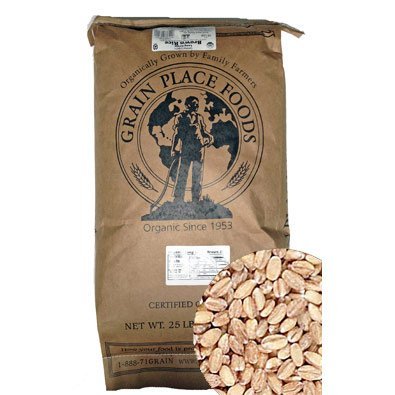
Grain Place Foods | Non-Gmo Organic Hulled Barley | Made In Usa | 25 Lb Bag
Out of stock
Regular price
$100.33
Sale price
$100.33
Regular price
$143.33
Unit price
per
Shipping calculated at checkout.
Sold by GroceryeShop — Fresh & quality products, delivered in USA.
Returns accepted within 30 days | support@groceryeshop.us
Shipping Information
- Free Standard Shipping — United States only
- Processing Time: 3–5 business days
- Estimated Delivery: 6–10 business days after dispatch
- Securely packed to ensure your purchase arrives in perfect condition
- Tracking number sent via email once dispatched
- Orders over $250 require signature upon delivery. Taxes calculated at checkout.
Returns & Refund
Returns accepted within 30 days of delivery.
Damaged or Defective Item
Free return shipping + replacement or full refund
Wrong Item Received
Free return shipping + replacement or full refund
Change of Mind
Return shipping at customer's expense · Item must be unused & in original packaging
All returns require a Return Authorization (RA) number before sending.
View Full Return & Refund Policy
Safety & Compliance
⚠️
California Proposition 65 Warning
Some products sold on this website may expose you to chemicals known to the State of California to cause cancer, birth defects, or other reproductive harm.
www.P65Warnings.ca.gov
🛒
General Product Safety Advisory
Always read the product label, instructions, and safety warnings before use. Do not use damaged or modified products. Store products in appropriate conditions as specified by the manufacturer.
Keep all products out of reach of children unless specifically designed for their use.
ℹ️
Product Authenticity & Notice
All products sold by GroceryeShop are 100% authentic, sourced directly from trusted suppliers across the USA. Product weights and packaging may vary slightly from images due to seasonal availability and supplier updates.
GroceryeShop — Fresh, Quality Groceries Delivered Nationwide.
Couldn't load pickup availability
Guarantee safe and secure checkout

Product Description
Kosher Hulled Barley Has Only The Outer Husk Removed, And Is Thus More Nutritious Than Pearled Barley, Which Has Husk, Bran And Germ Removed. Barley Has A Rich, Nut-Like Flavor And Chewy Consistency That Makes It A Great Addition To Soups And Stews. It Can Also Serve As A Side Dish Alone Or Mixed With Other Grains Or As An Addition To Salads. For A Soft Texture Try 4 Cups Water To 1 Cup Barley, For A Firmer Quality Use Less Water. Barley Has A Historical Reputation For Building Strength. Gladiators Of The Roman Empire Were Called Hordearii (Barley-Men), Because Barley Was The Staple Of Their Training Diet. Hulled Barley Is A Good Source Of Selenium, Phosphorus, Copper And Manganese. The Fiber Content In Barley, Especially The Cholesterol-Lowering Soluble Fiber Beta-Glucan, Makes This Versatile Grain An Excellent Addition To The Health Conscious Consumer'S Diet. To Cook One Cup Of Hulled Barley, Add 3 Cups Of Water And Bring To A Boil Then Simmer For 45-60 Minutes. After Cooking Will Yield 3 Cups. They Buy The Best Quality As Close To Home As Possible, And Wherever Possible, They Maintain Grower Identity.
Frequently Asked Questions
- Q: What is the weight of the hulled barley? A: The hulled barley comes in a twenty-five pound bag. This size is ideal for both individual use and larger culinary projects.
- Q: Is the hulled barley organic? A: Yes, the hulled barley is organic. It is also Non-GMO Project Verified and Kosher, ensuring high quality and safety.
- Q: What is the nutritional content of hulled barley? A: Hulled barley is a good source of selenium, phosphorus, copper, and manganese. It also contains soluble fiber, particularly beta-glucan, which can help lower cholesterol.
- Q: How do I cook hulled barley? A: To cook hulled barley, add one cup of barley to three cups of water. Bring to a boil, then simmer for forty-five to sixty minutes.
- Q: Can I soak hulled barley before cooking? A: Yes, soaking hulled barley in water for six to eight hours can help it cook faster. This step is recommended for optimal texture.
- Q: What are some serving suggestions for hulled barley? A: Hulled barley can be added to soups and stews, served as a side dish, or mixed into salads. Its nut-like flavor complements many dishes.
- Q: How should I store hulled barley? A: Store hulled barley in a cool, dry place in an airtight container. This will help maintain its freshness and prevent moisture absorption.
- Q: Does hulled barley contain gluten? A: Yes, hulled barley contains gluten. It is not suitable for individuals with gluten sensitivity or celiac disease.
- Q: What is the shelf life of hulled barley? A: When stored properly, hulled barley can last for one to two years. Always check for signs of spoilage before use.
- Q: Is hulled barley processed with any chemicals? A: No, hulled barley has not been irradiated or treated with any chemicals. It is processed in a facility that handles peanuts and other grains.
- Q: Can I use hulled barley in a gluten-free diet? A: No, hulled barley is not suitable for gluten-free diets as it contains gluten. Alternatives like quinoa or rice are recommended.
- Q: What makes hulled barley different from pearled barley? A: Hulled barley has only the outer husk removed, retaining more nutrients compared to pearled barley, which loses husk, bran, and germ.
- Q: Is hulled barley a good source of fiber? A: Yes, hulled barley is high in fiber, especially soluble fiber. This makes it an excellent addition to a health-conscious diet.
- Q: How can I enhance the flavor of hulled barley? A: You can enhance hulled barley's flavor by cooking it in broth or adding herbs and spices during cooking. This adds depth to its nut-like taste.
- Q: Is hulled barley a good choice for meal prep? A: Yes, hulled barley is great for meal prep. It can be cooked in bulk and stored for use in various dishes throughout the week.