


You will not be allowed to compare more than 4 products at a time
View compareKA-ME Japanese Curly Noodles (Chuka Soba), 5 Ounce, Pack of 12
KA-ME Japanese Curly Noodles (Chuka Soba), 5 Ounce, Pack of 12
Out of stock
Regular price
$88.12
Sale price
$88.12
Regular price
$88.12
Unit price
per
Shipping calculated at checkout.
Sold by GroceryeShop — Fresh & quality products, delivered in USA.
Returns accepted within 30 days | support@groceryeshop.us
Shipping Information
- Free Standard Shipping — United States only
- Processing Time: 3–5 business days
- Estimated Delivery: 6–10 business days after dispatch
- Securely packed to ensure your purchase arrives in perfect condition
- Tracking number sent via email once dispatched
- Orders over $250 require signature upon delivery. Taxes calculated at checkout.
Returns & Refund
Returns accepted within 30 days of delivery.
Damaged or Defective Item
Free return shipping + replacement or full refund
Wrong Item Received
Free return shipping + replacement or full refund
Change of Mind
Return shipping at customer's expense · Item must be unused & in original packaging
All returns require a Return Authorization (RA) number before sending.
View Full Return & Refund Policy
Safety & Compliance
⚠️
California Proposition 65 Warning
Some products sold on this website may expose you to chemicals known to the State of California to cause cancer, birth defects, or other reproductive harm.
www.P65Warnings.ca.gov
🛒
General Product Safety Advisory
Always read the product label, instructions, and safety warnings before use. Do not use damaged or modified products. Store products in appropriate conditions as specified by the manufacturer.
Keep all products out of reach of children unless specifically designed for their use.
ℹ️
Product Authenticity & Notice
All products sold by GroceryeShop are 100% authentic, sourced directly from trusted suppliers across the USA. Product weights and packaging may vary slightly from images due to seasonal availability and supplier updates.
GroceryeShop — Fresh, Quality Groceries Delivered Nationwide.
Couldn't load pickup availability
Guarantee safe and secure checkout


Product Description
Introducing KA-ME Japanese Curly Noodles, a versatile and convenient option for those seeking to enjoy authentic Asian flavors in todays fast-paced lifestyle. These noodles are designed to deliver the unique taste of traditional Japanese cuisine while ensuring ease of preparation for busy individuals and families.
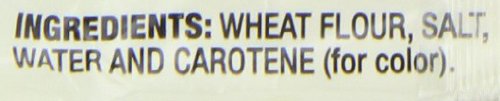
Crafted from high-quality ingredients, KA-ME Japanese Curly Noodles are made from wheat flour, salt, and water, ensuring a delicious and authentic taste without the frying process. This product is a great substitute for ramen noodles, making it perfect for a variety of dishes. The noodles come in a convenient case containing twelve 5-ounce packages, providing a total of 60 ounces of noodles that can be quickly prepared in just 2 minutes, allowing you to enjoy a wholesome meal in no time.
Key Features:- Case of twelve 5-ounce packages of Japanese curly noodles (60 total ounces).
- Made from high-quality wheat flour, salt, and water.
- Chuka soba noodles serve as a nutritious substitute for traditional ramen noodles.
- Non-fried noodles, contributing to a healthier meal option.
- Quick and easy preparation—ready in just 2 minutes.
- Product of Taiwan, ensuring the authenticity of Asian culinary traditions.
- Ideal for use in soups, stir-fries, and salads for a delightful taste experience.
KA-ME Japanese Curly Noodles are perfect for anyone looking to incorporate authentic Asian flavors into their meals without compromising on convenience. Whether youre a busy professional, a parent, or simply someone who loves the taste of Asian cuisine, these noodles will satisfy your cravings while providing a quick and nutritious meal option. Enjoy the rich culinary heritage of Asia with every bite.
Frequently Asked Questions
- Q: What are the main ingredients in Ka-Me Noodles? A: The primary ingredients are wheat flour, salt, and water. These ingredients create the unique texture and taste of Japanese curly noodles.
- Q: How big is each package of Ka-Me Noodles? A: Each package contains five ounces of noodles. The product is sold in packs of twelve, totaling sixty ounces.
- Q: Are Ka-Me Noodles gluten-free? A: No, Ka-Me Noodles are not gluten-free. They are made from wheat flour, which contains gluten.
- Q: How do I prepare Ka-Me Noodles? A: To prepare, simply boil for about two to three minutes. They can also be added directly to soups or stir-fries.
- Q: Can I microwave Ka-Me Noodles? A: Yes, you can microwave them. Just add water and microwave for about two minutes for a quick meal.
- Q: Are these noodles suitable for vegetarian diets? A: Yes, Ka-Me Noodles are suitable for vegetarian diets. They do not contain any animal products.
- Q: How should I store Ka-Me Noodles? A: Store them in a cool, dry place. Once opened, keep them in an airtight container to maintain freshness.
- Q: What is the shelf life of Ka-Me Noodles? A: The shelf life is typically around twelve months when stored properly. Always check the packaging for specific dates.
- Q: Do Ka-Me Noodles contain any preservatives? A: No, Ka-Me Noodles do not contain artificial preservatives. They focus on using high-quality, simple ingredients.
- Q: How do Ka-Me Noodles compare to traditional ramen? A: Ka-Me Noodles are not fried, making them a healthier alternative to traditional ramen noodles. They offer a unique texture as well.
- Q: Are Ka-Me Noodles safe for children? A: Yes, Ka-Me Noodles are safe for children. However, parental supervision is advised during cooking.
- Q: What makes Ka-Me Noodles authentic? A: Ka-Me Noodles use traditional Asian recipes and quality ingredients, which contribute to their authentic taste and texture.
- Q: Can I use Ka-Me Noodles in cold dishes? A: Yes, they can be used in cold dishes like salads. Make sure to rinse with cold water after cooking.
- Q: What is the origin of Ka-Me Noodles? A: Ka-Me Noodles are a product of Taiwan, made with traditional techniques to ensure quality and authenticity.
- Q: What type of cuisine do Ka-Me Noodles fit into? A: They fit into Asian cuisine, particularly Japanese dishes, and can be used in a variety of recipes.