

You will not be allowed to compare more than 4 products at a time
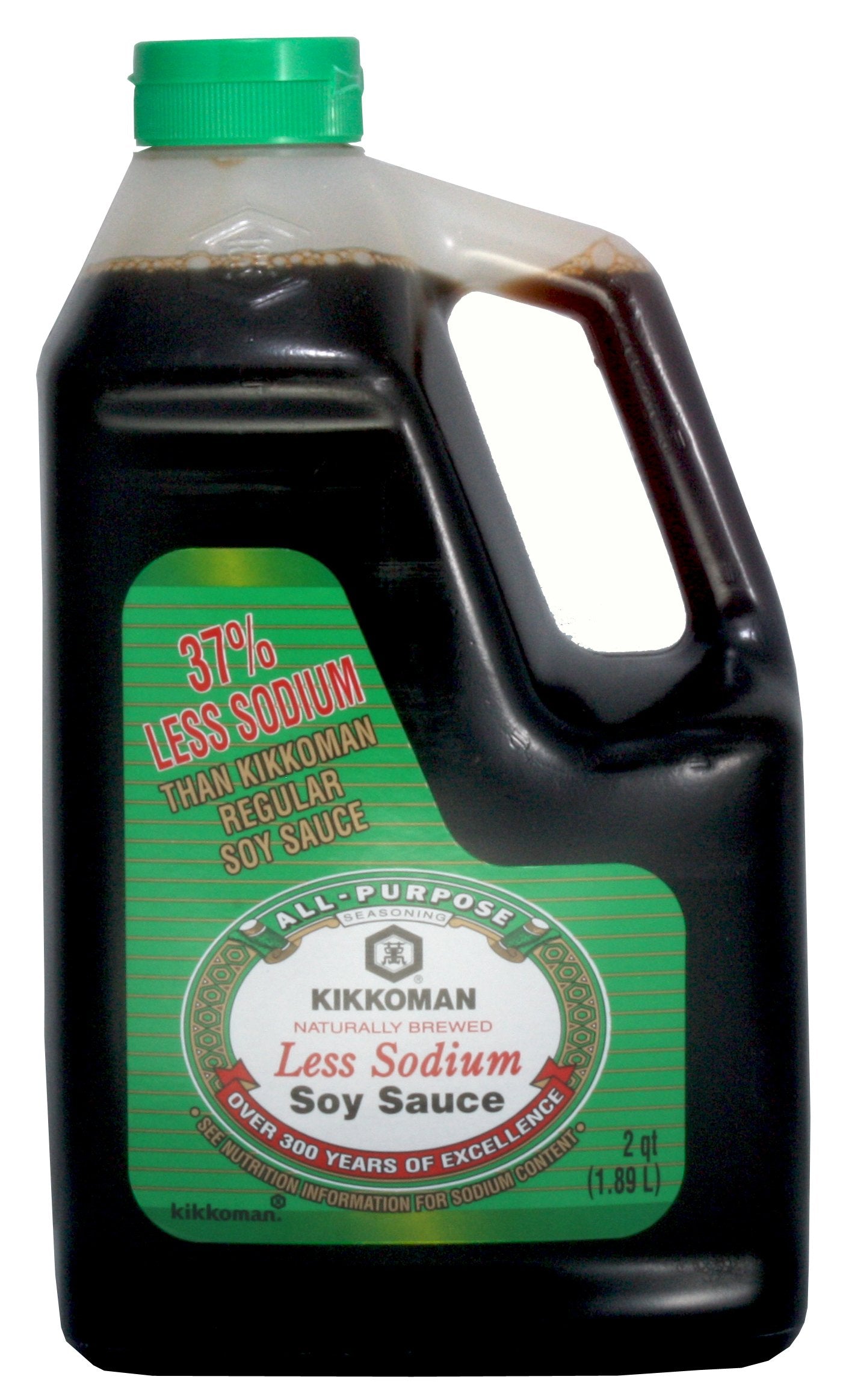
View compareKikkoman Lite Soy Sauce, 64-Ounce (Pack Of 6)
Kikkoman Lite Soy Sauce, 64-Ounce (Pack Of 6)
Out of stock
Regular price
$124.33
Sale price
$124.33
Regular price
$177.61
Unit price
per
Shipping calculated at checkout.
Sold by GroceryeShop — Fresh & quality products, delivered in USA.
Returns accepted within 30 days | support@groceryeshop.us
Shipping Information
- Free Standard Shipping — United States only
- Processing Time: 3–5 business days
- Estimated Delivery: 6–10 business days after dispatch
- Securely packed to ensure your purchase arrives in perfect condition
- Tracking number sent via email once dispatched
- Orders over $250 require signature upon delivery. Taxes calculated at checkout.
Returns & Refund
Returns accepted within 30 days of delivery.
Damaged or Defective Item
Free return shipping + replacement or full refund
Wrong Item Received
Free return shipping + replacement or full refund
Change of Mind
Return shipping at customer's expense · Item must be unused & in original packaging
All returns require a Return Authorization (RA) number before sending.
View Full Return & Refund Policy
Safety & Compliance
⚠️
California Proposition 65 Warning
Some products sold on this website may expose you to chemicals known to the State of California to cause cancer, birth defects, or other reproductive harm.
www.P65Warnings.ca.gov
🛒
General Product Safety Advisory
Always read the product label, instructions, and safety warnings before use. Do not use damaged or modified products. Store products in appropriate conditions as specified by the manufacturer.
Keep all products out of reach of children unless specifically designed for their use.
ℹ️
Product Authenticity & Notice
All products sold by GroceryeShop are 100% authentic, sourced directly from trusted suppliers across the USA. Product weights and packaging may vary slightly from images due to seasonal availability and supplier updates.
GroceryeShop — Fresh, Quality Groceries Delivered Nationwide.
Couldn't load pickup availability
Guarantee safe and secure checkout
Product Description
Kikkoman Soy Sauce Is Produced From Carefully Selected Ingredients: Its Fine Aroma Is Composed Of Roughly 300 Different Components, While Its Well-Balanced Mix Of The Five Basic Flavors Satisfies The Palate. Kikkoman Users Around The World Know That This Seasoning Enhances Not Only Asian Cuisines, But Western Dishes As Well. This Is Proven By The Fact That Kikkoman Soy Sauce Is Requested In More Than 100 Countries. Kikkoman Soy Sauce Is All Purpose Seasoning. Lite Soy Sauce Contains 37% Less Sodium.
Frequently Asked Questions
- Q: What is the size of the Kikkoman Lite Soy Sauce pack? A: The Kikkoman Lite Soy Sauce comes in a sixty-four ounce pack of six. This makes it a convenient option for families or frequent cooks.
- Q: What ingredients are in Kikkoman Lite Soy Sauce? A: Kikkoman Lite Soy Sauce is made from carefully selected ingredients, including soybeans and wheat. It contains thirty-seven percent less sodium than regular soy sauce.
- Q: Is Kikkoman Lite Soy Sauce gluten-free? A: No, Kikkoman Lite Soy Sauce is not gluten-free. It contains wheat, which may not be suitable for individuals with gluten sensitivities.
- Q: How can I use Kikkoman Lite Soy Sauce in cooking? A: You can use Kikkoman Lite Soy Sauce as a seasoning for a variety of dishes. It enhances flavors in marinades, dressings, and sauces.
- Q: Is Kikkoman Lite Soy Sauce suitable for all cuisines? A: Yes, Kikkoman Lite Soy Sauce is versatile and complements both Asian and Western cuisines. It can be used in a wide range of recipes.
- Q: Can I use Kikkoman Lite Soy Sauce for salad dressings? A: Yes, Kikkoman Lite Soy Sauce is ideal for salad dressings. Its clean, delicate flavor enhances the overall taste of dressings.
- Q: How should I store Kikkoman Lite Soy Sauce? A: Store Kikkoman Lite Soy Sauce in a cool, dry place. After opening, it's best to refrigerate it to maintain its flavor.
- Q: What is the shelf life of Kikkoman Lite Soy Sauce? A: Kikkoman Lite Soy Sauce has a shelf life of about two to three years when unopened. Once opened, it’s best used within six months for optimal flavor.
- Q: Is Kikkoman Lite Soy Sauce safe for kids? A: Yes, Kikkoman Lite Soy Sauce is safe for kids when used in moderation. However, be mindful of sodium content, as it still contains salt.
- Q: How does Kikkoman Lite Soy Sauce compare to regular soy sauce? A: Kikkoman Lite Soy Sauce contains thirty-seven percent less sodium than regular soy sauce. It offers a lighter flavor suitable for those watching their sodium intake.
- Q: Is Kikkoman Lite Soy Sauce better for health than regular soy sauce? A: Yes, Kikkoman Lite Soy Sauce is a healthier option due to its reduced sodium content. It allows for flavor enhancement without excessive salt.
- Q: Can Kikkoman Lite Soy Sauce be used in cooking Asian dishes? A: Yes, Kikkoman Lite Soy Sauce is perfect for Asian dishes. It adds depth and flavor to stir-fries, marinades, and sushi.
- Q: What should I do if Kikkoman Lite Soy Sauce arrives damaged? A: If Kikkoman Lite Soy Sauce arrives damaged, contact the retailer for a return or replacement. Most sellers have policies to address such issues.
- Q: Is there a specific way to open Kikkoman Lite Soy Sauce? A: Simply twist off the cap of Kikkoman Lite Soy Sauce to open it. Ensure you store it properly after opening.
- Q: How can I tell if Kikkoman Lite Soy Sauce has gone bad? A: If Kikkoman Lite Soy Sauce develops an off smell or unusual color, it may have gone bad. Discard it if you notice these changes.
- Q: Can Kikkoman Lite Soy Sauce be used as a marinade? A: Yes, Kikkoman Lite Soy Sauce is excellent as a marinade for meats and vegetables. It enhances flavor while adding a hint of saltiness.
- Q: Is Kikkoman Lite Soy Sauce suitable for vegan diets? A: Yes, Kikkoman Lite Soy Sauce is suitable for vegan diets. It contains no animal products and is certified kosher.
- Q: What is the best way to apply Kikkoman Lite Soy Sauce in recipes? A: The best way to apply Kikkoman Lite Soy Sauce is to add it gradually, tasting as you go. This helps achieve the desired flavor without overpowering the dish.