

You will not be allowed to compare more than 4 products at a time
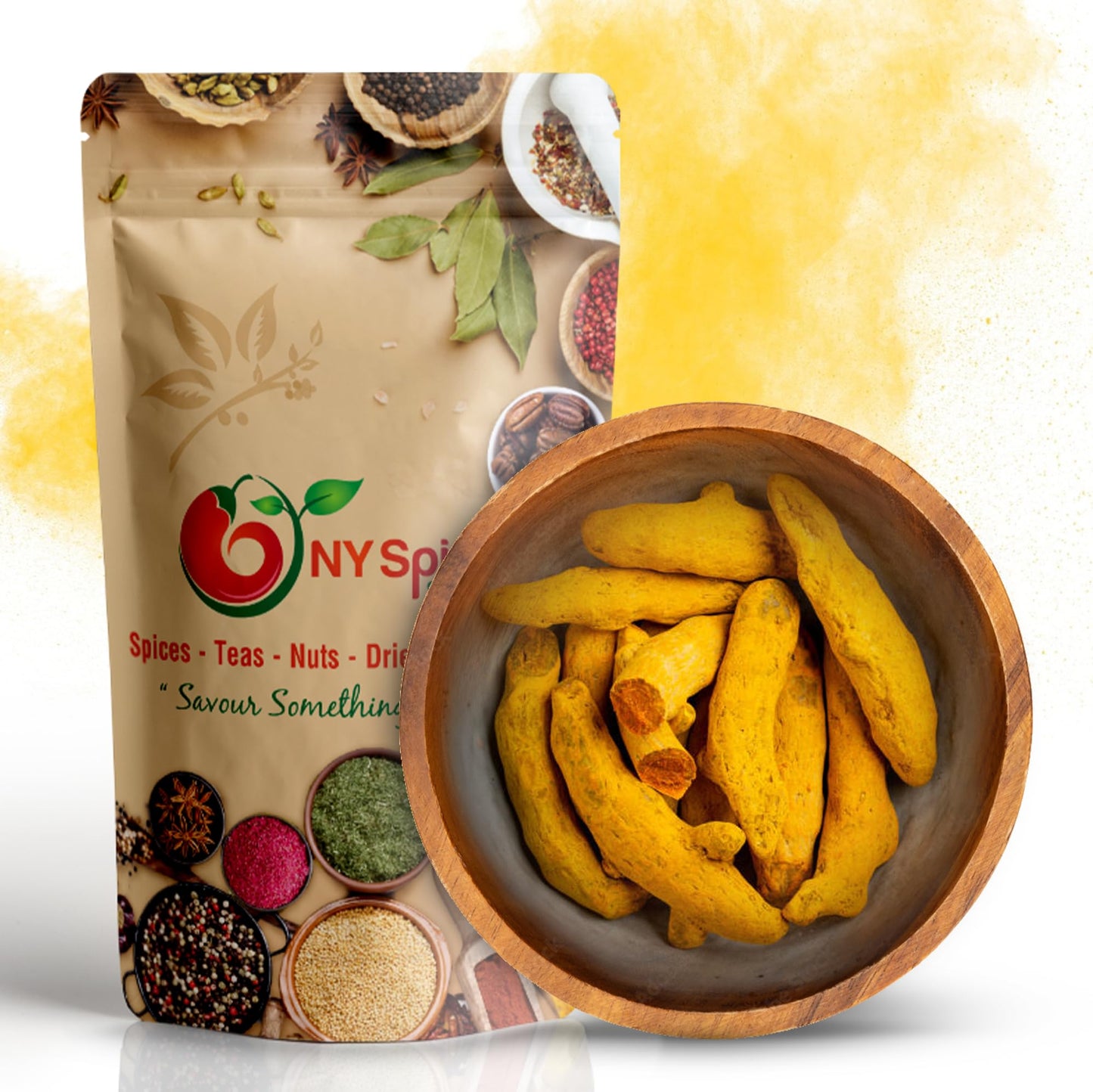
View compareNy Spice Shop Turmeric Root Whole - Whole Raw Roots - Natural Haldi Spice - Naturally Grown Dried Pure Yellow Turmeric Sticks -
Ny Spice Shop Turmeric Root Whole - Whole Raw Roots - Natural Haldi Spice - Naturally Grown Dried Pure Yellow Turmeric Sticks -
Out of stock
Regular price
$102.22
Sale price
$102.22
Regular price
$146.03
Unit price
per
Shipping calculated at checkout.
Sold by GroceryeShop — Fresh & quality products, delivered in USA.
Returns accepted within 30 days | support@groceryeshop.us
Shipping Information
- Free Standard Shipping — United States only
- Processing Time: 3–5 business days
- Estimated Delivery: 6–10 business days after dispatch
- Securely packed to ensure your purchase arrives in perfect condition
- Tracking number sent via email once dispatched
- Orders over $250 require signature upon delivery. Taxes calculated at checkout.
Returns & Refund
Returns accepted within 30 days of delivery.
Damaged or Defective Item
Free return shipping + replacement or full refund
Wrong Item Received
Free return shipping + replacement or full refund
Change of Mind
Return shipping at customer's expense · Item must be unused & in original packaging
All returns require a Return Authorization (RA) number before sending.
View Full Return & Refund Policy
Safety & Compliance
⚠️
California Proposition 65 Warning
Some products sold on this website may expose you to chemicals known to the State of California to cause cancer, birth defects, or other reproductive harm.
www.P65Warnings.ca.gov
🛒
General Product Safety Advisory
Always read the product label, instructions, and safety warnings before use. Do not use damaged or modified products. Store products in appropriate conditions as specified by the manufacturer.
Keep all products out of reach of children unless specifically designed for their use.
ℹ️
Product Authenticity & Notice
All products sold by GroceryeShop are 100% authentic, sourced directly from trusted suppliers across the USA. Product weights and packaging may vary slightly from images due to seasonal availability and supplier updates.
GroceryeShop — Fresh, Quality Groceries Delivered Nationwide.
Couldn't load pickup availability
Guarantee safe and secure checkout
Product Description
Turmeric Root Whole: Turmeric Is A Perennial Plant That Is Native To South Asia And Is Now Widely Cultivated Throughout The Tropics. Turmeric Root, In The Middle Of Its Growth, Refers To The Complete Root Of The Turmeric, Which Is A Member Of The Ginger Family. Is A Commonly Used Spice In Cooking, Particularly In Indian And Southeast Asian Cuisine, And Is Known For Its Vibrant Yellow Color And Distinctive Flavor. | Versatile Uses Of Turmeric Roots: Turmeric Roots Are Important In South And Southeast Asian Dishes, Adding Flavor, Color, And Aroma. They Have A Slightly Bitter, Earthy Taste And A Warm, Pungent Smell. Clean And Peel The Roots Before Grating, Slicing, Or Chopping For Cooking. Use Them Fresh Or Dried In Various Recipes. | Turmeric Delights - Ny Spice Shop Genuine Turmeric Root And Whole Turmeric Add Rich Flavor To Your Kitchen. The Turmeric Powder Is Easy To Store With A Dual Sifter For Convenience. Enjoy The Fresh Aroma Of Homemade Cooking Spices In Our Blends, Enhancing The Taste Of Your Home-Cooked Dishes. | Preserving Fresh Turmeric - Freeze Fresh Turmeric Root By Peeling, Grating, Or Chopping It, Then Store In An Airtight Container In The Freezer To Prevent Spoilage Or Loss Of Potency, Avoiding Direct Sunlight And Moisture. | Nature'S Goodness - Pure And Natural, Our Entire Turmeric Roots Are 100% Natural With No Preservatives. The Yellow Color Is Natural, Derived From The Turmeric Plant, Which Contains Cur-Cumin, Making It A Natural, Plant-Based Ingredient.''
Frequently Asked Questions
- Q: What is the size of the turmeric root package? A: The turmeric root package contains five pounds of whole raw turmeric roots, providing ample quantity for various culinary uses.
- Q: Is this turmeric root organic? A: Yes, the turmeric roots are naturally grown and contain no preservatives, ensuring a pure and natural spice.
- Q: What are the key ingredients in this turmeric product? A: The key ingredient is whole turmeric root, which is known for its vibrant yellow color and distinctive flavor.
- Q: How do I use turmeric roots in cooking? A: You can use turmeric roots by cleaning and peeling them before grating, slicing, or chopping for your recipes.
- Q: Can I use turmeric roots fresh or dried? A: Yes, turmeric roots can be used both fresh and dried, making them versatile for various dishes.
- Q: What are some common dishes that use turmeric roots? A: Turmeric roots are commonly used in South and Southeast Asian dishes, adding flavor, color, and aroma to meals.
- Q: How should I store fresh turmeric roots? A: To store fresh turmeric, peel, grate, or chop it, then place it in an airtight container in the freezer to maintain freshness.
- Q: What is the shelf life of dried turmeric roots? A: Dried turmeric roots can last for a long time when stored in a cool, dark place, away from moisture and sunlight.
- Q: Is turmeric root safe for everyone to consume? A: Yes, turmeric root is generally safe for most people to consume, but it's advisable to consult with a healthcare professional if you have specific health concerns.
- Q: How does turmeric root compare to turmeric powder? A: Turmeric root offers a fresher flavor and more intense aroma compared to turmeric powder, which is more convenient for cooking.
- Q: Can I freeze turmeric roots for long-term storage? A: Yes, you can freeze turmeric roots after preparing them to prevent spoilage and maintain their potency.
- Q: What if the turmeric roots arrive damaged? A: If the turmeric roots arrive damaged, please contact customer support for assistance with returns or replacements.
- Q: Is there a return policy for turmeric root purchases? A: Yes, there is a return policy in place. Please refer to the product's return guidelines for detailed information.
- Q: How do I know if the turmeric root is fresh? A: Fresh turmeric roots should have a firm texture and a vibrant yellow color. Avoid roots that are soft or have dark spots.
- Q: Are there any allergens associated with turmeric root? A: Turmeric root is generally considered hypoallergenic, but it is always best to check for any personal allergies before use.
- Q: Can I use turmeric roots for medicinal purposes? A: Yes, turmeric roots are often used for their potential health benefits, including anti-inflammatory properties, but consult a healthcare provider for advice.