


You will not be allowed to compare more than 4 products at a time
View compareOrganic Mung Beans, 1 Pound - Non-Gmo, Whole Dried Beans, Green Gram, Sproutable, Kosher, Vegan, Sirtfood, Bulk. Good Source Of Fiber, Protein, Folate. Goes Well With Asian, Middle East Dishes.
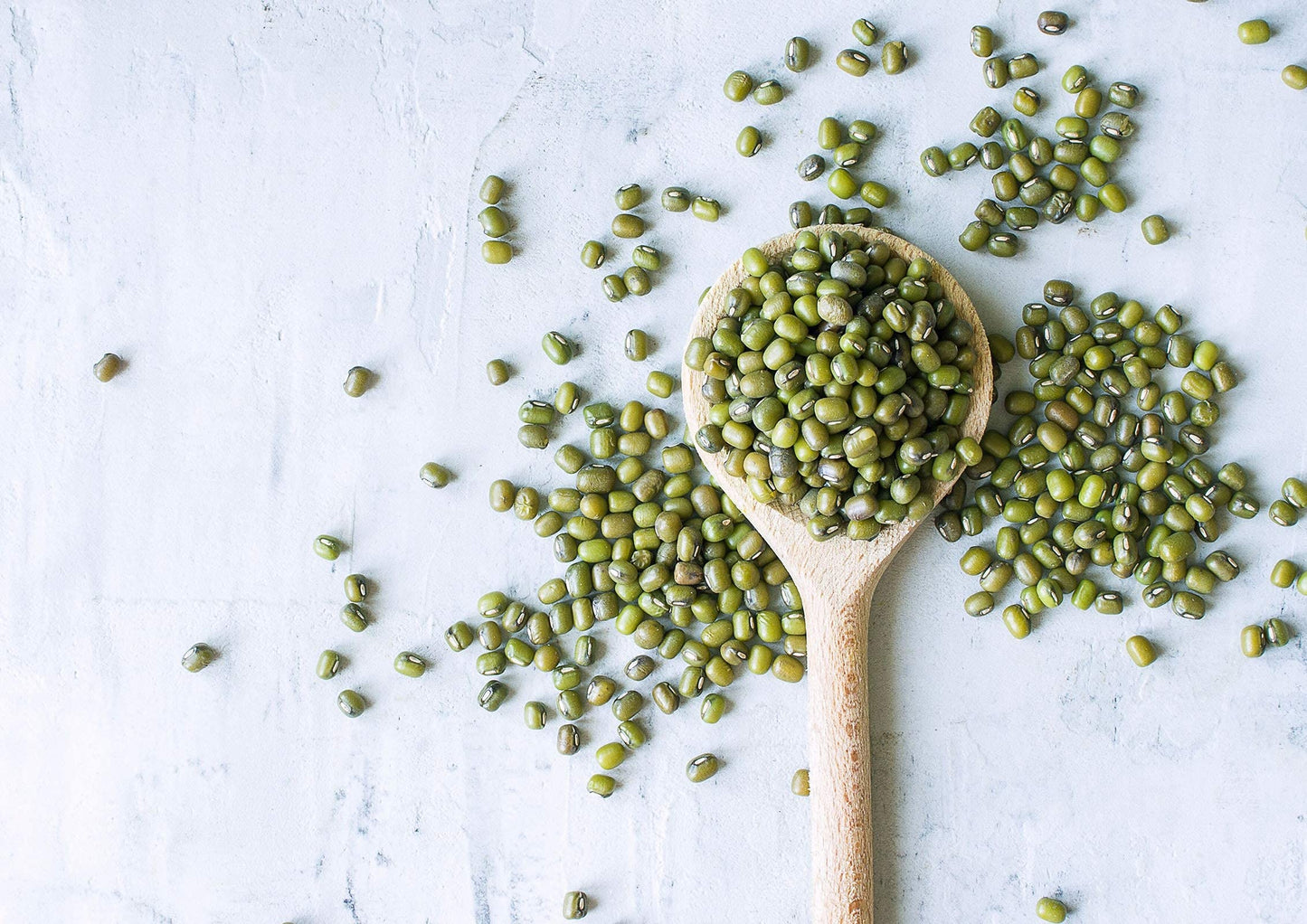
Organic Mung Beans, 1 Pound - Non-Gmo, Whole Dried Beans, Green Gram, Sproutable, Kosher, Vegan, Sirtfood, Bulk. Good Source Of Fiber, Protein, Folate. Goes Well With Asian, Middle East Dishes.
Out of stock
Regular price
$14.46
Sale price
$14.46
Regular price
$20.66
Unit price
per
Shipping calculated at checkout.
Sold by GroceryeShop — Fresh & quality products, delivered in USA.
Returns accepted within 30 days | support@groceryeshop.us
Shipping Information
- Free Standard Shipping — United States only
- Processing Time: 3–5 business days
- Estimated Delivery: 6–10 business days after dispatch
- Securely packed to ensure your purchase arrives in perfect condition
- Tracking number sent via email once dispatched
- Orders over $250 require signature upon delivery. Taxes calculated at checkout.
Returns & Refund
Returns accepted within 30 days of delivery.
Damaged or Defective Item
Free return shipping + replacement or full refund
Wrong Item Received
Free return shipping + replacement or full refund
Change of Mind
Return shipping at customer's expense · Item must be unused & in original packaging
All returns require a Return Authorization (RA) number before sending.
View Full Return & Refund Policy
Safety & Compliance
⚠️
California Proposition 65 Warning
Some products sold on this website may expose you to chemicals known to the State of California to cause cancer, birth defects, or other reproductive harm.
www.P65Warnings.ca.gov
🛒
General Product Safety Advisory
Always read the product label, instructions, and safety warnings before use. Do not use damaged or modified products. Store products in appropriate conditions as specified by the manufacturer.
Keep all products out of reach of children unless specifically designed for their use.
ℹ️
Product Authenticity & Notice
All products sold by GroceryeShop are 100% authentic, sourced directly from trusted suppliers across the USA. Product weights and packaging may vary slightly from images due to seasonal availability and supplier updates.
GroceryeShop — Fresh, Quality Groceries Delivered Nationwide.
Couldn't load pickup availability
Guarantee safe and secure checkout


Product Description
Mung Beans Plant: History & Botanical Facts Mung beans, also called moong dal or green gram, are a species of legume that makes its family proud. They are nutritious, easy to cook, and very good for you. The mung bean plant has been known to and used by humans for over 4000 years. It was first domesticated in Ancient Persia (contemporary Iran) and India. From there, mung bean seeds traveled to China, where they become one of the staple ingredients in the local cuisine. Mung beans have many names in different cultures and almost as many uses. The practitioners of Chinese herbal medicine used the vegetation of the plant in their recipes. Mung beans also are an important food in the Ayurvedic diet. For an average American, these beans are a way to improve their wellbeing by complementing their meal plan with a serving of legumes. They can be used in many dishes, so everyone can find a way to enjoy this healthy food. Reasons Why Food To Live Organic Mung Beans Are Good for You Legumes are an essential part of a healthy well-balanced diet regardless of whether you are a vegan or an omnivore. Mung beans are a great example of their species because their benefits include but aren't limited to: High nutrient density. A cup of cooked mung beans provides you with the recommended daily amount of folate, as well as zinc (25% RDA), magnesium (36% RDA) and many other essential vitamins and minerals. High fiber content. There are 15 grams of dietary fiber in one serving of mung beans. This element promotes normal digestion and helps remove toxins from your body. Antioxidants.
Frequently Asked Questions
- Q: What is the size of the Organic Mung Beans package? A: The package contains one pound of Organic Mung Beans. This is ideal for various culinary uses and sprouting.
- Q: Are the Organic Mung Beans Non-GMO? A: Yes, these Organic Mung Beans are Non-GMO. They are cultivated without genetic modifications, ensuring a natural product.
- Q: What nutrients do Organic Mung Beans provide? A: Organic Mung Beans are a good source of protein, fiber, and folate. They also contain essential vitamins and minerals, promoting overall health.
- Q: How should I cook Organic Mung Beans? A: To cook Organic Mung Beans, soak them in water for several hours, then boil them for about thirty minutes. They can be added to soups, salads, or stir-fries.
- Q: Can I sprout Organic Mung Beans? A: Yes, you can sprout Organic Mung Beans easily. They have a high germination rate, making them perfect for healthy sprouts in salads or sandwiches.
- Q: Are Organic Mung Beans suitable for vegans? A: Yes, Organic Mung Beans are vegan-friendly. They are plant-based and provide excellent protein and fiber without any animal products.
- Q: How should I store Organic Mung Beans? A: Store Organic Mung Beans in a cool, dry place in an airtight container. This helps maintain their freshness and prevents moisture absorption.
- Q: What is the shelf life of Organic Mung Beans? A: Organic Mung Beans have a shelf life of up to two years when stored properly. Keep them in a sealed container to extend their freshness.
- Q: Are there any allergens in Organic Mung Beans? A: No, Organic Mung Beans do not contain common allergens. They are free from gluten, nuts, and dairy, making them a safe choice for many diets.
- Q: How do Organic Mung Beans compare to other beans? A: Organic Mung Beans are lower in calories and higher in protein compared to many other beans. They are also rich in folate and antioxidants.
- Q: Can I use Organic Mung Beans in sweet dishes? A: Yes, Organic Mung Beans can be used in sweet dishes. They can be blended into desserts or made into sweet porridge for a nutritious treat.
- Q: What are the health benefits of eating Mung Beans? A: Eating Mung Beans can improve digestion, support heart health, and provide antioxidants. Their high fiber content aids in detoxifying the body.
- Q: What dishes can I make with Organic Mung Beans? A: You can make a variety of dishes, including soups, salads, stir-fries, and curries. They are versatile and can complement many cuisines.
- Q: Are Organic Mung Beans kosher? A: Yes, Organic Mung Beans are certified kosher. They meet the dietary regulations for kosher foods, making them suitable for kosher diets.
- Q: How do I know if my Mung Beans are fresh? A: Fresh Organic Mung Beans should have a firm texture and a bright green color. Avoid beans that are discolored or have an off smell.