


You will not be allowed to compare more than 4 products at a time
View compareOrganic Saffron - Banu Saffron Award Winning All Red Certified Organic Saffron Threads - 2 Gram (0.07 Ounce)
Organic Saffron - Banu Saffron Award Winning All Red Certified Organic Saffron Threads - 2 Gram (0.07 Ounce)
Out of stock
Regular price
$24.93
Sale price
$24.93
Regular price
$35.61
Unit price
per
Shipping calculated at checkout.
Sold by GroceryeShop — Fresh & quality products, delivered in USA.
Returns accepted within 30 days | support@groceryeshop.us
Shipping Information
- Free Standard Shipping — United States only
- Processing Time: 3–5 business days
- Estimated Delivery: 6–10 business days after dispatch
- Securely packed to ensure your purchase arrives in perfect condition
- Tracking number sent via email once dispatched
- Orders over $250 require signature upon delivery. Taxes calculated at checkout.
Returns & Refund
Returns accepted within 30 days of delivery.
Damaged or Defective Item
Free return shipping + replacement or full refund
Wrong Item Received
Free return shipping + replacement or full refund
Change of Mind
Return shipping at customer's expense · Item must be unused & in original packaging
All returns require a Return Authorization (RA) number before sending.
View Full Return & Refund Policy
Safety & Compliance
⚠️
California Proposition 65 Warning
Some products sold on this website may expose you to chemicals known to the State of California to cause cancer, birth defects, or other reproductive harm.
www.P65Warnings.ca.gov
🛒
General Product Safety Advisory
Always read the product label, instructions, and safety warnings before use. Do not use damaged or modified products. Store products in appropriate conditions as specified by the manufacturer.
Keep all products out of reach of children unless specifically designed for their use.
ℹ️
Product Authenticity & Notice
All products sold by GroceryeShop are 100% authentic, sourced directly from trusted suppliers across the USA. Product weights and packaging may vary slightly from images due to seasonal availability and supplier updates.
GroceryeShop — Fresh, Quality Groceries Delivered Nationwide.
Couldn't load pickup availability
Guarantee safe and secure checkout


Product Description
? Saffron Is A Spice Derived From The Flower Of Crocus Sativus, Commonly Known As ''Crocus Saffron''. ? The Bright Crimson Stigmas And Styles, Called Threads, Are Collected By Hands And Dried To Be Used Primarily As A Seasoning And Colouring In Food.&Nbsp; ? Saffron Is Long Among The Most Expensive And Desirable Spices In The World.&Nbsp; ? Premium Organic Certified Saffron Threads, All Red Threads Graded Cat A. ? To Get The Best Result, Pinch (Grind With Your Hand) A Few Strands Of Saffron And Mix In A Small Amount Of Warm Water, Wait 5-10Min Before Adding To The Food. For Tea, Just Add A Few Threads Directly Into The Tea And Let It Brew For A Few Minutes. ? A Little Amount Each Time Can Produce Great Aroma And Colors In Your Dish; So Even A Small Amount Should Last A While. ? Packaged In Glass Jars To Help Keep Saffron Fresh Longer And Away From Any Plastic That Could Affect The Scent.
Frequently Asked Questions
- Q: What is the size of the Organic Saffron package? A: The Organic Saffron package contains two grams, which is equivalent to zero point zero seven ounces.
- Q: What are the ingredients in Banu Saffron? A: The only ingredient in Banu Saffron is organic saffron threads, specifically the bright crimson stigmas of Crocus sativus.
- Q: What is the grading of the saffron threads? A: The saffron threads are graded category A, ensuring premium quality with all red threads and no waste.
- Q: How do I use Banu Saffron in cooking? A: To use Banu Saffron, pinch a few strands, grind them, and mix with warm water for five to ten minutes before adding to your dish.
- Q: Can I use saffron in tea? A: Yes, you can add a few saffron threads directly into the tea and let it brew for several minutes to enhance the flavor.
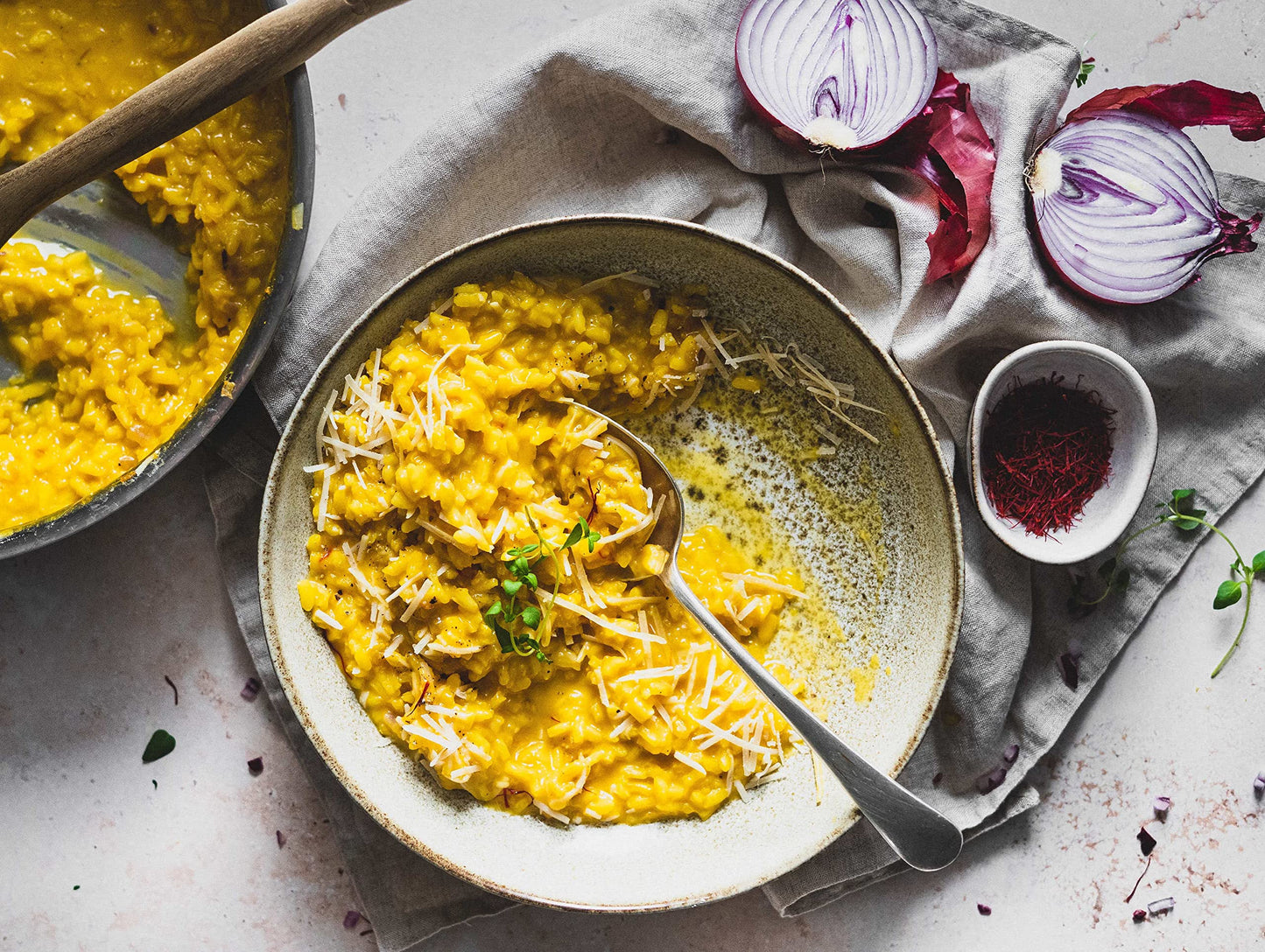
- Q: What dishes can I use saffron for? A: Banu Saffron is great for enhancing the flavor of dishes like rice, paella, risotto, chicken, and curries.
- Q: How should I store my saffron? A: Store your saffron in a cool, dry place, ideally in the glass jar it comes in, to maintain freshness and aroma.
- Q: Does saffron have a long shelf life? A: Yes, if stored properly in a glass jar away from light and moisture, saffron can last for several years.
- Q: Is Banu Saffron safe for consumption? A: Yes, Banu Saffron is safe for consumption and is certified organic, ensuring it is free from harmful chemicals.
- Q: How do I keep saffron fresh for longer? A: To keep saffron fresh, avoid exposure to plastic and store it in the original glass jar, away from heat and light.
- Q: Is this saffron suitable for special diets? A: Yes, Banu Saffron is organic and free from gluten, making it suitable for various dietary needs.
- Q: How can I tell if saffron is of good quality? A: High-quality saffron should have vibrant red threads with a strong aroma; Banu Saffron is graded category A for this reason.
- Q: Are there any allergens in Banu Saffron? A: Banu Saffron contains no allergens, as it is made solely from organic saffron threads.
- Q: How much saffron should I use in a recipe? A: A small pinch, typically around five to ten threads, is enough to flavor a dish, as saffron is very potent.
- Q: What makes Banu Saffron award-winning? A: Banu Saffron has won awards for its outstanding taste and quality, recognized for its exceptional flavor profile.