


You will not be allowed to compare more than 4 products at a time
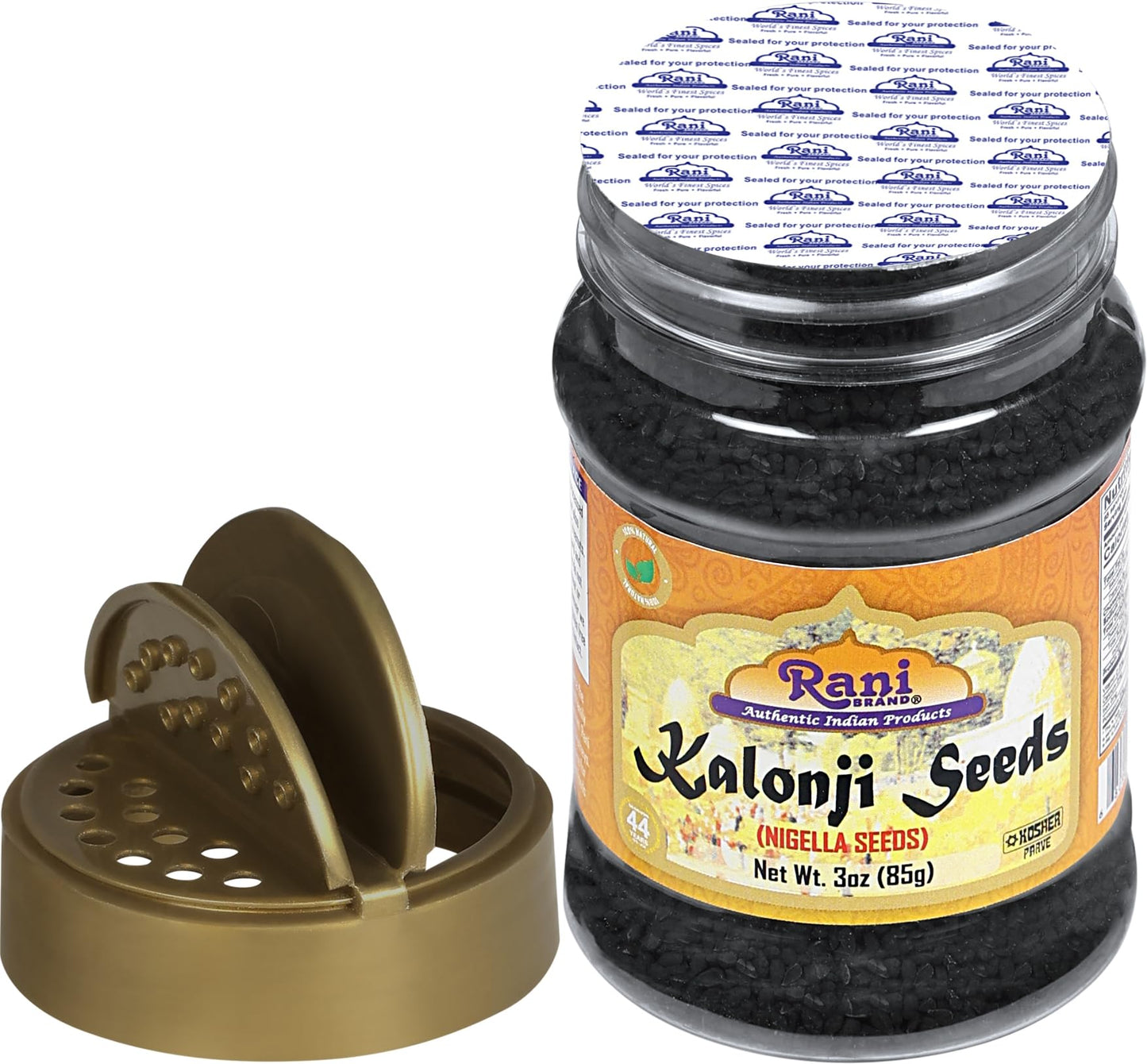
View compareRani Kalonji (Black Seed, Nigella Sativa, Black Cumin) Seeds 3Oz (85G) Pet Jar ~ All Natural | Gluten Friendly | Non-Gmo | Kosher | Vegan | Indian Origin
Rani Kalonji (Black Seed, Nigella Sativa, Black Cumin) Seeds 3Oz (85G) Pet Jar ~ All Natural | Gluten Friendly | Non-Gmo | Kosher | Vegan | Indian Origin
Out of stock
Regular price
$10.51
Sale price
$10.51
Regular price
$15.01
Unit price
per
Shipping calculated at checkout.
Sold by GroceryeShop — Fresh & quality products, delivered in USA.
Returns accepted within 30 days | support@groceryeshop.us
Shipping Information
- Free Standard Shipping — United States only
- Processing Time: 3–5 business days
- Estimated Delivery: 6–10 business days after dispatch
- Securely packed to ensure your purchase arrives in perfect condition
- Tracking number sent via email once dispatched
- Orders over $250 require signature upon delivery. Taxes calculated at checkout.
Returns & Refund
Returns accepted within 30 days of delivery.
Damaged or Defective Item
Free return shipping + replacement or full refund
Wrong Item Received
Free return shipping + replacement or full refund
Change of Mind
Return shipping at customer's expense · Item must be unused & in original packaging
All returns require a Return Authorization (RA) number before sending.
View Full Return & Refund Policy
Safety & Compliance
⚠️
California Proposition 65 Warning
Some products sold on this website may expose you to chemicals known to the State of California to cause cancer, birth defects, or other reproductive harm.
www.P65Warnings.ca.gov
🛒
General Product Safety Advisory
Always read the product label, instructions, and safety warnings before use. Do not use damaged or modified products. Store products in appropriate conditions as specified by the manufacturer.
Keep all products out of reach of children unless specifically designed for their use.
ℹ️
Product Authenticity & Notice
All products sold by GroceryeShop are 100% authentic, sourced directly from trusted suppliers across the USA. Product weights and packaging may vary slightly from images due to seasonal availability and supplier updates.
GroceryeShop — Fresh, Quality Groceries Delivered Nationwide.
Couldn't load pickup availability
Guarantee safe and secure checkout


Product Description
Kalonji (sometimes spelled Kaloonji or Kalongi),better known as Nigella Seeds (and/or Onion Seeds)....A Little History!
Indigenous to Western Asia, Southern Europe and the Middle East, nigell is most widely cultivated in India. Often refereed to as onion seeds, kalongi is both nutty and slightly bitter in flavor. The whole seeds are used in pulses, vegetables, chutneys and naan breads, often dry roasted before being added to a dish.
Have not Cooked with it before? RECIPE:
Tomato Curry Cook time: 20 minutes Prep time: 10 minutes
Serving size: 4 Heat level: Medium
14oz can tomatoes
1 tsp chopped ginger
2 cloves garlic chopped
1 tsp. Rani Chili Powder
1 tsp. salt
1 tsp. Rani Coriander powder
½ tsp Rani Cumin Powder
4 tbsp. vegetable or olive oil
½ tsp. Rani Kalongi (onion) seeds
½ tsp. Rani Mustard Seeds
½ tsp. Rani Fenugreek seeds
3 dried red chillies
2 tbsp. fresh lemon juice
3 hard boiled eggs
Method:
In a large mixing bowel add tomatoes, ginger, garlic, chili powder, salt coriander, cumin and blend. In sauce pan heat oil and add kalongi, mustard, fenugreek seeds, stir fry for 1 minute. Add tomato mixture to sauté pan and stir fry for about 3 minutes and reduce heat, cover and cook for 7-10min. Stir frequently. Remove from heat. Cut hard boiled eggs into quarters. Add eggs and lemon juice to sauce. Garnish with cilantro if desired.
Indigenous to Western Asia, Southern Europe and the Middle East, nigell is most widely cultivated in India. Often refereed to as onion seeds, kalongi is both nutty and slightly bitter in flavor. The whole seeds are used in pulses, vegetables, chutneys and naan breads, often dry roasted before being added to a dish.
Have not Cooked with it before? RECIPE:
Tomato Curry Cook time: 20 minutes Prep time: 10 minutes
Serving size: 4 Heat level: Medium
14oz can tomatoes
1 tsp chopped ginger
2 cloves garlic chopped
1 tsp. Rani Chili Powder
1 tsp. salt
1 tsp. Rani Coriander powder
½ tsp Rani Cumin Powder
4 tbsp. vegetable or olive oil
½ tsp. Rani Kalongi (onion) seeds
½ tsp. Rani Mustard Seeds
½ tsp. Rani Fenugreek seeds
3 dried red chillies
2 tbsp. fresh lemon juice
3 hard boiled eggs
Method:
In a large mixing bowel add tomatoes, ginger, garlic, chili powder, salt coriander, cumin and blend. In sauce pan heat oil and add kalongi, mustard, fenugreek seeds, stir fry for 1 minute. Add tomato mixture to sauté pan and stir fry for about 3 minutes and reduce heat, cover and cook for 7-10min. Stir frequently. Remove from heat. Cut hard boiled eggs into quarters. Add eggs and lemon juice to sauce. Garnish with cilantro if desired.
Frequently Asked Questions
- Q: What are the ingredients in Rani Kalonji Seeds? A: The only ingredient is Kalonji seeds, also known as Nigella Sativa or black cumin. They are gluten-friendly, non-GMO, and kosher.
- Q: How much does a jar of Rani Kalonji Seeds weigh? A: The jar contains three ounces, which is approximately eighty-five grams. This size is ideal for various culinary uses.
- Q: What is the packaging for Rani Kalonji Seeds? A: Rani Kalonji Seeds are packed in a no barrier plastic jar. This packaging helps maintain freshness and protects the seeds from moisture.
- Q: How do I use Rani Kalonji Seeds in cooking? A: You can use Kalonji seeds in various dishes like curries, chutneys, and breads. They are often dry roasted before adding to recipes.
- Q: What is a simple recipe using Rani Kalonji Seeds? A: A simple recipe is Tomato Curry, which takes about twenty minutes to cook. It uses tomatoes, ginger, garlic, and one-half teaspoon of Kalonji seeds.
- Q: Are Rani Kalonji Seeds suitable for beginners in cooking? A: Yes, Rani Kalonji Seeds are suitable for beginners. They can enhance the flavor of many dishes without complicated preparation.
- Q: What is the shelf life of Rani Kalonji Seeds? A: Rani Kalonji Seeds have a shelf life of up to two years when stored properly. Keep them in a cool, dry place away from direct sunlight.
- Q: How should I store Rani Kalonji Seeds? A: Store Rani Kalonji Seeds in a sealed container in a cool, dry place. This helps preserve their flavor and freshness.
- Q: Are Rani Kalonji Seeds safe for people with gluten allergies? A: Yes, Rani Kalonji Seeds are gluten-friendly and safe for individuals with gluten allergies. They contain no gluten or wheat products.
- Q: How do Rani Kalonji Seeds compare to other spices? A: Rani Kalonji Seeds offer a unique nutty and slightly bitter flavor, distinguishing them from other spices like cumin or coriander.
- Q: Can I use Rani Kalonji Seeds for health benefits? A: Yes, Kalonji seeds are known for their potential health benefits, including antioxidant properties and digestive support.
- Q: Is Rani Kalonji Seeds a good choice for vegan diets? A: Yes, Rani Kalonji Seeds are vegan-friendly. They are made from all-natural ingredients with no animal products.
- Q: What if my Rani Kalonji Seeds arrive damaged? A: If your Rani Kalonji Seeds arrive damaged, contact customer support for a replacement or refund. They prioritize customer satisfaction.
- Q: Are there any allergens in Rani Kalonji Seeds? A: No, Rani Kalonji Seeds do not contain common allergens like nuts, dairy, or soy. They are a safe option for most diets.
- Q: Can Rani Kalonji Seeds be used in baking? A: Yes, Rani Kalonji Seeds can be used in baking, especially in bread recipes like naan, adding a unique flavor.