


You will not be allowed to compare more than 4 products at a time
View compareRani Samo Seeds Whole (Japanese Barnyard Millet / Jungle Rice/Moriyo/ Samak Rice) Echinochloa Frumentacea 14Oz (400G) ~ All Natural | Vegan | Gluten Friendly | Non-Gmo | Indian Origin
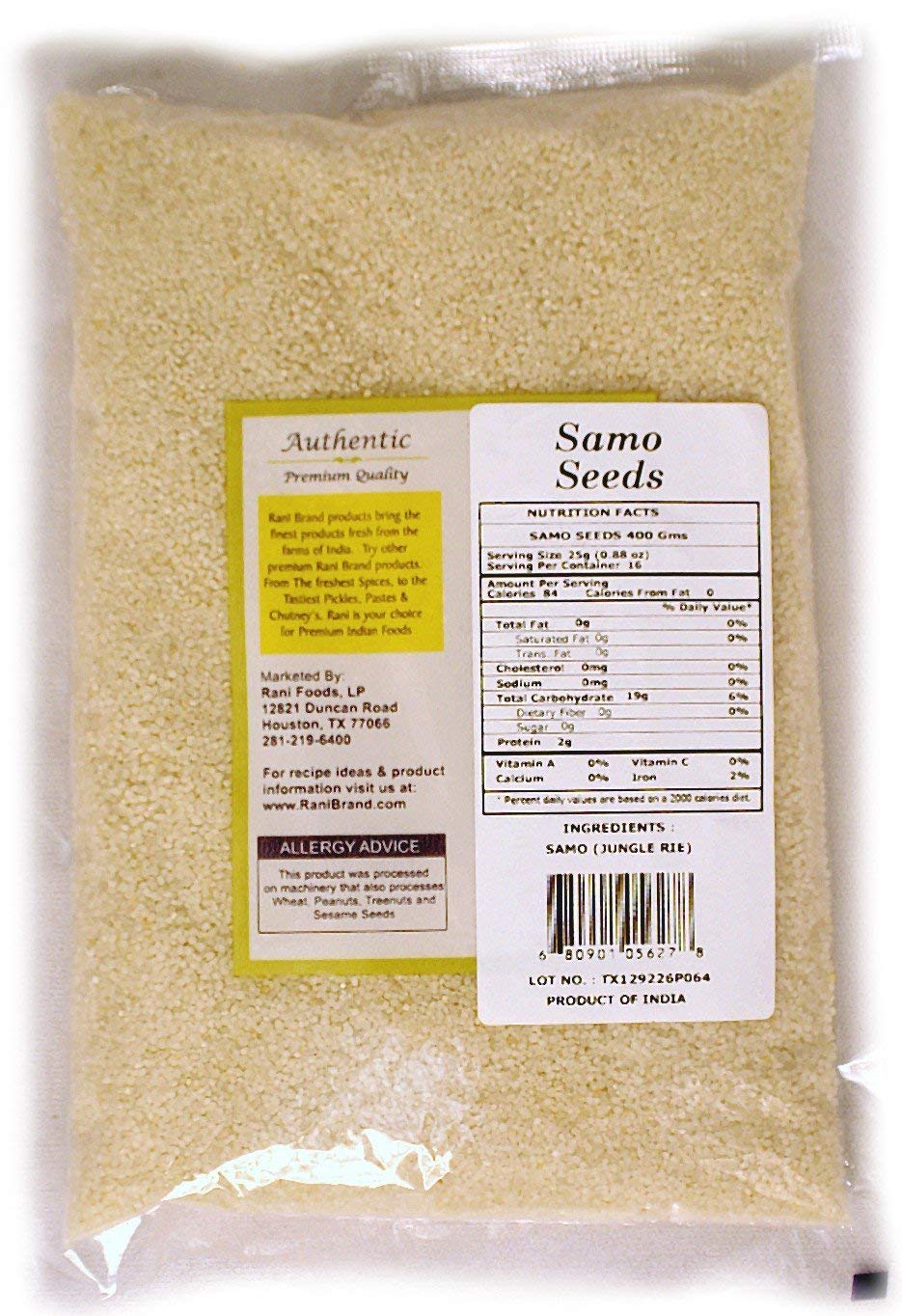
Rani Samo Seeds Whole (Japanese Barnyard Millet / Jungle Rice/Moriyo/ Samak Rice) Echinochloa Frumentacea 14Oz (400G) ~ All Natural | Vegan | Gluten Friendly | Non-Gmo | Indian Origin
Hurry! Only left 1 in stock
Regular price
$25.89
Sale price
$25.89
Regular price
$25.89
Unit price
per
Shipping calculated at checkout.
Sold by GroceryeShop — Fresh & quality products, delivered in USA.
Returns accepted within 30 days | support@groceryeshop.us
Shipping Information
- Free Standard Shipping — United States only
- Processing Time: 3–5 business days
- Estimated Delivery: 6–10 business days after dispatch
- Securely packed to ensure your purchase arrives in perfect condition
- Tracking number sent via email once dispatched
- Orders over $250 require signature upon delivery. Taxes calculated at checkout.
Returns & Refund
Returns accepted within 30 days of delivery.
Damaged or Defective Item
Free return shipping + replacement or full refund
Wrong Item Received
Free return shipping + replacement or full refund
Change of Mind
Return shipping at customer's expense · Item must be unused & in original packaging
All returns require a Return Authorization (RA) number before sending.
View Full Return & Refund Policy
Safety & Compliance
⚠️
California Proposition 65 Warning
Some products sold on this website may expose you to chemicals known to the State of California to cause cancer, birth defects, or other reproductive harm.
www.P65Warnings.ca.gov
🛒
General Product Safety Advisory
Always read the product label, instructions, and safety warnings before use. Do not use damaged or modified products. Store products in appropriate conditions as specified by the manufacturer.
Keep all products out of reach of children unless specifically designed for their use.
ℹ️
Product Authenticity & Notice
All products sold by GroceryeShop are 100% authentic, sourced directly from trusted suppliers across the USA. Product weights and packaging may vary slightly from images due to seasonal availability and supplier updates.
GroceryeShop — Fresh, Quality Groceries Delivered Nationwide.
Couldn't load pickup availability
Guarantee safe and secure checkout

Product Description
Samo Seeds is also known as the following: barnyard millet, white millet, black millet, alkali millet, water grass, duck millet, Shirohie millet (Australia), Japanese barnyard millet, Jungle Rice, Moriyo, Samak Rice, Echinochloa frumentacea.
These millets are known to have a greater protein and calcium content than rice, oat, and timothy.
Frequently Asked Questions
- Q: What are Samo Seeds made of? A: Samo Seeds are made from Echinochloa frumentacea, commonly known as Japanese barnyard millet. They are all natural, vegan, gluten friendly, and non-GMO.
- Q: How much do the Samo Seeds weigh? A: The Samo Seeds package weighs fourteen ounces, which is approximately four hundred grams. This size is convenient for regular use in cooking.
- Q: What is the nutritional profile of Samo Seeds? A: Samo Seeds have a higher protein and calcium content compared to rice and oats. They are considered a healthy alternative for those seeking nutritious grain options.
- Q: How do I cook Samo Seeds? A: To cook Samo Seeds, rinse them thoroughly and then boil with water in a ratio of one cup of seeds to two cups of water. Simmer until tender for about twenty to twenty-five minutes.
- Q: Can I use Samo Seeds in gluten-free recipes? A: Yes, Samo Seeds are gluten friendly and can be used in gluten-free recipes. They serve as a great substitute for traditional grains in various dishes.
- Q: Are Samo Seeds suitable for a vegan diet? A: Yes, Samo Seeds are entirely plant-based and suitable for a vegan diet. They provide a nutritious option for those avoiding animal products.
- Q: How should I store Samo Seeds? A: Store Samo Seeds in a cool, dry place in an airtight container to maintain freshness. They should be consumed within six months for the best quality.
- Q: Do Samo Seeds have a long shelf life? A: Yes, when stored properly, Samo Seeds can last for up to six months. Make sure to keep them in a sealed container away from moisture.
- Q: Are there any allergens in Samo Seeds? A: No, Samo Seeds do not contain common allergens like gluten, dairy, or nuts. However, always check for cross-contamination if you have severe allergies.
- Q: Can I substitute rice with Samo Seeds in recipes? A: Yes, Samo Seeds can be used as a substitute for rice in many recipes. They cook similarly and provide a unique texture and flavor.
- Q: What health benefits do Samo Seeds offer? A: Samo Seeds are rich in protein and calcium, making them beneficial for bone health and muscle development. They are also high in fiber, aiding digestion.
- Q: What is the origin of Samo Seeds? A: Samo Seeds are of Indian origin and are commonly used in traditional Indian cooking. They have a long history as a staple in various cultures.
- Q: What cooking methods can I use for Samo Seeds? A: You can boil, steam, or use them in pilafs and salads. They can also be ground into flour for baking gluten-free goods.
- Q: Are Samo Seeds easy to digest? A: Yes, Samo Seeds are considered easy to digest and are often recommended for those with sensitive stomachs or during fasting periods.
- Q: What flavors pair well with Samo Seeds? A: Samo Seeds pair well with vegetables, spices, and herbs. They absorb flavors well, making them versatile for savory or sweet dishes.