


You will not be allowed to compare more than 4 products at a time
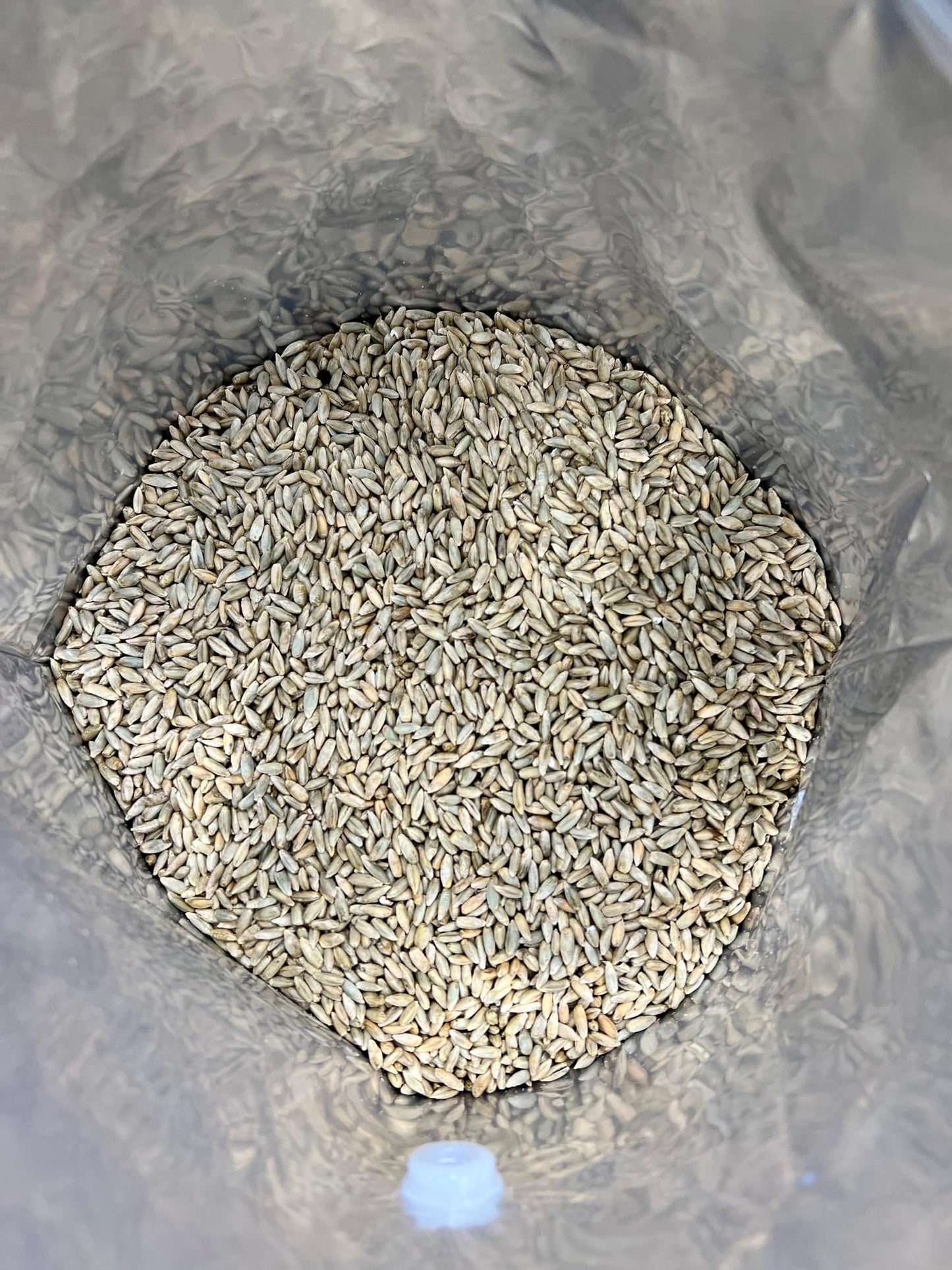
View compareRye Berries For Mushroom Spawn - Organic, Triple Washed Rye Grain To Make Mushroom Grainspawn By Mycology Basics - 5 Lbs
Rye Berries For Mushroom Spawn - Organic, Triple Washed Rye Grain To Make Mushroom Grainspawn By Mycology Basics - 5 Lbs
Out of stock
Regular price
$27.57
Sale price
$27.57
Regular price
$39.39
Unit price
per
Shipping calculated at checkout.
Sold by GroceryeShop — Fresh & quality products, delivered in USA.
Returns accepted within 30 days | support@groceryeshop.us
Shipping Information
- Free Standard Shipping — United States only
- Processing Time: 3–5 business days
- Estimated Delivery: 6–10 business days after dispatch
- Securely packed to ensure your purchase arrives in perfect condition
- Tracking number sent via email once dispatched
- Orders over $250 require signature upon delivery. Taxes calculated at checkout.
Returns & Refund
Returns accepted within 30 days of delivery.
Damaged or Defective Item
Free return shipping + replacement or full refund
Wrong Item Received
Free return shipping + replacement or full refund
Change of Mind
Return shipping at customer's expense · Item must be unused & in original packaging
All returns require a Return Authorization (RA) number before sending.
View Full Return & Refund Policy
Safety & Compliance
⚠️
California Proposition 65 Warning
Some products sold on this website may expose you to chemicals known to the State of California to cause cancer, birth defects, or other reproductive harm.
www.P65Warnings.ca.gov
🛒
General Product Safety Advisory
Always read the product label, instructions, and safety warnings before use. Do not use damaged or modified products. Store products in appropriate conditions as specified by the manufacturer.
Keep all products out of reach of children unless specifically designed for their use.
ℹ️
Product Authenticity & Notice
All products sold by GroceryeShop are 100% authentic, sourced directly from trusted suppliers across the USA. Product weights and packaging may vary slightly from images due to seasonal availability and supplier updates.
GroceryeShop — Fresh, Quality Groceries Delivered Nationwide.
Couldn't load pickup availability
Guarantee safe and secure checkout


Product Description
Mycology Basics Rye Berries Are The Cleanest Rye Grain You Can Buy, And It'S Not Even Close. This Is Because Our Rye Is Washed, Washed And Washed Again. Triple Washing Rye Allows For More Errant Seeds, Stalks, Dust & Debris To Be Removed. Not Only This, But Our Rye Is Grown Organically & Regeneratively - Meaning It Has A Higher Protien Content, Better Flavor Profile And A Higher Hydrated Weight Than Other Rye Farmed Non-Organically. Whether You'Re Hydrating Your Rye To Use As Grainspawn, Milling It To Use As Flour, Or Creating A Rye Mash To Distil Your Own Spirits, You'Ll Be Happy Much Happier With Our Clean Rye.
Frequently Asked Questions
- Q: What is the weight of the Rye Berries? A: The Rye Berries weigh five pounds. This size is ideal for various mycological uses and cooking applications.
- Q: Are the Rye Berries organic? A: Yes, the Rye Berries are certified organic. They are grown using regenerative farming practices, ensuring high nutrient density.
- Q: How is the Rye Berries packaging designed? A: The packaging is resealable. This feature allows for convenient storage and maintains freshness after opening.
- Q: How do I use Rye Berries for mushroom cultivation? A: To use Rye Berries, first hydrate them in water. After soaking, they can be sterilized and inoculated with mushroom spores.
- Q: Can I use Rye Berries for making flour? A: Yes, you can mill Rye Berries to make flour. This flour is suitable for baking and cooking, providing rich flavor.
- Q: What is the best method to prepare Rye Berries for distilling spirits? A: To prepare for distilling, hydrate and mash the Rye Berries. Follow this with fermentation, which is essential for spirit production.
- Q: How should I store the Rye Berries? A: Store the Rye Berries in a cool, dry place. Keep them in their resealable bag to maintain quality and prevent contamination.
- Q: What is the shelf life of the Rye Berries? A: The shelf life is typically one year if stored properly. Ensure the bag is sealed after each use to maximize freshness.
- Q: Are there any allergens in the Rye Berries? A: No, the Rye Berries do not contain common allergens. They are non-GMO and free from additives.
- Q: Can I use Rye Berries for gluten-free recipes? A: No, Rye Berries are not gluten-free. They contain gluten and are unsuitable for individuals with gluten sensitivities.
- Q: How do the Rye Berries compare to other grains? A: The Rye Berries are cleaner and have a higher protein content compared to other grains. They are preferred for mycological purposes.
- Q: Are the Rye Berries suitable for beginners in mycology? A: Yes, they are suitable for beginners. Their clean nature makes them easy to work with and reduces contamination risks.
- Q: What if the Rye Berries arrive damaged? A: If the Rye Berries arrive damaged, contact customer support for a replacement. Always inspect the package upon delivery.
- Q: How do I know if the Rye Berries are fresh? A: Fresh Rye Berries should have a clean, earthy smell. Check the packaging date for assurance of quality.
- Q: Can I compost the Rye Berries after use? A: Yes, you can compost used Rye Berries. They are organic and will break down naturally, enriching your compost.