


You will not be allowed to compare more than 4 products at a time
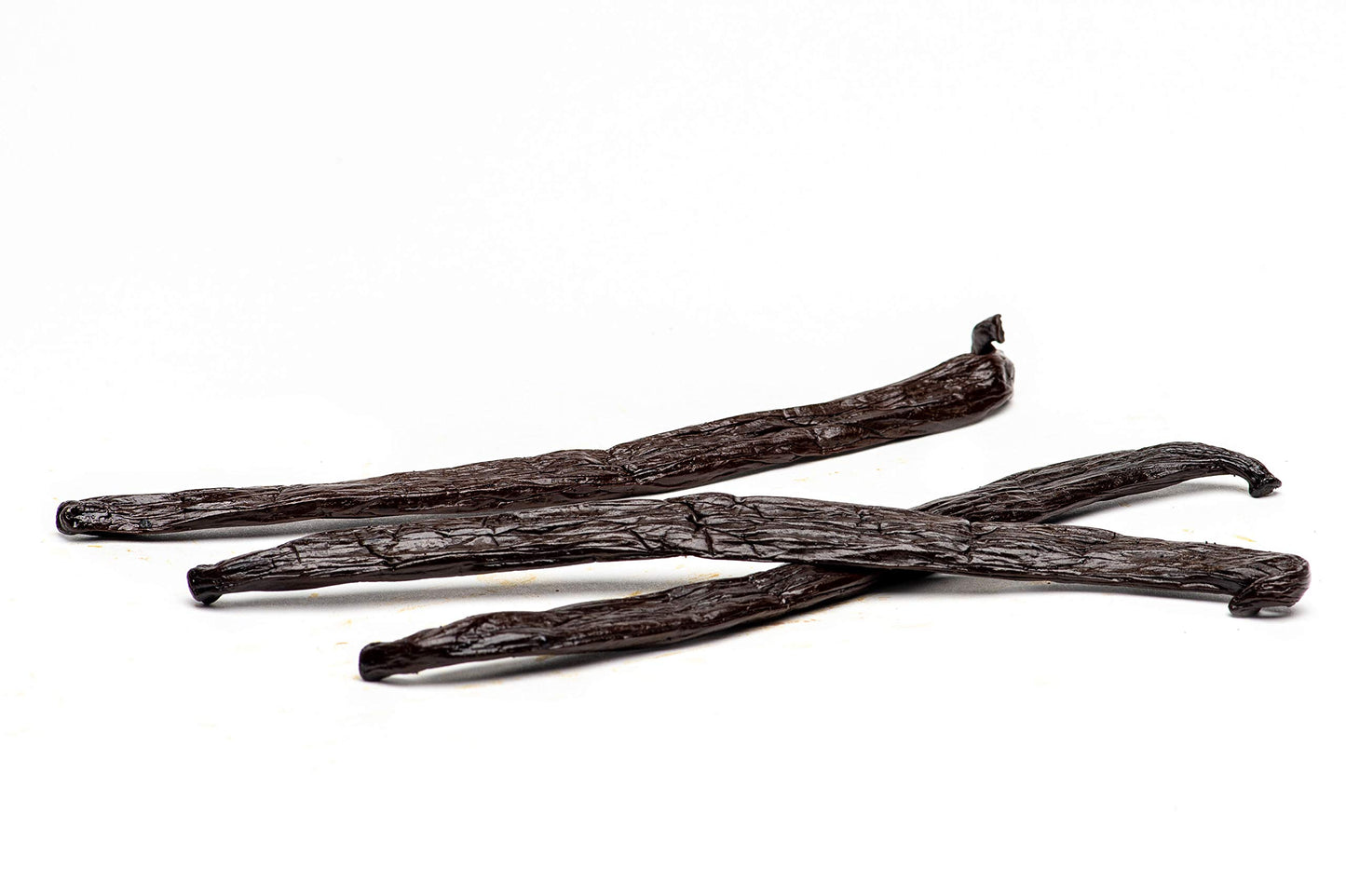
View compareSlofoodgroup - Gourmet Vanilla From Tahiti - Real Tahitian Vanilla Bean Pods - 6 Count - For Cooking, Baking, And Vanilla Extrac
Slofoodgroup - Gourmet Vanilla From Tahiti - Real Tahitian Vanilla Bean Pods - 6 Count - For Cooking, Baking, And Vanilla Extrac
Out of stock
Regular price
$44.72
Sale price
$44.72
Regular price
$63.89
Unit price
per
Shipping calculated at checkout.
Sold by GroceryeShop — Fresh & quality products, delivered in USA.
Returns accepted within 30 days | support@groceryeshop.us
Shipping Information
- Free Standard Shipping — United States only
- Processing Time: 3–5 business days
- Estimated Delivery: 6–10 business days after dispatch
- Securely packed to ensure your purchase arrives in perfect condition
- Tracking number sent via email once dispatched
- Orders over $250 require signature upon delivery. Taxes calculated at checkout.
Returns & Refund
Returns accepted within 30 days of delivery.
Damaged or Defective Item
Free return shipping + replacement or full refund
Wrong Item Received
Free return shipping + replacement or full refund
Change of Mind
Return shipping at customer's expense · Item must be unused & in original packaging
All returns require a Return Authorization (RA) number before sending.
View Full Return & Refund Policy
Safety & Compliance
⚠️
California Proposition 65 Warning
Some products sold on this website may expose you to chemicals known to the State of California to cause cancer, birth defects, or other reproductive harm.
www.P65Warnings.ca.gov
🛒
General Product Safety Advisory
Always read the product label, instructions, and safety warnings before use. Do not use damaged or modified products. Store products in appropriate conditions as specified by the manufacturer.
Keep all products out of reach of children unless specifically designed for their use.
ℹ️
Product Authenticity & Notice
All products sold by GroceryeShop are 100% authentic, sourced directly from trusted suppliers across the USA. Product weights and packaging may vary slightly from images due to seasonal availability and supplier updates.
GroceryeShop — Fresh, Quality Groceries Delivered Nationwide.
Couldn't load pickup availability
Guarantee safe and secure checkout


Product Description
Real Tahitian Vanilla Beans From The Islands Of Tahiti Are A Vanilla Lovers Dream And Authentic Tahitian Treat That Cannot Be Duplicated Elsewhere. These Soft, Supple And Plump Vanilla Beans Are Just Waiting To Be Enjoyed In Your Cooking And Baking. Slofoodgroup Tahitian Vanilla Beans Are Grade A And Considered The Worlds Rarest And Most Valuable Vanilla. These Vanilla Bean Pods Are Distinguishably Different Than The Tahitian Type Of Vanilla Beans Grown And Produced From Indonesia And Papua New Guinea. While Authentic Vanilla From Tahiti Is Delicate Floral Aroma With Caramel, Star Anise, And Cherry Undertones Its Moisture Content Is Much Higher Than Any Variety Or Origin Of Vanilla. Real Tahitian Vanilla Beans Have An Average Size 5-5.5 In And Ample Amounts Of Vanilla Bean Caviar. Experience Authentic Vanilla From Tahiti, The Ultimate Gourmet Vanilla Beans Often Referred To As The Queen Of Vanilla And Preferred By High-End Pastry Chefs Around The World.
Frequently Asked Questions
- Q: What size are the Tahitian vanilla bean pods? A: The vanilla bean pods are approximately five to five and a half inches long. This size is ideal for maximizing flavor in culinary applications.
- Q: How many vanilla beans are included in the package? A: There are six vanilla bean pods included in each package. This quantity is perfect for various cooking and baking needs.
- Q: What is the moisture content of these vanilla beans? A: The moisture content is between fifty to fifty-five percent. This higher moisture level contributes to the plumpness and aromatic qualities of the beans.
- Q: How can I use Tahitian vanilla beans in cooking? A: You can use these vanilla beans for baking, making syrups, and creating vanilla extract. They are also excellent for enhancing flavors in desserts and savory dishes.
- Q: Are these vanilla beans suitable for making vanilla extract? A: Yes, these beans are perfect for making vanilla extract. Their rich flavor profile enhances the quality of the extract significantly.
- Q: Can I use these vanilla beans in cosmetics or perfumes? A: Yes, Tahitian vanilla is often used in cosmetics and perfumes due to its complex floral aroma. This versatility makes it a favorite among artisans.
- Q: How should I store the vanilla beans? A: Store the vanilla beans in a tightly sealed glass jar or wax paper. This ensures their freshness and preserves their aromatic qualities.
- Q: What is the best way to clean vanilla beans before use? A: To clean the beans, snip the end with a knife and gently squeeze upward to extract the caviar. This method is effective for maximizing flavor.
- Q: Do Tahitian vanilla beans have a long shelf life? A: Yes, when stored properly, Tahitian vanilla beans have a long shelf life. Their high quality allows them to maintain flavor over time.
- Q: Can I reuse the empty vanilla pods after extracting the seeds? A: Yes, you can reuse the empty vanilla pods. They can be utilized for making vanilla sugar or infused in other products.
- Q: How do Tahitian vanilla beans compare to other types of vanilla? A: Tahitian vanilla beans are generally more aromatic and flavorful compared to other varieties, such as those from Indonesia or Papua New Guinea.
- Q: Are these vanilla beans a good choice for professional chefs? A: Yes, these gourmet-grade Tahitian vanilla beans are preferred by high-end pastry chefs worldwide. Their unique flavor makes them an excellent choice for gourmet applications.
- Q: Is there a difference between Tahitian and Madagascar vanilla? A: Yes, Tahitian vanilla has a floral and fruity aroma, while Madagascar vanilla is more rich and creamy. This difference affects their culinary uses.
- Q: Do these vanilla beans contain any additives or preservatives? A: No, these Tahitian vanilla beans are pure and contain no additives or preservatives. They are all-natural and of the highest quality.
- Q: Are these vanilla beans ethically sourced? A: Yes, Slofoodgroup sources their Tahitian vanilla beans ethically, ensuring sustainable farming practices and fair treatment of growers.