


You will not be allowed to compare more than 4 products at a time
View compareWhite Sesame Seeds 14Oz Bag - Natural, Raw, Hulled - By Spicy World
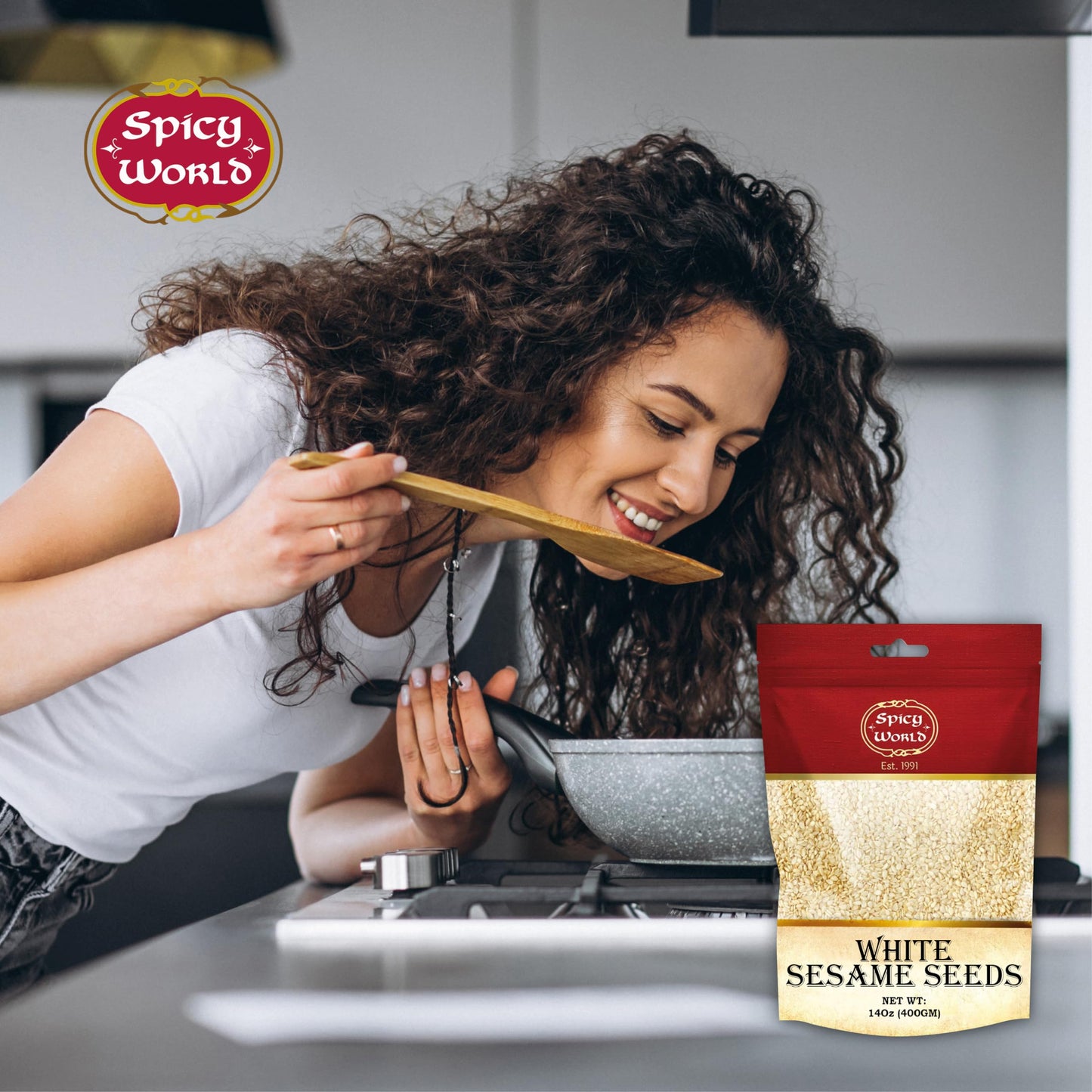
White Sesame Seeds 14Oz Bag - Natural, Raw, Hulled - By Spicy World
Out of stock
Regular price
$14.46
Sale price
$14.46
Regular price
$20.66
Unit price
per
Shipping calculated at checkout.
Sold by GroceryeShop — Fresh & quality products, delivered in USA.
Returns accepted within 30 days | support@groceryeshop.us
Shipping Information
- Free Standard Shipping — United States only
- Processing Time: 3–5 business days
- Estimated Delivery: 6–10 business days after dispatch
- Securely packed to ensure your purchase arrives in perfect condition
- Tracking number sent via email once dispatched
- Orders over $250 require signature upon delivery. Taxes calculated at checkout.
Returns & Refund
Returns accepted within 30 days of delivery.
Damaged or Defective Item
Free return shipping + replacement or full refund
Wrong Item Received
Free return shipping + replacement or full refund
Change of Mind
Return shipping at customer's expense · Item must be unused & in original packaging
All returns require a Return Authorization (RA) number before sending.
View Full Return & Refund Policy
Safety & Compliance
⚠️
California Proposition 65 Warning
Some products sold on this website may expose you to chemicals known to the State of California to cause cancer, birth defects, or other reproductive harm.
www.P65Warnings.ca.gov
🛒
General Product Safety Advisory
Always read the product label, instructions, and safety warnings before use. Do not use damaged or modified products. Store products in appropriate conditions as specified by the manufacturer.
Keep all products out of reach of children unless specifically designed for their use.
ℹ️
Product Authenticity & Notice
All products sold by GroceryeShop are 100% authentic, sourced directly from trusted suppliers across the USA. Product weights and packaging may vary slightly from images due to seasonal availability and supplier updates.
GroceryeShop — Fresh, Quality Groceries Delivered Nationwide.
Couldn't load pickup availability
Guarantee safe and secure checkout


Product Description
The scientific name of these white sesame seeds is Sesamum indicum. They are mostly used in the Middle Eastern, Asian, Mediterranean, and northern African cooking. The names vary like juljulan in Arabic, zi mah in Mandarin, "till" in French, sesam in German, gingili or til Hindi, goma in Japanese, gergelim in Portuguese, kunzhut in Russian, and ajonjoli in Spanish.
Frequently Asked Questions
- Q: What is the size of the White Sesame Seeds package? A: The package contains fourteen ounces of white sesame seeds. This size is suitable for both casual and frequent cooking needs.
- Q: Are the ingredients in the White Sesame Seeds natural? A: Yes, the white sesame seeds are one hundred percent natural and raw. They contain no added preservatives or additives.
- Q: What is the scientific name of white sesame seeds? A: The scientific name is Sesamum indicum. This plant is cultivated for its edible seeds, which are popular in various cuisines.
- Q: How can I use white sesame seeds in cooking? A: You can use white sesame seeds in a variety of dishes, including Asian foods and baked items. They enhance the flavor of bagels, cookies, and bread.
- Q: Can I make tahini from white sesame seeds? A: Yes, you can make tahini paste from white sesame seeds. It is a popular ingredient in many Middle Eastern dishes.
- Q: What types of dishes are best suited for white sesame seeds? A: White sesame seeds are ideal for loaf breads and baked items. They provide a nutty flavor and appealing visuals.
- Q: How should I store white sesame seeds? A: Store white sesame seeds in a cool, dry place. This helps maintain their freshness and prevents spoilage.
- Q: Do white sesame seeds have a long shelf life? A: Yes, when stored properly, white sesame seeds can last for several months. Keep them in an airtight container to maximize freshness.
- Q: Are there any allergens in white sesame seeds? A: Yes, sesame seeds can be allergenic for some individuals. It’s important to check for allergies before consumption.
- Q: How do white sesame seeds compare to black sesame seeds? A: Both types have similar flavors, but visually, white sesame is often preferred for baking, while black is favored for flatbreads.
- Q: Can I use white sesame seeds in salad recipes? A: Yes, white sesame seeds can add flavor and crunch to salads. They complement various greens and dressings well.
- Q: What is the flavor profile of white sesame seeds? A: White sesame seeds have a nutty flavor with a pleasant, mild aroma. They enhance both sweet and savory dishes.
- Q: Is the packaging of the White Sesame Seeds recyclable? A: Yes, the packaging is typically recyclable. Check local guidelines for proper disposal methods.
- Q: Can I toast white sesame seeds before using them? A: Yes, toasting white sesame seeds can enhance their nutty flavor. Just be cautious not to burn them.
- Q: Are white sesame seeds suitable for vegan diets? A: Yes, white sesame seeds are suitable for vegan diets. They are a plant-based source of nutrition.